

Structural Inspection Before SPP Installation: What an Engineer Must Check
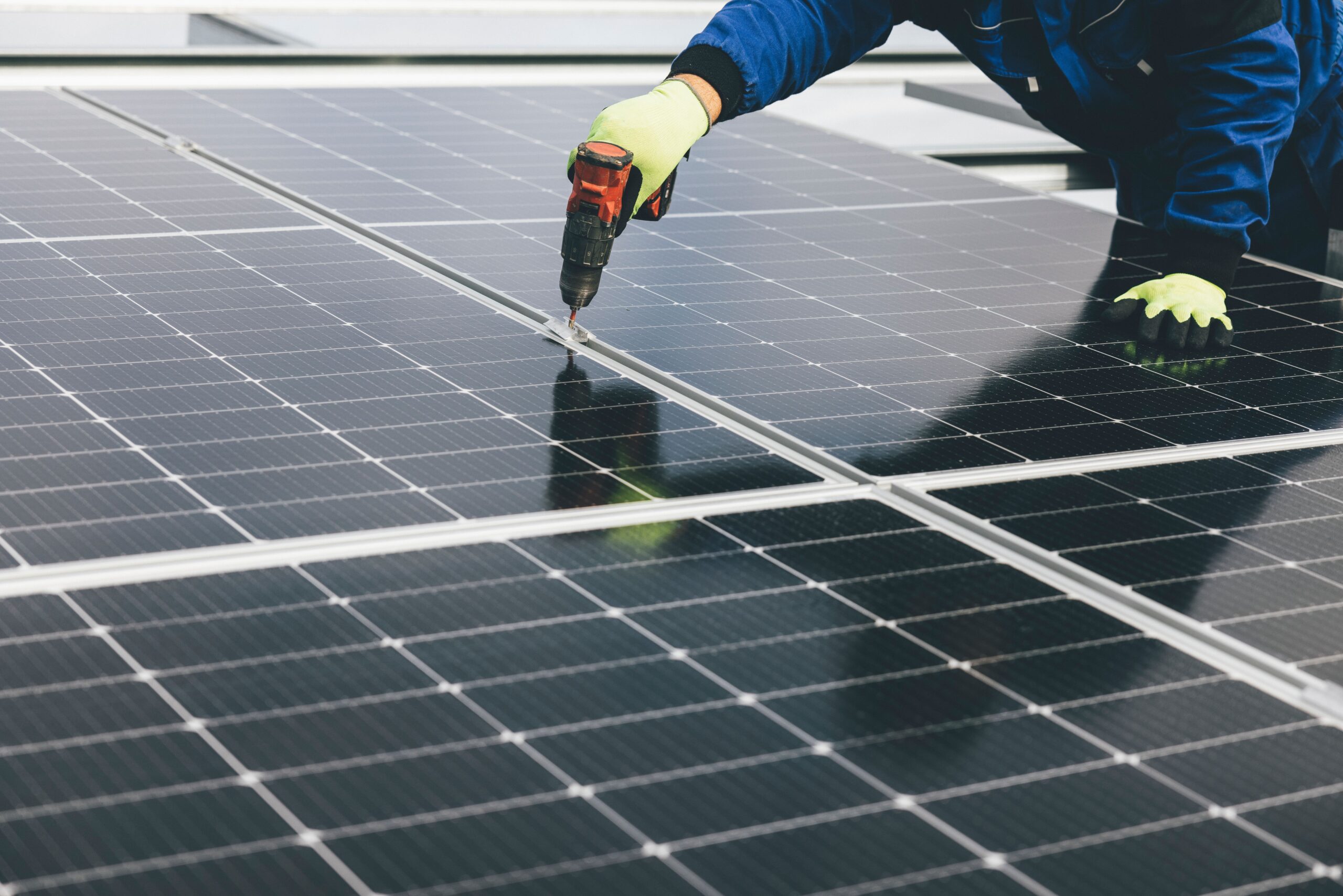
Installing a solar power plant (SPP) on a roof is not just purchasing panels and mounting them. It is an engineering solution that creates an additional load on the building’s load-bearing structures. According to building codes, such work is considered an intervention in the object’s structural scheme, which affects its strength, stability, and, consequently, safety. That is why structural inspection before SPP installation is not just a recommendation but a mandatory condition for legal and safe equipment installation, especially for businesses and apartment buildings.What Changed in 2026: Procedure Simplification and New Requirements
Until recently, installing an SPP on a roof required a full cycle of permit procedures: project development, notification of construction commencement, declaration of readiness, and certification. However, Cabinet of Ministers Resolution No. 77 of January 28, 2026, radically simplified this process. The installation of solar panels on roofs and facades is exempt from any permit or registration procedures in construction. However, simplification does not mean a lack of control. Instead of a permit package, one key document is now required — a report on the technical inspection of the building. This document confirms that load-bearing structures (roof, floor slabs, facade) will withstand the additional load from solar panels. For private, garden, and summer houses, the inspection is carried out at the owner’s discretion, but for apartment buildings, condominiums (OSBB), and legal entities, it is mandatory.What Exactly Does the Engineer Check During Structural Inspection
Professional structural inspection before SPP installation is a comprehensive procedure conducted in accordance with DSTU 9273:2024 “Guideline for the inspection of buildings and structures to determine and evaluate their technical condition.” Engineers from GlobalBud Ukraine perform a systematic check that includes several key stages:- Assessment of roof load-bearing capacity — specialists check the strength and stability of structures to ensure they can withstand the weight of solar panels and mounts. Basic load-bearing elements are analyzed: rafter system, beams, floor slabs, trusses.
- Analysis of roofing material and condition — type of roofing material (metal, tile, slate, bitumen, etc.), its age, and physical state are assessed. An old roof may require repair or replacement before panel installation.
- Study of roof pitch and orientation — this affects the solar system’s efficiency. The ideal position for panels is with maximum southern orientation at an angle corresponding to the location’s geographic coordinates.
- Waterproofing check — evaluating whether panel installation will harm roof watertightness and what measures are necessary to maintain it.
- Wind load calculation — solar panels create additional wind resistance, so it is necessary to calculate whether the roof will withstand the increased loads.
Load Calculation: What the Engineer Considers
A key element of the inspection is calculating the total load on the structures. Engineers consider several components:- Dead weight of solar panels — the specific load is approximately 12–15 kg/m².
- Weight of mounting profiles, fasteners, and cable trays.
- Ballast for flat roofs (if applied).
- Snow load — determined in accordance with DBN V.1.2-2:2006 “Loads and Influences”. For different regions of Ukraine, limit values are established: south — ≈ 80–90 kg/m², central regions — ≈ 120–150 kg/m².
- Wind load — calculated according to the same standards.
Frequently Asked Questions
Is structural inspection mandatory for a private house? For private, garden, and summer houses, inspection is not mandatory by law. However, experts recommend conducting it to ensure structural safety and avoid potential future problems. How long does structural inspection before SPP installation take? The duration depends on the roof area, structural complexity, and the scope of necessary research. On average, a visual and instrumental inspection takes from 2 to 4 hours, and the preparation of a technical conclusion takes up to 3 working days.Conclusion
Structural inspection before SPP installation is not a formality, but a necessary stage that guarantees the safe operation of your solar power plant. It allows identifying hidden defects, correctly calculating loads, and obtaining an official technical conclusion necessary for the legal installation of an SPP.Need an initial consultation?
We will help solve the issue within as little as 1 day