


Will the roof support solar panels: load calculation and risks
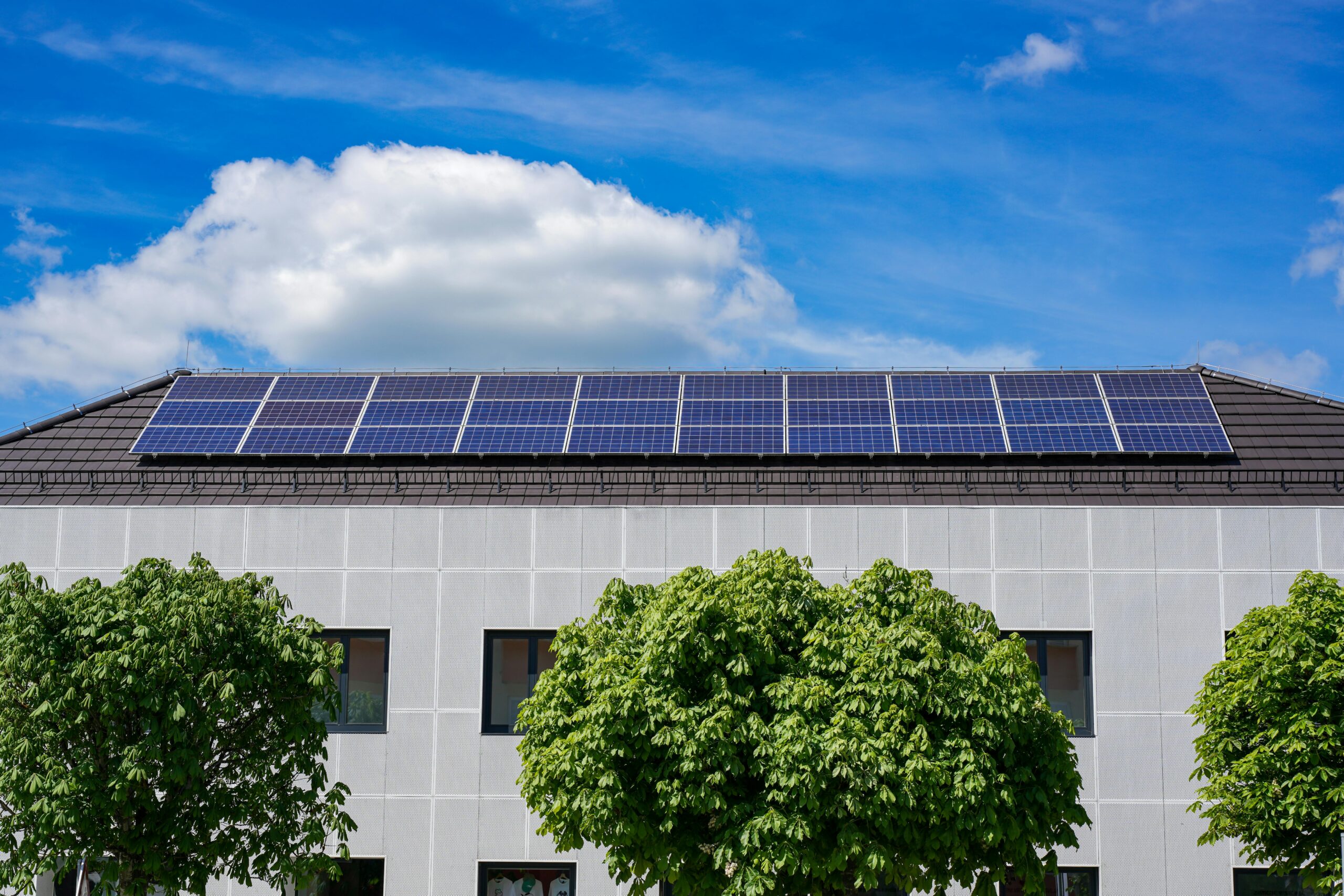
Before installing a solar power plant, it is important to answer the key question: will the roof support solar panels. Even if photovoltaic modules seem lightweight, the structure is additionally affected by mounting systems, ballast, snow loads and wind loads. Without an engineering calculation, PV installation may create risks for the roof covering, load-bearing structures and the operational safety of the building.
What loads solar panels create on the roof
When designing a solar power system, engineers consider not only the weight of the panels themselves. The total load consists of several components:
- self-weight of the solar modules;
- weight of mounting profiles, fasteners and cable routes;
- ballast for flat roofs;
- snow load;
- wind load;
- additional operational loads during installation and maintenance.
For pitched roofs, the condition of the rafter system, roofing material and attachment points is critical. For flat roofs, the ballast system is particularly important, as it can significantly increase the load on the floor slab.
Load calculation for solar panels
The calculation of the solar power system load on the roof is performed by a structural engineer. In general, the following factors are taken into account:
- The area where the panels will be installed.
- The weight of photovoltaic modules.
- The weight of the mounting system.
- The fastening or ballast scheme.
- Design snow and wind loads for the relevant region.
- The actual technical condition of the load-bearing structures.
As a rough estimate, one solar panel may weigh 20–30 kg, but the final conclusion is not made based on the weight of a single module. It is based on the total load per square metre of roof and the ability of the structures to safely withstand it.
Would you like to know the cost of services
for your situation?
Call a consultant
Why roof area alone is not enough
A common mistake is to assume that if there is enough space on the roof, a solar power system can be installed without additional checks. In reality, the roof’s load-bearing capacity depends on:
- the type of building;
- the year of construction;
- the floor slab material;
- the condition of steel or reinforced concrete structures;
- the presence of corrosion, cracks or deflections;
- previous repairs or alterations;
- the actual condition of the roofing layer.
Particular caution is required for industrial, warehouse, retail and old administrative buildings.
Main risks of installing a solar power system without inspection
If the roof is not inspected before installing solar panels, the following problems may arise:
- overloading of floor slabs or the rafter system;
- deformation of steel trusses;
- damage to waterproofing;
- roof leaks;
- detachment of structures in strong winds;
- refusal to approve project documentation;
- the need for dismantling or strengthening after installation.
For businesses, this means not only technical risks but also financial losses: suspension of facility operations, additional repair costs and possible claims from tenants or regulatory authorities.
When a technical roof inspection is required for a solar power system
A technical roof inspection before installing solar panels is necessary if:
- the building has been in operation for many years;
- design or as-built documentation is unavailable;
- a large commercial solar power system is planned;
- the roof shows signs of wear;
- engineering equipment is already installed on the roof;
- the installation changes the load on load-bearing structures;
- an expert review must be passed or project documentation must be prepared.
The inspection is carried out with due regard to the requirements of the Law of Ukraine “On Regulation of Urban Development Activities”, the Law of Ukraine “On Architectural Activity”, Ukrainian building codes on loads and actions, as well as standards governing the reliability and safety of building structures.
Would you like to know the cost of services
for your situation?
Call a consultant
What a roof inspection before PV installation includes
A professional inspection usually includes:
- analysis of available technical documentation;
- visual inspection of the roof and load-bearing structures;
- recording of defects;
- instrumental measurements;
- checking deflections and deformations;
- assessment of corrosion of metal elements;
- calculation of load-bearing capacity;
- recommendations on possible strengthening.
The result is a technical report or conclusion that may be used for further solar power system design, expert review and decision-making regarding safe installation.
Checklist: how to understand that the roof needs to be inspected
Before installing solar panels, it is worth asking the following questions:
- Is there design documentation for the building?
- Are the permissible roof loads known?
- Are there cracks, deflections or leaks?
- Have reconstructions or repairs been carried out?
- Is any other equipment installed on the roof?
- Does the roof correspond to the future panel mounting scheme?
If there is no precise answer to at least one of these questions, it is advisable to order a technical inspection of buildings and structures.
Can a roof be strengthened for solar panels?
Yes, in many cases the roof can be prepared for the installation of a solar power system. Based on the inspection results, an engineer may recommend:
- strengthening of steel trusses;
- repair or replacement of individual elements of the rafter system;
- restoration of the protective coating of metal;
- repair of waterproofing;
- changing the panel layout scheme;
- reducing ballast or using another type of fastening.
Such decisions should be made before installation, not after defects appear.
Conclusion
The answer to the question will the roof support solar panels cannot be given based only on the roof area or the number of modules. An engineering load calculation, analysis of the technical condition of the structures and a professional conclusion are required.
GlobalBud Ukraine performs technical roof inspections, load-bearing capacity calculations, and design and legal support for solar power system installation. The company works with private clients, businesses, industrial facilities and international companies, providing comprehensive turnkey solutions.