

Commissioning of Real Estate Properties
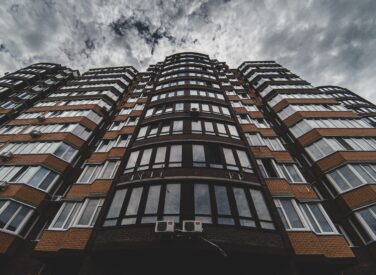
Commissioning of real estate properties is a mandatory completion stage of construction, upon which the property acquires the status of having been lawfully created and may be registered in the State Register of Real Property Rights. Without commissioning, it is not possible to formalize title (ownership), connect engineering/utility networks, or carry out full-fledged business operations.
The procedure is governed by the Law of Ukraine “On Regulation of Urban Development Activities”, the Law of Ukraine “On Architectural Activity”, the applicable DBN (Ukrainian building codes), and relevant subordinate regulations.
In this article, we outline the commissioning procedure in 2026, the required documentation, and typical mistakes made by developers.
What commissioning of a property means
Commissioning is an official confirmation by the state that:
-
construction works have been performed in accordance with the design (project) documentation;
-
the property complies with applicable building standards;
-
the urban planning conditions and restrictions have been complied with;
-
technical safety has been ensured.
Upon completion of the procedure, the customer (developer) receives a document that serves as the basis for state registration of ownership rights.
Would you like to know the service cost
for your specific case?
Call a consultant
Which properties are subject to commissioning
The procedure depends on the consequence class (СС1, СС2, СС3):
-
individual residential houses;
-
multi-apartment residential complexes;
-
commercial properties (offices, shopping malls, warehouses);
-
manufacturing and industrial buildings;
-
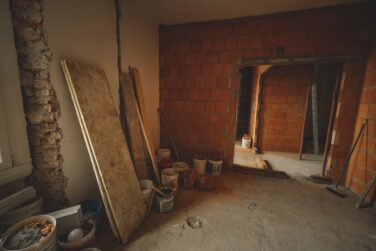
reconstructed or capital-repaired properties.
Before initiating the procedure, it is recommended to carry out “Technical inventory of the real estate property” (gbu.kyiv.ua) to verify that the as-built parameters correspond to the design documentation.
Commissioning procedure in 2026
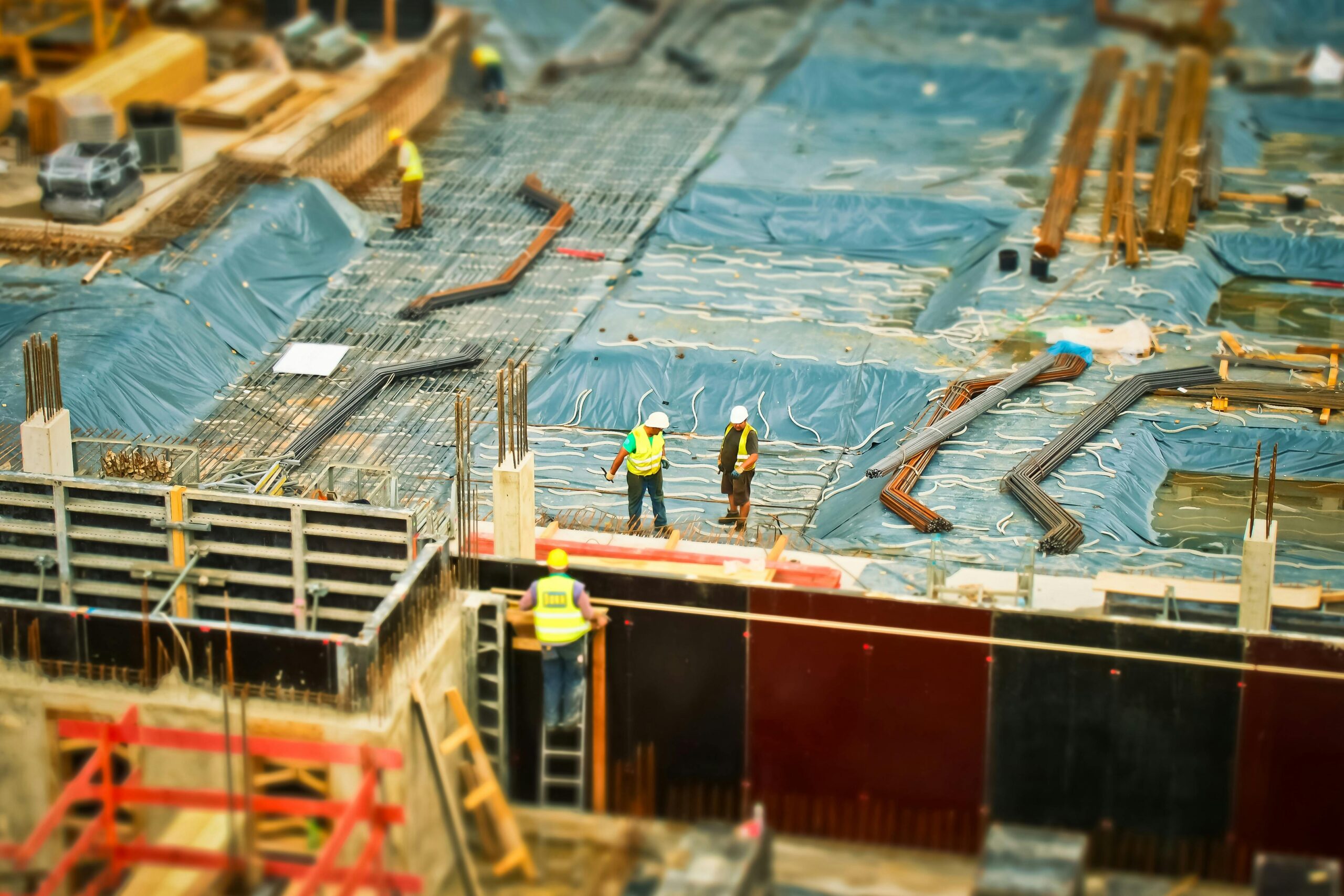
1. Completion of construction works
Construction must be performed in accordance with:
-
the design (project) documentation;
-
the permit to perform construction works;
-
the requirements of DBN;
-
the technical conditions for connection to networks.
Any deviations from the approved design may serve as grounds for refusal to commission the property.
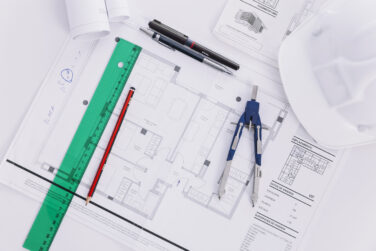
2. Preparation of as-built (executive) documentation
A documentation package is prepared, which includes:
-
as-built drawings/schemes;
-
hidden works certificates;
-
materials compliance certificates;
-
a technical passport;
-
a technical supervision report.
3. Submission of documents via the electronic system
In 2026, the procedure is largely digitized. Documents are submitted through the electronic construction-sector system.
Depending on the consequence class:
-
for CC1 — a declaration of the property’s readiness is registered;
-
for CC2 and CC3 — a commissioning certificate is issued.
4. Obtaining confirmation of acceptance
After the authorized body reviews the documents, the property is deemed commissioned.
Thereafter, “State registration of ownership rights” may be carried out
Would you like to know the service cost
for your specific case?
Call a consultant
Commissioning timeframes
Average timeframe:
-
10–15 business days — for CC1;
-
up to 30 business days — for CC2 and CC3.
If comments/deficiencies are identified, the procedure may be suspended.
Typical grounds for refusal
-
Deviations from the approved design solutions.
-
Absence of a technical passport.
-
Non-compliance with urban planning conditions.
-
An incomplete set of documents.
-
Detection of unauthorized construction.
In complex cases, prior “Legalization of unauthorized construction” (gbu.kyiv.ua) may be required.
Specifics of commissioning after reconstruction
Reconstruction involving changes to technical and economic indicators also requires commissioning. Particular attention should be paid to:
-
changes in floor area;
-
additional floors (vertical extension);
-
changes in functional purpose;
-
replanning involving interference with load-bearing structures.
Frequently Asked Questions
Can a building be used without commissioning?
No. Using a property without commissioning constitutes a violation of applicable law and may result in administrative penalties.
Does a private house need to be commissioned?
Yes, if it was constructed based on a notification or a permit to perform construction works.
Is it possible to commission a property that was previously built without a permit?
Yes, but the procedure is significantly more complex and requires additional legal support.
Practical case
The customer completed construction of a CC2-class office center. During preparation for commissioning, a discrepancy was identified between the actual floor area and the design floor area.
After amending the design documentation, repeating the technical inventory, and properly formalizing the as-built documentation, the property successfully obtained the commissioning certificate.
Conclusions
Commissioning of real estate properties in 2026 is a key stage of completing construction, requiring strict compliance with applicable law and building standards.
The company GlobalBud Ukraine provides comprehensive support: from analyzing permitting documentation to obtaining the commissioning certificate and registering ownership rights. We provide turnkey services for individuals and legal entities, including international companies, ensuring risk minimization and compliance with statutory requirements.
Contact GlobalBud Ukraine to ensure the lawful commissioning of your property without delays or financial losses.