


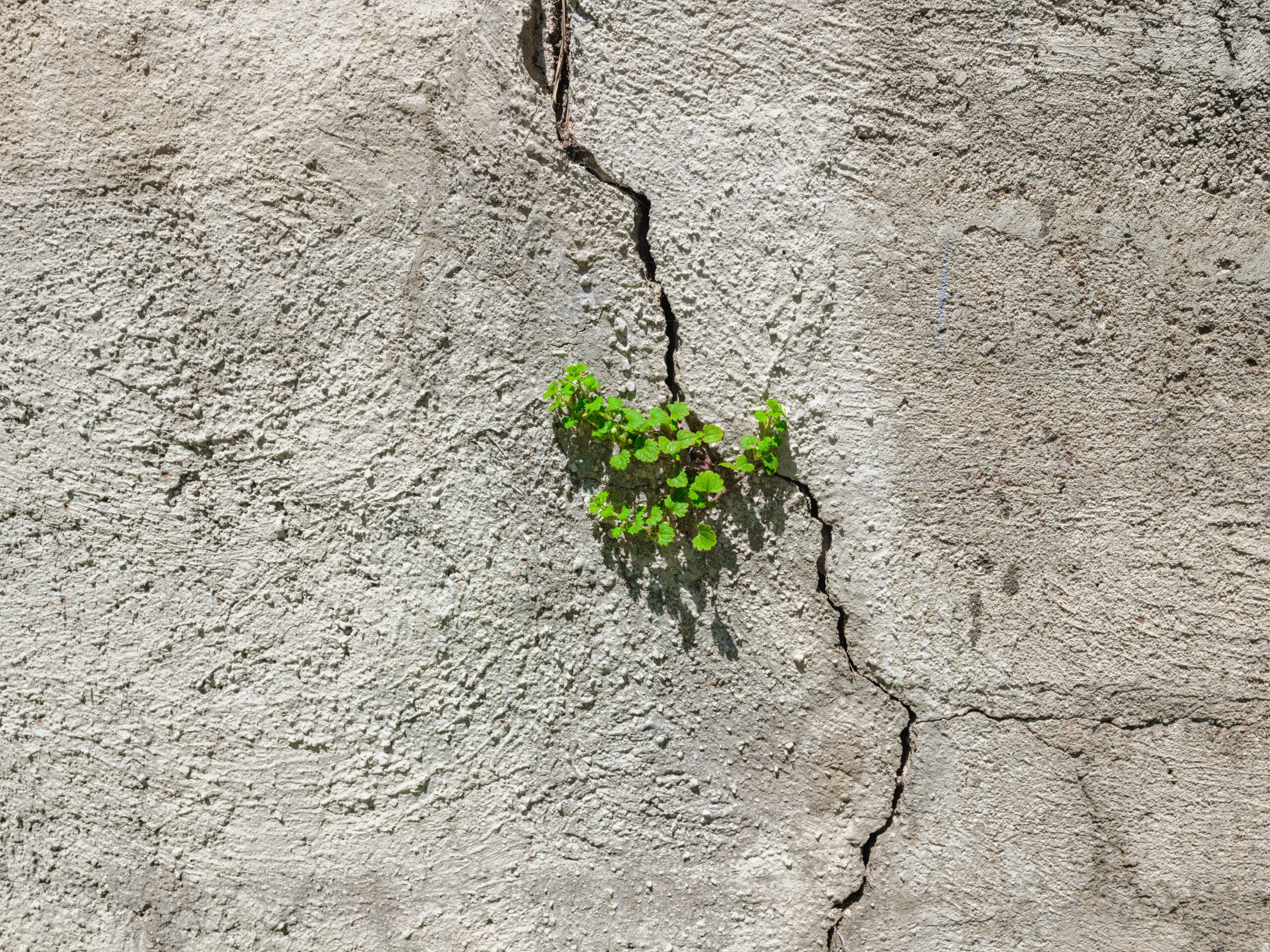
Vertical Cracks in Building Walls: Is It Dangerous and How Should an Owner Act?
Vertical cracks in walls are arguably the most common type of building defect that property owners face across Ukraine. You might notice them on the facade of an old brick house in the city center, on the plaster of a brand-new cottage, or on the walls of an industrial warehouse. Often, people panic upon seeing a long crack from ceiling to floor, fearing inevitable collapse. However, experts from GlobalBud Ukraine assure that not every vertical crack is a harbinger of catastrophe, although they certainly should not be ignored. To understand the level of threat, a professional and measured engineering approach is required.
Main Causes of Vertical Ruptures
Unlike horizontal cracks, which arise from high pressure or overloading, vertical cracks usually form due to material stretching. Essentially, different parts of the wall are literally “pulling apart.” Why does this happen given Ukraine’s climate and geology?
- Natural settlement of new buildings. Every new house settles during the first 2-3 years. Concrete, mortar, and the soil beneath the foundation adapt to loads. This often causes the appearance of thin (hairline) vertical microcracks that do not pose a structural threat.
- Uneven foundation settlement. This is the most serious cause. If one part of the house stands on firm soil and another (e.g., an addition) sits on saturated soil, the foundation settles asymmetrically. The wall tears vertically or at a slight angle.
- Temperature fluctuations. If a long building lacks expansion joints, materials will contract in winter and expand in summer. The wall cannot withstand this stress and “finds” a weak point, where a vertical crack forms.
- External dynamic impacts. Heavy traffic nearby, vibrations from subway or high-rise construction, as well as seismic events or blast waves, can disrupt the integrity of masonry.
When a Vertical Crack is a Critical Threat
How can an owner know when it’s time to sound the alarm? Specialists in building inspection recommend paying attention to several danger markers. A crack is considered critical if:
- Its width exceeds 2-3 mm, and you see that it continues to grow (widen).
- The crack is through-wall, meaning it pierces the wall entirely and is visible both from the street and inside the premises.
- The fracture runs from the very top of the building, crosses the plinth, and descends directly into the foundation.
- The edges of the crack are vertically offset from one another (one part of the wall is lower than the other).
In such cases, the object requires immediate diagnostics to avoid an emergency situation.
Professional Building Inspection from GlobalBud Ukraine
To accurately determine the cause and develop an effective structural reinforcement project (e.g., crack injection, wall bracing with metal frames, or foundation reinforcement with micropiles), we conduct a comprehensive audit. Our engineers install plate or electronic tell-tales (crack monitors), which show with tenth-of-a-millimeter accuracy whether the wall movement is continuing. After conducting instrumental measurements and soil analysis, we issue an official technical report. It contains not just the statement of fact, but a step-by-step algorithm to save your building. You can see the list of all diagnostic types on our page for structural inspection services.
Frequently Asked Questions (FAQ)
Why did a crack appear from ceiling to floor in a new apartment?
Most likely, this is related to the settlement of the monolithic frame building or the use of low-quality mixtures during plastering. If the crack follows the junction of different materials (e.g., concrete and aerated concrete blocks), it is a consequence of lacking reinforcement mesh before plastering.
How can I monitor a crack myself before the experts arrive?
You can make a simple paper monitor. Glue a strip of sturdy paper across the crack, securing its edges tightly to the wall with glue. Write the date on it. If the paper tears after a few weeks, it means the crack is “live” and the building continues to deform.
Where can I find information about recovery programs for damaged houses in Ukraine?
GlobalBud Ukraine closely monitors government programs (such as e-Vidnovlennya) and changes in compensation procedures.