


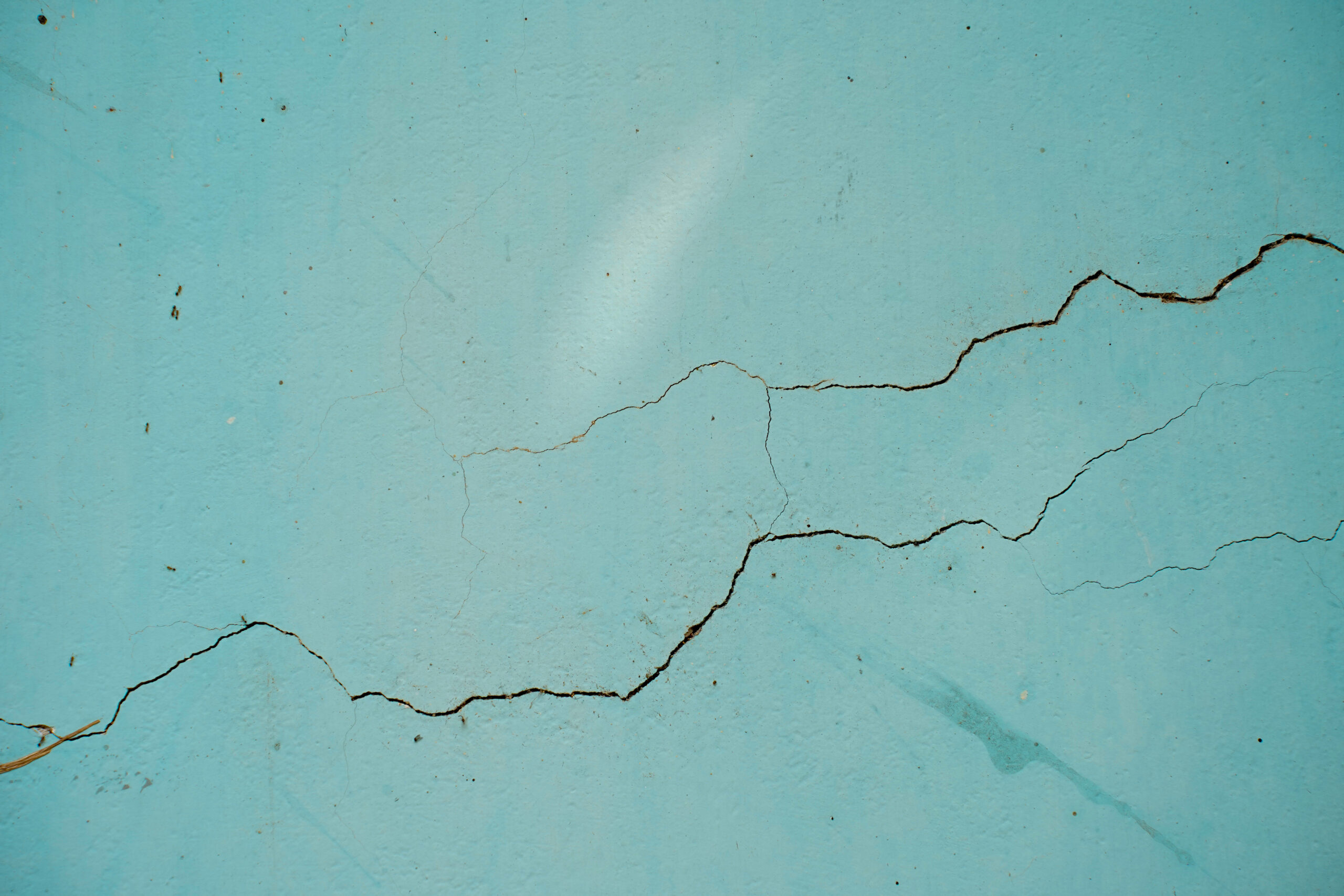
Horizontal Cracks in Walls: Causes and Engineering Solutions
Discovering a horizontal crack on the wall of your own home or commercial building always causes alarm for owners. Unlike small “cobweb” cracks in plaster, horizontal ruptures often look threatening and indicate serious structural stress. For residents of Kyiv, Odesa, and other regions of Ukraine, where geological conditions are often complicated by dense development and specific soils, timely detection of such defects is critically important. GlobalBud Ukraine (GBU) understands your concerns: we know that behind every crack lies a risk to your property and safety. That is why it is important not to panic, but to understand the reasons for the defect’s appearance and entrust its assessment to experts.
Why Horizontal Cracks Appear: Main Factors
From an engineering point of view, a horizontal crack indicates that the wall is experiencing severe pressure or displacement. Most often, this happens when the load is distributed incorrectly or when the wall is subjected to lateral pressure. The main causes of such defects include:
- Excessive soil pressure on basement or plinth walls. This is the most common cause of horizontal cracks in the lower part of buildings. Moist soil (especially clay), freezing in winter, expands and exerts tremendous force on the walls from the outside, forcing them to bend inward.
- Overloading from the roof or floor slabs. If during renovation (for example, replacing light slate with heavy natural tiles) the load-bearing structures were not reinforced, the weight of the roof begins to literally “crush” the walls.
- Absence or destruction of the reinforced belt. In houses made of aerated concrete, foam blocks, or brick, a reinforced belt is mandatory for uniform load distribution. Its absence leads to the wall cracking along the masonry seam.
- Thermal expansion. In long buildings without expansion joints, sharp temperature fluctuations in Ukraine (from summer heat to winter frosts) cause expansion and contraction of materials, leading to horizontal ruptures.
How Dangerous is This for Your House?
Horizontal cracks are considered among the most dangerous of all types of wall deformations. If a vertical crack usually points to foundation settlement, a horizontal one says the wall is losing its structural integrity under weight or lateral pressure. If the wall starts to bend like an arch (a “bulge” on the wall), this is a direct threat of structural collapse. In such cases, delaying building inspection is not just risky — it is life-threatening.
How GBU Experts Solve the Problem: From Diagnostics to Project
At GlobalBud Ukraine, we don’t just suggest “patching up” a crack. Our task is to eliminate the root cause and restore the building’s strength. The structural inspection process includes several stages:
- Instrumental audit. We use modern sclerometers and ultrasonic flaw detectors to assess the strength grade of concrete or brick, as well as to check for hidden voids in the wall.
- Thermal imaging. Helps identify wall freezing spots and moisture accumulation, which destroys the material from within during frosts.
- Geometric determination. Using laser levels and total stations, we record how much the wall has deviated from the vertical axis.
- Solution development. After analysis, we provide an official report and propose reinforcement options (e.g., installing metal ties, carbon fiber, or creating a load-relieving belt).
Learn more about all types of engineering audits on our page for technical inspection services.
Frequently Asked Questions (FAQ)
Can I putty a horizontal crack myself?
You can only do this after an engineering inspection and elimination of the cause of its appearance. If you just putty a dynamic (“live”) crack, it will reappear in a few months, and the wall will continue to deteriorate under the new finish layer.
The crack appeared exactly along the seam between aerated concrete blocks. Is this a material defect?
Usually, this does not indicate a defect in the block itself, but errors in masonry technology: lack of reinforcement with mesh every 3-4 rows or the use of an overly thick layer of adhesive/mortar, which caused significant shrinkage.
How to find out about new building codes regarding the inspection of damaged housing?
Legislation and DBN codes are regularly updated, especially in the context of the country’s recovery. We constantly publish clarifications and relevant information on these issues. Follow the updates in our news to stay informed about your rights and obligations as a property owner.