

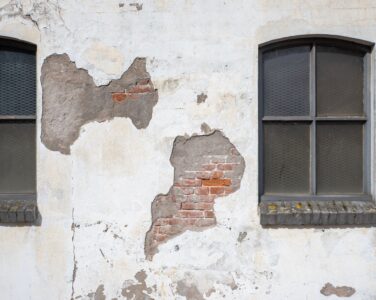
Facade Cladding Delamination: Causes, Dangers, and Repair Methods
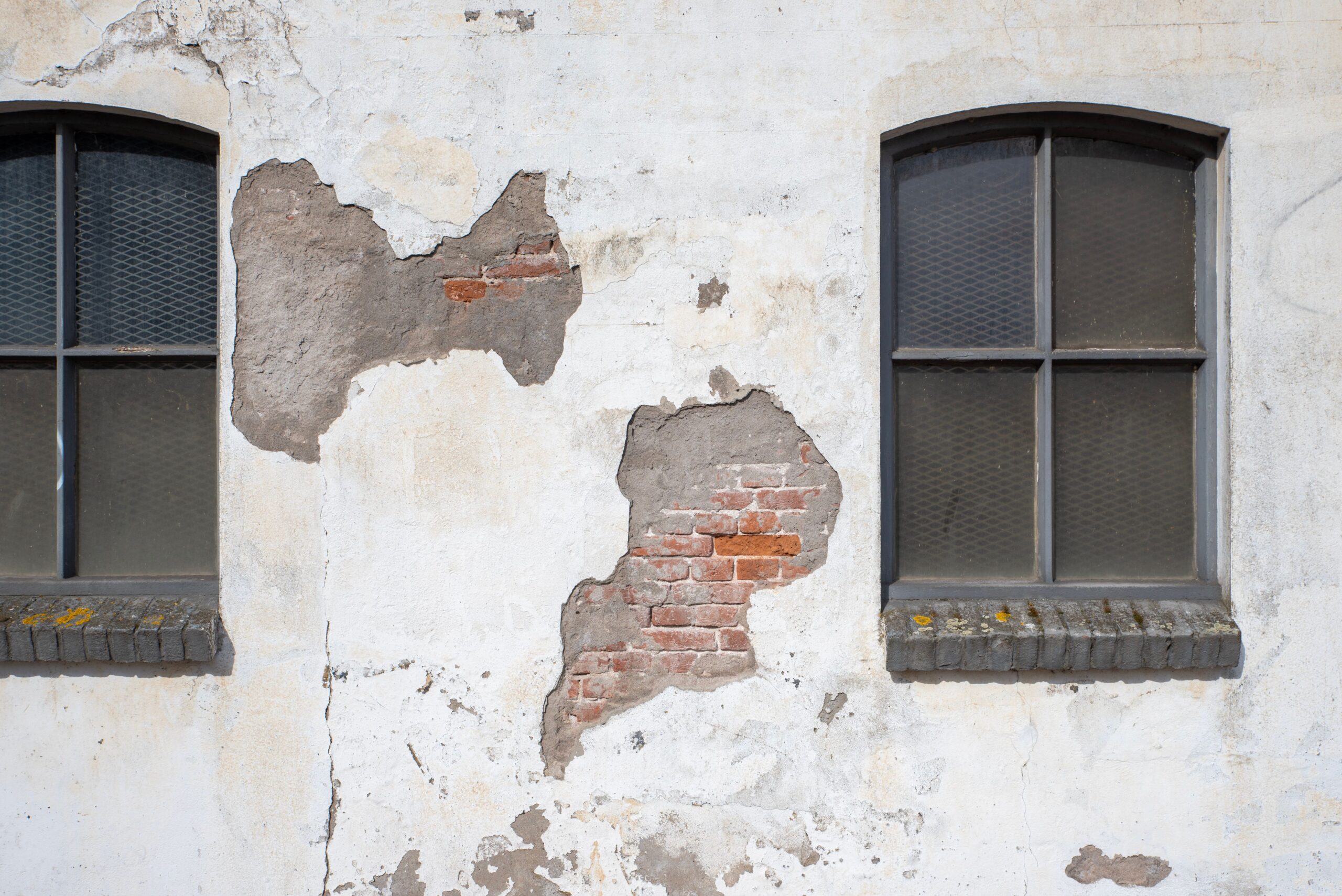
Facade cladding delamination is one of the most dangerous defects that can occur in a building. Unlike cracks, which signal potential issues, delamination poses a direct threat to the life and health of people nearby. A piece of cladding falling from several stories high can cause serious injuries. Furthermore, facade delamination is a signal of serious problems with the entire facade system that require immediate intervention.
Why Facade Cladding Delamination Occurs
Facade cladding delamination is always a consequence of the loss of bond between the cladding material and the substrate. There can be several reasons for this:
- Installation technology violations — the most common cause. Improper application of adhesive mortar, insufficient joint filling, use of unsuitable materials, or failure to observe temperature regimes during work. Improper application can lead to cracks or delamination.
- Moisture impact — the primary enemy of any building structure. Moisture penetrating into material pores expands upon freezing, destroying the material structure. Water getting behind the cladding gradually destroys the adhesive layer.
- Temperature fluctuations — constant expansion and contraction of materials leads to micro-damage that eventually turns into delamination. Sudden temperature drops can cause facade destruction.
- Corrosion of fasteners — if the cladding is attached using metal elements, corrosion can lead to their loosening and falling off.
- Mechanical damage — impacts, vibrations, damage from falling objects.
- Natural material aging — every material has a service life, after which it loses its properties.
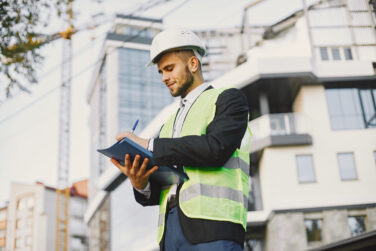
The facades of any building, especially those not protected by overhanging structures, deteriorate over time. This not only impairs their appearance but also affects surface strength. Professional technical facade inspection allows detecting areas with lost bond before the cladding begins to fall off.
Consequences of Facade Cladding Delamination
Facade cladding delamination has serious consequences:
- Threat to life and health — the most significant danger. Cladding falling from a height can cause serious injuries to passersby or residents.
- Property damage — cladding can damage cars, shop windows, and site improvements.
- Moisture penetration — after delamination, the substrate is exposed and begins to deteriorate under the influence of moisture and frost.
- Reduced thermal insulation properties — cladding is often part of the insulation system. Its loss leads to the formation of thermal bridges.
- Deterioration of building aesthetics — an aesthetic problem that lowers property value.
- Progressive destruction of the entire facade system — if measures are not taken in time, delamination will spread to larger areas.
Comprehensive building inspection helps identify hidden defects and avoid significant financial expenses in the future.
How to Repair Facade Cladding Delamination
The choice of repair method depends on the type of cladding, degree of damage, and cause of delamination:
- Local repair — removing damaged areas, cleaning the substrate, applying a new adhesive layer, and installing new cladding elements.
- Full re-cladding — in cases where most of the cladding has lost its bond.
- Fastener strengthening — if delamination is caused by corrosion or weakening of fasteners.
- Waterproofing restoration — eliminating the cause of moisture penetration behind the cladding.
- Replacing individual elements — replacing damaged or delaminated cladding elements.
It is important to remember: local repair without eliminating the cause of delamination will be ineffective.
Prevention of Facade Cladding Delamination
It is much easier to prevent delamination than to spend money on its repair and restoration:
- Regular facade inspection — at least twice a year, as well as after heavy precipitation or hurricanes.
- Tapping the surface — periodic sound testing allows identifying areas with lost bond.
- Monitoring drainage systems condition — proper water diversion from the facade reduces the risk of dampness and freezing.
- Timely damage repair — replacing individual elements that have lost bond or restoring joints prevents the problem from spreading.
Frequently Asked Questions
What should I do if I notice facade cladding delaminating?
Immediately cordon off the dangerous area to ensure the safety of passersby. Report the problem to the building manager or the homeowners’ association. Order a professional inspection to determine the scale of the problem and develop a repair plan. Do not attempt to remove or secure cladding at height yourself — it is dangerous.
Can facade cladding be restored without complete replacement?
Yes, in many cases, local repair of damaged areas is possible. However, if the majority of the cladding has lost its bond, full replacement is necessary. The final decision is based on the results of a technical inspection.