

Cracks After Nearby Construction: How Building Works Impact Your Property
Have you noticed that since construction started nearby, cracks have begun to appear on your building’s walls? This is no coincidence. Construction works conducted in close proximity can significantly affect your building’s technical condition. Excavation, pile driving, heavy machinery vibration, and changes in hydrogeological conditions all exert additional loads on the foundation and load-bearing structures of adjacent buildings. Ignoring these signs can lead to gradual structural degradation, so it is important to understand the causes and respond in a timely manner.
Why Nearby Construction Causes Cracks in Your Building
The appearance of cracks after a nearby construction project starts is not just a cosmetic defect, but a signal that your building’s structures are being subjected to impacts they were not designed for. The main causes of this phenomenon:
- Changes in hydrogeological conditions — excavation changes the level and direction of groundwater flow. This leads to the erosion of soil particles from beneath your building’s foundation and its uneven settlement.
- Dynamic loads from construction equipment — pile driving, operation of heavy machinery, and vibration from construction works are transmitted through the ground to the foundations of neighboring buildings, causing micro-deformations.
- Removal of lateral soil support — a deep excavation nearby reduces the lateral soil pressure on one side of your building’s foundation, creating additional stress in the structures and leading to cracks.
- Additional load on the soil — the weight of the new building creates extra load on the soil mass, which can cause subsidence of the soil under the foundations of neighboring buildings.
- Damage to utility lines — construction works can damage water supply, sewage, or drainage systems, leading to soil flooding and erosion of the foundation base.
How to Detect the Impact of Nearby Construction on Your Building
Timely detection of the problem allows avoiding catastrophic consequences. Here are the main signs to watch for:
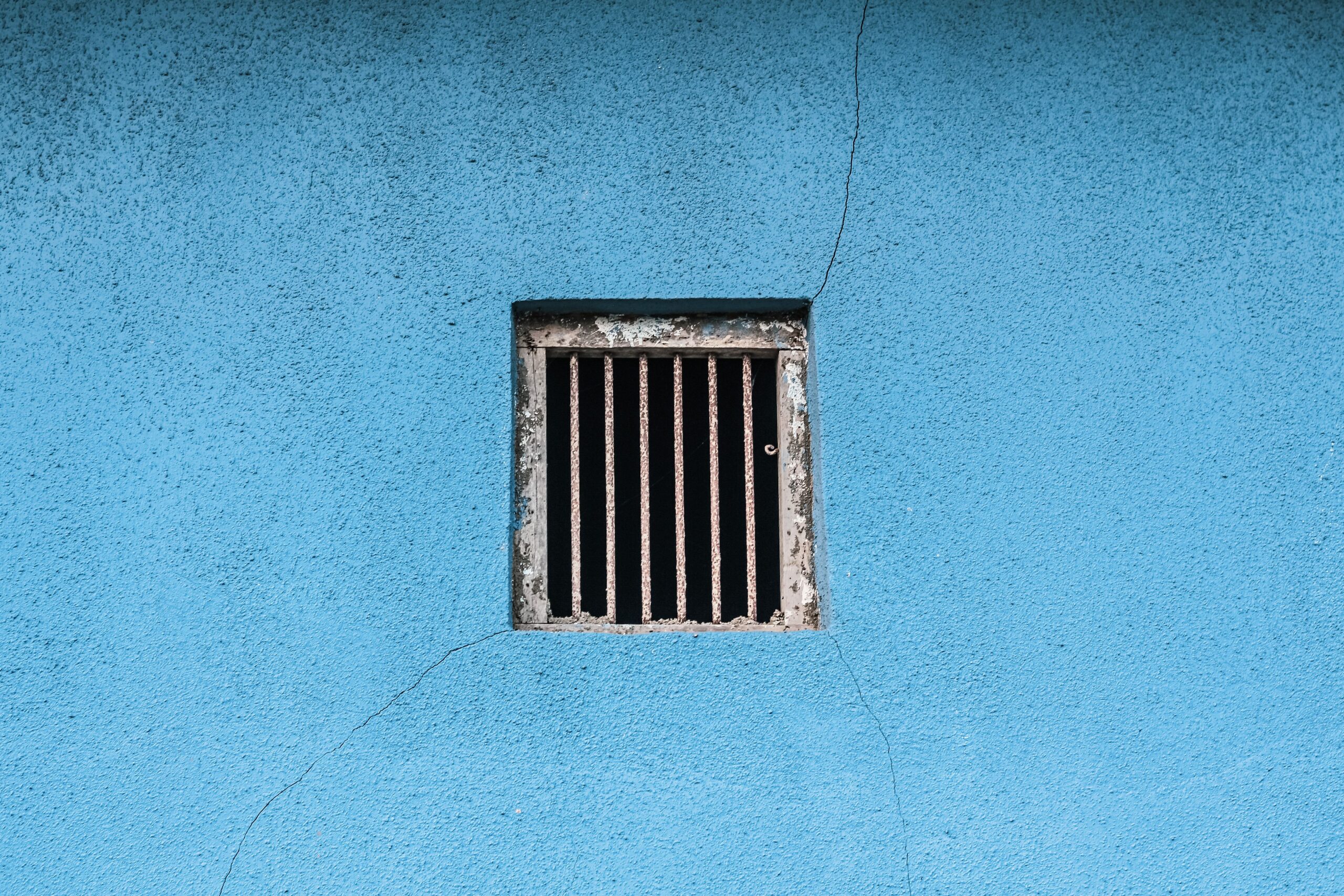
- appearance of new cracks on walls, especially diagonal ones — such cracks radiating from the corners of window and door openings often indicate uneven foundation settlement;
- expansion or lengthening of existing cracks — if cracks that were previously stable start to increase, it is an alarming signal;
- problems with opening and closing doors and windows — distortions in door and window frames indicate structural deformation;
- floor settlement or deformation — floor irregularities and cracks in the screed may indicate foundation issues;
- moisture in basement areas — changes in hydrogeological conditions often lead to basement flooding.
Actions Upon Discovering Cracks After Nearby Construction
If you notice signs of construction impact on your building, it is important to act systematically and without delay:
- Document current condition — photograph all cracks with a ruler to measure width; record the discovery date. Regularly (e.g., once a week) take new pictures to track dynamics.
- Install control beacons — plaster or paper strips across cracks will allow you to track if they are widening over time.
- Contact the developer — inform the developer conducting the nearby works about the problem. According to legislation, they are required to ensure the safety of neighboring buildings.
- Order a technical inspection — only a professional diagnosis will answer how dangerous the detected defects are and what measures need to be taken.
Technical inspection in such cases is carried out in accordance with applicable construction standards. Specialists perform visual and instrumental inspection of foundations, load-bearing walls, floors, document cracks and deformations, measure deflections, and perform geodetic monitoring of settlement. Comprehensive building inspection allows for identifying hidden defects, assessing the degree of structural damage, and obtaining an official technical report that has legal force for filing claims against the developer.
Frequently Asked Questions
Who is responsible for damage to my building resulting from nearby construction?
According to the law, the developer is responsible for damages caused to neighboring buildings as a result of construction activities. To confirm the causal link, a technical report from an independent expert is required to document the damage and establish its connection to the nearby construction.
Can I repair the emerging cracks independently?
Cosmetic repair of cracks without eliminating the cause will be ineffective. If the foundation continues to deform due to nearby construction, the cracks will reappear. It is necessary to first conduct an inspection, determine the cause, and take measures to stabilize the structures.