

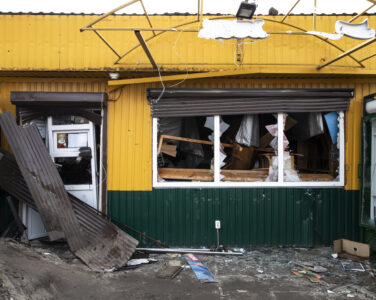
Inspection of Destroyed Real Estate in Kremenchuk
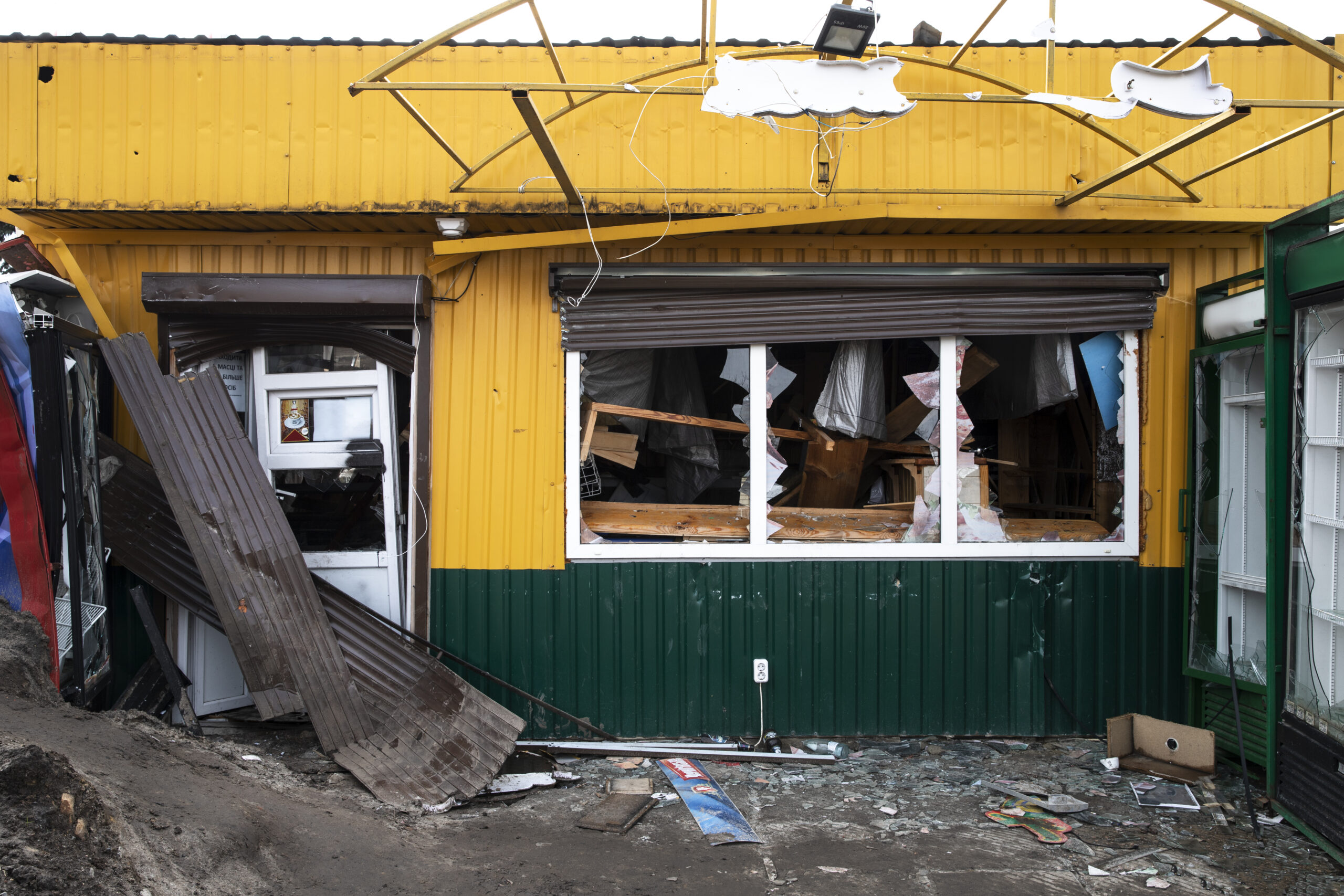
Kremenchuk is a city that the war has not bypassed. Missile strikes, drone attacks, and explosions echoing in various parts of the city have left behind damaged multi-story buildings, destroyed private houses, shattered windows, and mutilated facades. For thousands of families, this has become a painful loss — losing not just walls, but a sense of security and confidence in the future. Technical inspection of destroyed real estate in Kremenchuk is not just a procedure, but the first step toward returning home. It answers the most critical questions: whether the house can be saved, what repairs are needed, and whether it is safe to return there.
When an Inspection Becomes a Necessity
After any shelling, regardless of its scale, property owners face a choice: what to do with damaged housing. Technical inspection is required when:
- you plan to apply for state aid or insurance compensation;
- you are unsure whether it is safe to stay in the building at all;
- apartment buildings are affected — where there are common structures, the risks are the same for all residents;
- you want to sell the damaged property or, conversely, buy a destroyed object for subsequent reconstruction.
Kremenchuk, as a major industrial city on the Dnipro River, has its own specifics: dense development and older structures that require special attention after the impact of a blast wave. An inspection helps avoid tragedies — hidden cracks in load-bearing structures can lead to collapse even without visible load.
What the Inspection of Destroyed Real Estate Includes
The comprehensive set of measures includes:
- analysis of available design and as-built documentation;
- visual inspection of structures with the recording of defects: cracks, deformations, spalling, moisture traces, and corrosion;
- instrumental inspection of load-bearing structures: geodetic measurements of vertical and horizontal deformations, ultrasonic testing of concrete, endoscopic inspection of hidden cavities, thermal imaging diagnostics;
- determination of the technical condition category according to DSTU 9273:2024;
- calculation of the residual load-bearing capacity of structures and prognosis of further destruction;
- laboratory testing of material samples (if necessary).
Blast wave damage is often hidden — micro-cracks in concrete structures, loss of bond between reinforcement and concrete, and frame deformations that cannot be detected without special equipment. Read about how to identify hidden defects and document them properly in our material.
How the Inspection is Carried Out
The procedure for technical inspection of destroyed real estate in Kremenchuk is structured according to the following algorithm:
- Preliminary analysis. Reviewing available documentation, determining destruction zones, and assessing the safety of access to the object.
- Visual inspection. Recording visible defects: cracks, deformations, spalling, moisture traces, and corrosion.
- Instrumental inspection. Geodetic measurements, ultrasonic testing, thermal imaging diagnostics.
- Calculation of the technical condition. Determining the damage category based on inspection results in accordance with current DBNs.
- Preparation of a technical report. A document indicating the degree of damage, the state of structural elements, a forecast of further destruction or stability, and recommendations for restoration, reinforcement, or dismantling.
What the Customer Receives
Upon completion of the work, the owner receives an official technical report. It specifies:
- an assessment of the condition of the building and individual structures;
- a list of all identified defects with references to building codes;
- calculations of residual strength;
- categorization of the condition: from “fit for operation” to “emergency, unfit for restoration”;
- clear recommendations: what to restore, what to reinforce, and what to dismantle.
The report is registered in the Unified State Electronic System in the Construction Sector (EDESSB), which gives it legal validity. The process of preparing a technical report on the destruction of a building or structure is key for any compensation procedure. In cases where the destruction is critical, the dismantling or demolition of buildings and structures may be required, which also demands proper technical justification.
Cost and Timeframe
Each object is unique, so the cost of the inspection is calculated individually. It depends on the area, number of floors, degree of destruction, and the need to use special equipment. The timeframe for completing the work is determined after a preliminary visit by an expert. GlobalBud Ukraine provides a full cycle of technical inspection of real estate objects with subsequent registration of the report in EDESSB.
Frequently Asked Questions
Can an inspection be carried out if the documents for the house are lost?
Yes. The inspection is carried out based on the actual condition of the structures. The lack of documents is not an obstacle, although having a technical passport significantly simplifies the work of experts.
Will the technical report help to obtain compensation?
Yes. To receive state assistance, a commission inspection act is required, but a technical report from an independent expert registered in EDESSB is a weighty proof of the degree of damage and can be used when appealing commission decisions.
How long is the technical report valid?
The report records the condition at the time of the inspection. If the building remains unpreserved for a long time, it is recommended to conduct a re-inspection after a certain period, as destruction may progress.