

Roof Inspection Before Installing Solar Panels: Why It Is Critically Important
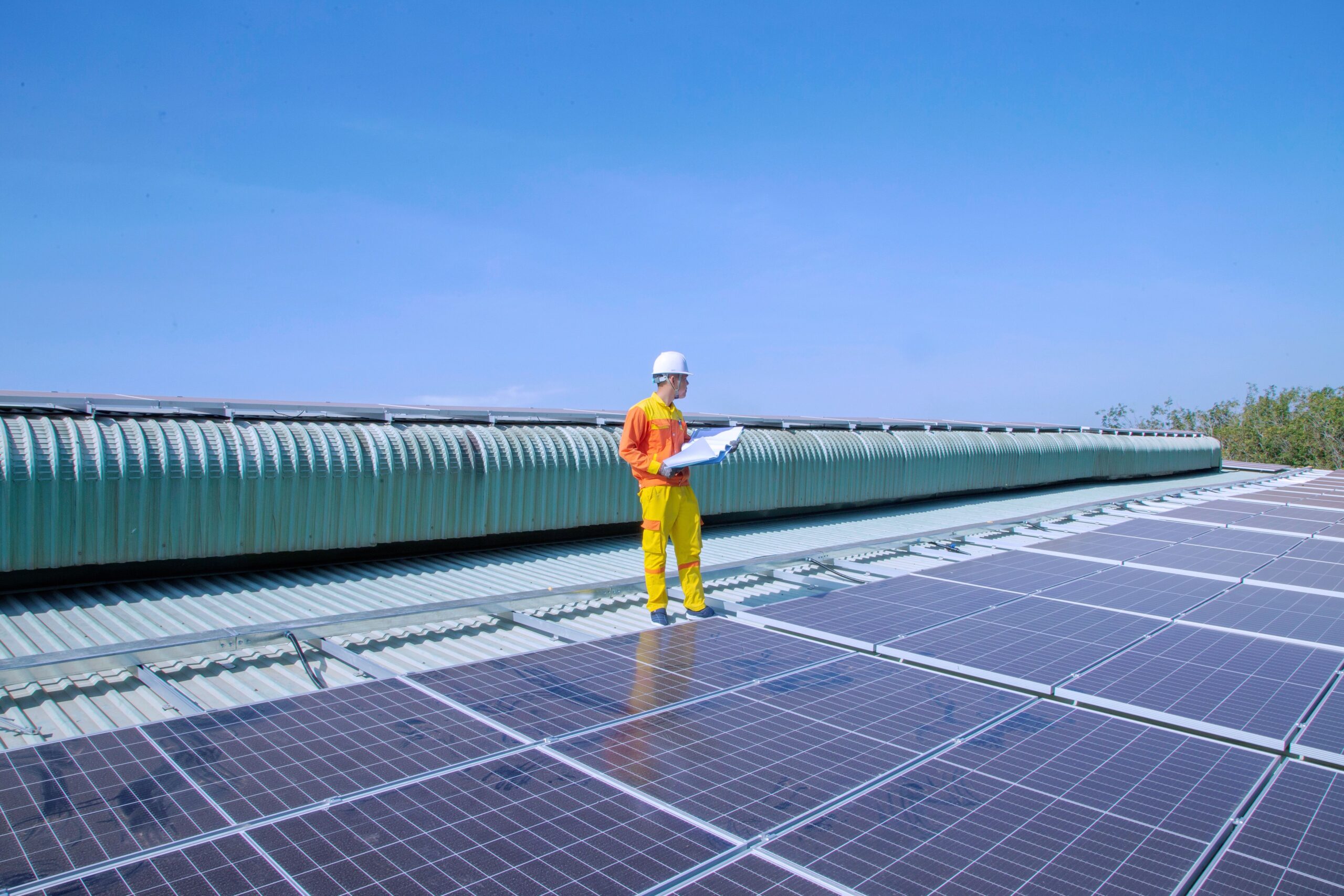
Installing a solar power plant on the roof of a private house is a profitable and eco-friendly solution that allows for significant savings on electricity. However, before ordering equipment and hiring an installation crew, it is necessary to conduct a roof inspection. This is not just a formality, but a critically important stage that guarantees the safety, reliability, and durability of the entire system. Technical inspection of roof structures for the installation of solar panels allows assessing the condition of the roof, its ability to withstand the additional load from the panels, and determining the necessary measures for safe installation.
Why a Roof Inspection Before SPP Installation is Mandatory
Many homeowners mistakenly believe that if there is enough free space on the roof, solar panels can be installed without any additional checks. In reality, the load-bearing capacity of a roof depends on many factors: building type, year of construction, floor slab material, condition of metal or reinforced concrete structures, presence of corrosion, cracks, deflections, and other defects. A single solar panel can weigh 20–30 kg, but the final conclusion is made not by the weight of an individual module, but by the total load per square meter of the roof and the ability of the structures to support it. Furthermore, the roof load is formed from several components: the dead weight of the solar modules, the weight of the mounting profiles and fasteners, ballast for flat roofs, and snow and wind loads.
Main Risks of Installing an SPP Without a Roof Inspection
Ignoring the condition of the roof before installing photovoltaic modules is the most expensive mistake homeowners make. The most common risks include:
- overloading of floor slabs or the truss system, which can lead to deformation and destruction of structures;
- deformation of metal trusses and other load-bearing roof elements;
- damage to the waterproofing layer, leading to leaks and additional repair costs;
- insufficient strength of fasteners, which can cause panels to be torn off during strong gusts of wind;
- inability to obtain a technical conclusion for SPP registration and electricity sales.
A professional technical roof inspection for an SPP helps avoid these problems and is a key stage in determining the feasibility of safe equipment installation.
What is Included in a Roof Inspection Before Installing Solar Panels
A comprehensive technical roof inspection before SPP installation typically covers:
- Assessment of the roof’s load-bearing capacity — engineers check the strength and stability of the structures to ensure they can withstand the weight of the solar panels and fasteners.
- Analysis of the roofing material — assessing what material the roof is made of (metal, tile, slate, etc.) and its condition in order to select optimal fasteners.
- Study of roof pitch and orientation — this affects the efficiency of the solar system. The ideal position for panels is at an angle corresponding to the geographic coordinates of the site, with maximum southern orientation.
- Waterproofing check — evaluating whether the installation of panels will compromise the roof’s watertightness.
- Assessment of wind loads — since solar panels can create additional wind resistance, it is necessary to calculate whether the roof will withstand the increased loads.
The procedure for technical roof inspection for an SPP by GlobalBud Ukraine will help you obtain an objective assessment of your roof’s condition and avoid risks during installation.
When a Technical Roof Inspection is Mandatory
In accordance with the legislation of Ukraine, in particular the Law “On Regulation of Urban Planning Activity” and relevant State Building Norms (DBN), inspection of structures is mandatory in a number of cases:
- When structural loads change — if the building was not designed for such loads or there are no up-to-date structural calculations.
- For objects with an operational lifespan of over 20–30 years — old buildings may have worn-out load-bearing elements, corrosion of metal structures, cracks, or deformations.
- During reconstruction or major repairs — technical inspection is part of the project documentation.
- For commercial and industrial facilities — legal entities installing SPPs to sell electricity or power production must comply with heightened safety requirements.
- At the request of the designer or regulatory authorities.
Since July 1, 2023, the installation of solar panels with a capacity of up to 30 kW in Ukraine does not require a special permit; however, obtaining a technical conclusion is mandatory.
Frequently Asked Questions (FAQ)
Is it possible to install solar panels on an old roof without an inspection?
No, it is strictly not recommended. An old roof may have hidden defects: corrosion of metal elements, cracks in floor slabs, compromised waterproofing. Without a professional inspection, you risk creating an emergency situation during installation or operation.
How long does a roof inspection for an SPP take?
The duration depends on the roof area and the complexity of the structures. On average, a visual and instrumental inspection takes from 2 to 4 hours, and the preparation of a technical conclusion takes up to 3 working days.
Conclusion
Roof inspection before installing solar panels is not a formality, but a necessary step that guarantees the safe operation of your solar power plant. It allows identifying hidden defects, correctly calculating loads, and avoiding emergency situations. A comprehensive engineering inspection by GlobalBud Ukraine will help you obtain a professional technical conclusion and confidence in the reliability of your SPP.