



House Inspection Before Purchase in Poltava: What Historical Buildings and Modern New Builds Hide
Poltava is a city with a centuries-old history, unique architecture, and a special atmosphere. Today, the real estate market in Poltava shows stable growth: according to analysts, in 2025, the average cost of a square meter in the secondary market is about $930–950, which is 6–7% more compared to the previous period. Private houses have become more expensive, and the demand for them remains consistently high. However, high prices and high demand often lead to buyers rushing into a decision, failing to notice hidden defects. A house inspection before purchase in Poltava is not just a recommendation, but a critically important step that can save you from losing significant funds.
Historical Heritage: Old Town Houses
Poltava is famous for its historical architecture. In the city center, many houses from the 19th and early 20th centuries have been preserved, attracting buyers with their charm and location. But behind a beautiful facade, problems often hide that could cost you a fortune. The most common defects of old Poltava houses:
- Rotten wooden floors and rafters — especially in houses built before the 1950s. Wood exposed to moisture for decades can lose its load-bearing capacity. Replacing such structures is a major renovation that can cost 150,000–300,000 UAH.
- Foundation problems — old houses often have foundations made of rubble stone or brick, which deteriorate over time under the influence of moisture and frost. Cracks, uneven settlement — typical problems for such houses.
- Outdated utilities — cast-iron sewage pipes, aluminum wiring, old heating systems. Replacing utilities in an old house is an expense that few people consider when buying.
- Lack of modern insulation — old walls often have insufficient thermal insulation, leading to high heating costs in winter.
Poltava New Builds: Risks You Should Know About
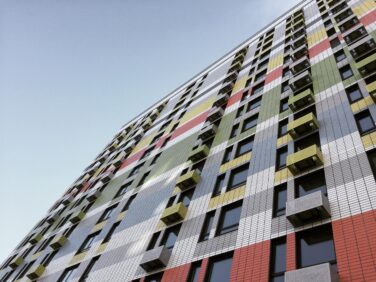
In recent years, new residential complexes and cottage towns have been actively built in Poltava. It would seem that a new house is safe. But even in new buildings, defects occur, especially when developers save on materials or accelerate construction rates. The most common problems with new buildings in Poltava:
- Uneven walls and ceilings — deviations from vertical and horizontal lines that make it impossible to install furniture and appliances properly. Leveling walls in a two-story house can cost 40,000–70,000 UAH.
- Poor installation of windows and doors — a breach of airtightness leads to heat loss and condensation. In winter, this means additional heating costs.
- Ventilation problems — insufficient air exchange, which creates a risk of mold formation and increased humidity.
- Cracks in walls — even in new buildings, cracks occur due to building settlement or violations of construction technology.
Read our material on how to identify hidden defects and document them properly. This is especially important for Poltava, where the new construction market is actively developing.
Soil Features in Poltava: What a Buyer Should Know
Poltava is located on loess soils, which have specific properties. When wet, they can lose load-bearing capacity, leading to uneven foundation settlement. This is especially relevant for houses built without proper consideration of geological conditions. What to look out for:
- cracks in the plinth and walls — may indicate uneven foundation settlement caused by changes in soil moisture;
- damp spots on basement walls — a sign of damaged waterproofing and possible flooding;
- deformation of the blind area (paving) — if the blind area around the house has cracked or subsided, it may indicate soil movement.
If you notice cracks on the ceiling or walls, do not ignore them. Read our blog about how to identify and assess the danger of such cracks.
How a Professional House Inspection in Poltava is Conducted
A professional technical inspection of a house in Poltava is a comprehensive procedure that covers all critical building elements. Specialists perform:
- inspection of the foundation and load-bearing structures — checking for cracks, deformations, signs of corrosion, and waterproofing damage;
- checking the geometry of premises — using laser levels to record deviations of walls, floors, and ceilings from vertical and horizontal;
- diagnostics of engineering systems — checking water supply, sewage, heating, ventilation, and power supply;
- assessing the state of the roof — checking for leaks, material wear, and drainage violations;
- analysis of technical documentation — checking for the technical passport, design documentation, and construction and reconstruction permits.
A comprehensive inspection of residential real estate before purchase allows you to assess not only the state of the structures but also engineering systems, which gives a complete picture of future expenses.
Frequently Asked Questions
Is it possible to inspect a house in Poltava on your own, without involving specialists?
Technically yes, but it is extremely risky. Most serious defects are hidden — they cannot be detected without special equipment and professional knowledge. For example, without a thermal imager, you won’t see cold bridges and heat insulation breaches; without a laser level, you won’t determine floor slab sagging or wall deviations; without a tester, you won’t check the state of electrical wiring.
How long does a house inspection in Poltava take?
On average 2–4 hours depending on the area and complexity of the object. Preparation of the technical report takes 1–2 working days.
What documents should a buyer check before buying a house in Poltava?
Before purchase, you must check: title documents for the house and land plot; BTI technical passport; design documentation; permits for construction and reconstruction; absence of encumbrances, arrests, or legal disputes. It is advisable to conduct legal verification of documents in parallel with a technical inspection.
Conclusion
A house inspection before purchase in Poltava is not an additional expense, but a necessary condition for a safe purchase. A city with a centuries-old history has its specifics: old houses with unique architecture but worn-out structures; new buildings that do not always meet declared quality; peculiarities of soils that can affect the foundation’s condition. A professional technical inspection allows you to identify all these risks before you sign the contract. Do not risk your investments — entrust the inspection to professionals.