


Technical Inspection of Buildings in Zaporizhzhia: Assessment of Structural Condition Under Industrial Load and War Damage
Zaporizhzhia is a city with powerful industrial potential, a significant number of objects constructed in the 1960s–1980s, and a complex ecological situation. Intensive operation, exposure to aggressive environments, high man-made loads, and, above all, damage resulting from military actions make the technical inspection of buildings in Zaporizhzhia an integral component of ensuring safety, planning restoration work, and assessing the investment attractiveness of objects. The procedure is carried out in accordance with DBN V.1.2-14:2018 and the Methodology for Inspecting Buildings and Structures Damaged as a Result of Emergencies, Hostilities, and Terrorist Acts.
When a Technical Inspection of Buildings in Zaporizhzhia is Necessary
According to DSTU-N B V.1.2-18:2016, technical inspections of buildings in Zaporizhzhia must be carried out in the following cases:
- recording damage and destruction of buildings as a result of Russian armed aggression;
- reconstruction or major repairs of an object;
- change in the functional purpose of a structure;
- detection of deformations, cracks, or other signs of structural damage;
- expiration of the standard operational lifespan;
- the object being in an emergency condition.
For Zaporizhzhia, inspecting industrial objects subject to constant vibration loads and aggressive environments, as well as residential buildings damaged as a result of hostilities, is particularly relevant. The inspection of damaged objects is carried out to determine the actual condition and assess the object’s compliance with basic requirements for buildings and structures.
What a Technical Inspection of a Building in Zaporizhzhia Includes
A comprehensive engineering inspection of structures covers all load-bearing and enclosing structures, engineering systems, and improvement elements:
- Foundation inspection — assessment of type, embedment depth, presence of deformations, cracks, waterlogging traces, condition of waterproofing and drainage systems. For Zaporizhzhia, where loess soils occupy a significant part of the territory, special attention is paid to investigating uneven settlement and groundwater impact.
- Inspection of load-bearing structures — walls, columns, beams, trusses, floor slabs. The presence of cracks, distortions, deviations from the vertical, corrosion damage, rotting, and biological damage is determined.
- Roofing and facade inspection — checking tightness, condition of roofing material, truss system, drainage; assessment of facade panels, plaster, insulation.
- Thermal imaging inspection — identifying thermal bridges, insulation breaches, wall freezing, leaks in window and door units, and hidden moisture zones.
- Instrumental inspection — use of thermal imagers, moisture meters, testers to assess the condition of electrical networks.
- Engineering system analysis — assessment of water supply, sewerage, heating, power supply, and ventilation systems for operability and compliance with standards.
For objects with damage resulting from non-design impacts (shelling, explosions), special diagnostic methods provided by DSTU 9273:2024 are applied. Instrumental control methods are mandatory to identify hidden structural defects, in particular microcracks in concrete. Read more about how thermal imaging checks help identify hidden insulation and other structural defects in our article.
How a Technical Inspection of a Building is Conducted
The technical inspection procedure is structured according to the following algorithm:
- Preparatory stage. Analysis of existing design, as-built, and operational documentation. The scope and methods of research are determined, and the site visit schedule is agreed upon.
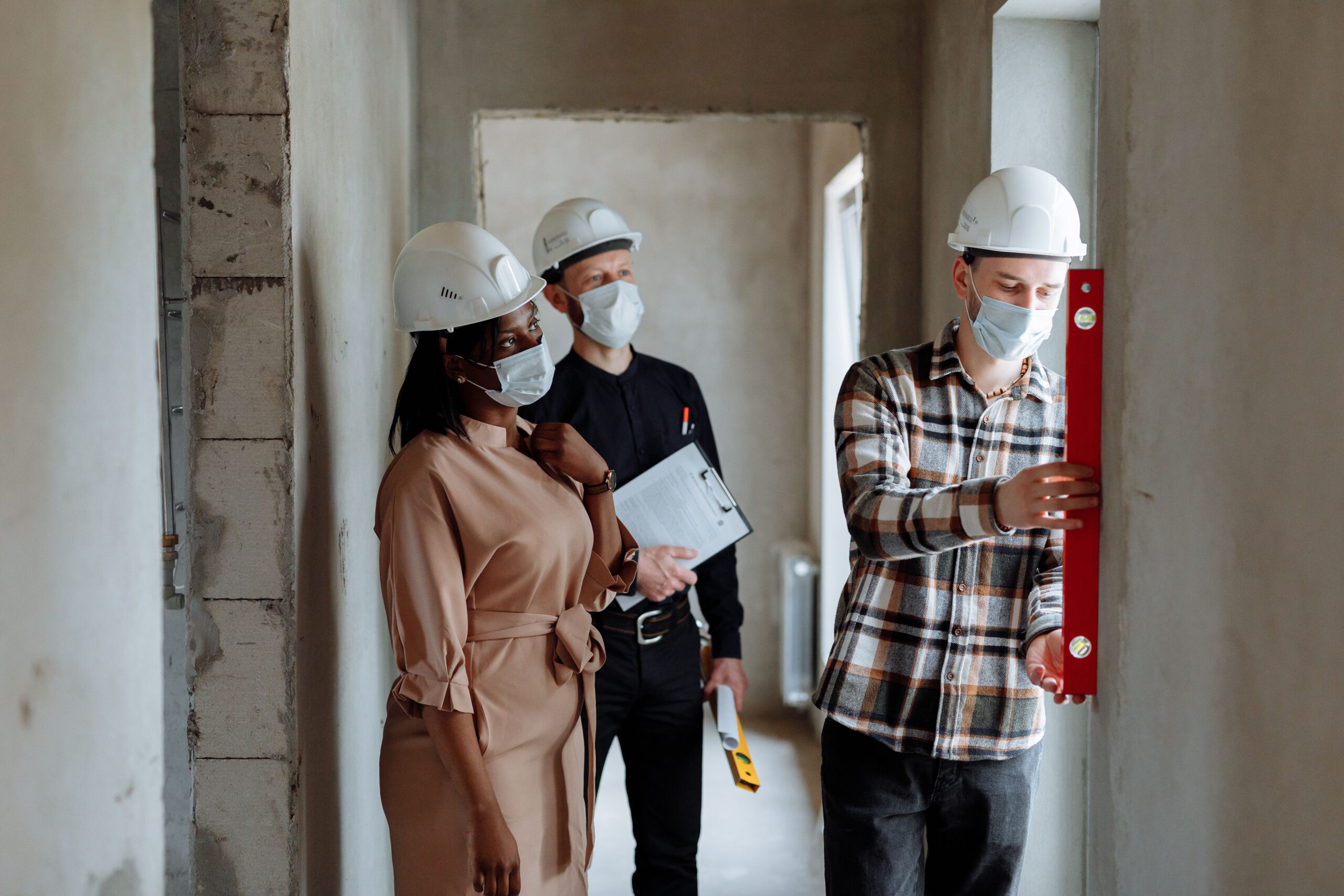
- Visual inspection. Initial walkthrough of all premises, basements, attics, and facades with the recording of obvious defects (cracks, delamination, corrosion, leak traces). Photographic documentation of problem areas is performed, and a preliminary defect map is compiled.
- Instrumental measurements. Application of specialized equipment to obtain quantitative characteristics of structural condition.
- Preparation of a technical report. Documenting all results with detailed descriptions, tables, charts, conclusions, and recommendations. The report is signed by certified engineers and, if necessary, registered in the EDESSB.
What the Customer Receives
Based on the inspection results, the customer receives a technical report registered in the Unified State Electronic System in the Construction Sector (EDESSB). The document contains:
- description of the object’s actual condition — detailed analysis of each structural element with calculations and photographic documentation;
- technical condition category with assessment of the residual structural lifespan;
- list of identified defects indicating the nature, location, and probable causes of each;
- recommendations for restoration, reinforcement, or dismantling.
The process of preparing a technical report on the inspection of building structures is key for submitting documents to local self-government bodies or insurance companies. In cases where destruction is critical, dismantling or demolition of buildings and structures may be required, which also necessitates proper technical justification.
Cost and Timelines of Inspection Execution
The cost of a technical inspection of buildings in Zaporizhzhia is determined individually for each facility. Key pricing factors are the area and number of storeys of the building, degree of damage (for objects affected by hostilities), the need to use specialized diagnostic equipment, and accessibility of structural elements for inspection. Work duration depends on the scope of the inspection and the complexity of the object. GlobalBud Ukraine provides a full cycle of technical inspections of real estate objects with subsequent registration of the report in the EDESSB.
Frequently Asked Questions
What are the features of technical inspections of buildings in Zaporizhzhia damaged as a result of hostilities?
For such objects, the Methodology for Inspecting Buildings and Structures Damaged as a Result of Emergencies, Hostilities, and Terrorist Acts is applied. Particular attention is paid to identifying hidden defects caused by blast waves: microcracks in concrete structures, disruption of the bond between reinforcement and concrete, and frame deformations.
Is it possible to conduct a technical inspection of a building in Zaporizhzhia without design documentation?
Yes, the inspection is carried out based on the actual condition of the structures. The absence of design documentation is not an obstacle to performing the work, although having a technical passport significantly simplifies the diagnostic process.
What documents confirm the results of a technical inspection?
The inspection results are formatted as a technical report, which is registered in the EDESSB. This document has legal force and can be used for submission to local self-government bodies, insurance companies, or court.
What is the frequency of technical inspections for industrial buildings in Zaporizhzhia?
For industrial objects subject to constant vibration loads and aggressive environments, it is recommended to conduct inspections with increased frequency — at least once every 3–5 years, as well as after any emergency situations or non-standard impacts.