


Horizontal Foundation Crack: Meaning and Remediation
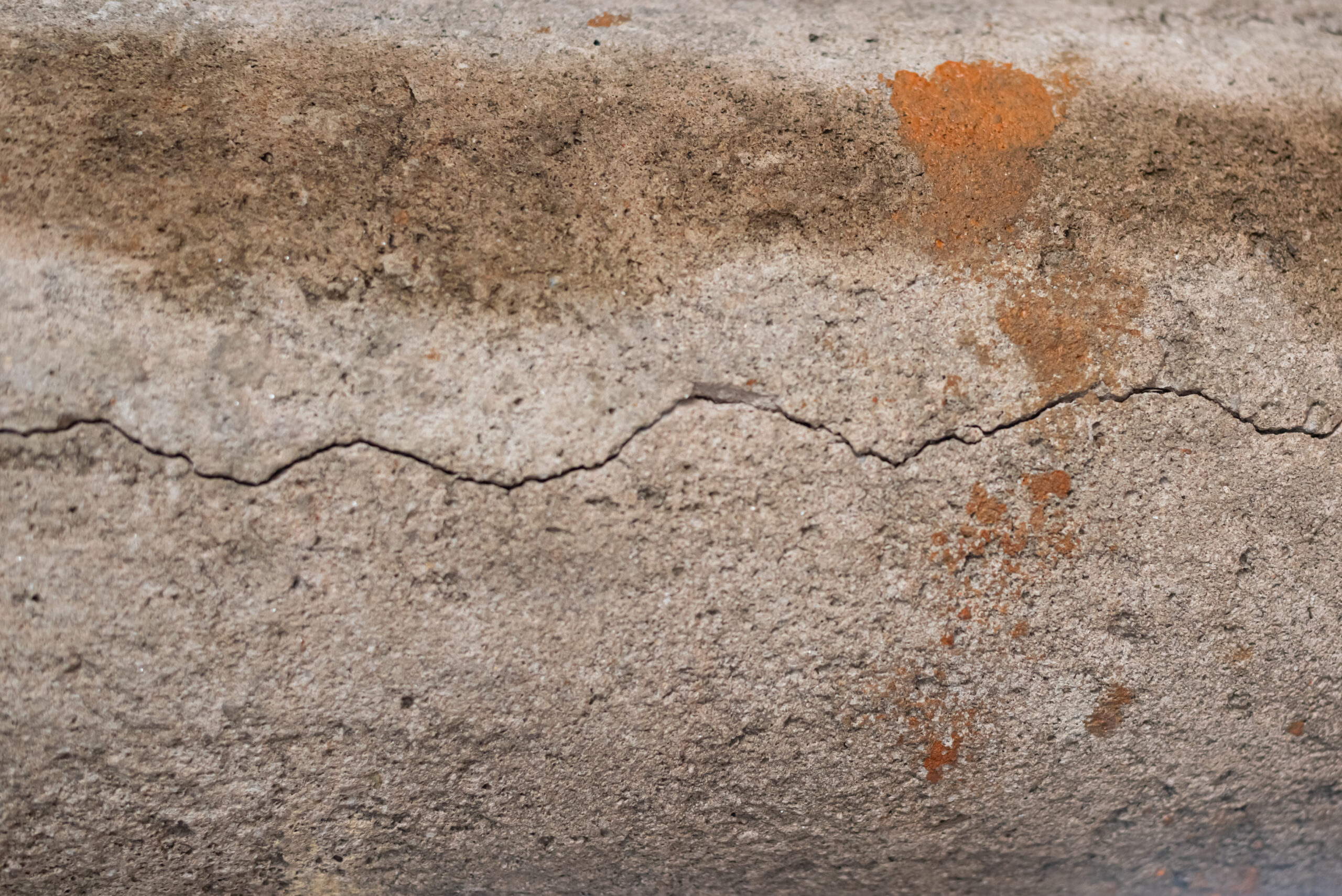
A horizontal crack in a foundation is one of the most alarming defects that can appear in a building. Unlike vertical cracks, a horizontal rupture almost always indicates a serious compromise of structural load-bearing capacity and significant soil pressure against the foundation walls. Such a defect requires immediate intervention by specialists, as it can lead to the gradual collapse of the entire building. Let’s examine why horizontal cracks occur, why they are dangerous, and how to properly remediate them.
Why a Horizontal Crack Appears: Main Causes
Horizontal cracks in foundations most often arise due to excessive lateral soil pressure against basement or cellar walls. This pressure can be triggered by various factors, including:
- Frost heaving — when freezing, the soil increases in volume and exerts significant pressure on foundation walls, especially if they are insufficiently reinforced or lack adequate thickness.
- Elevated groundwater level — water in the soil creates additional hydrostatic pressure on underground building structures.
- Improper load calculation — design errors can lead to a foundation not being designed for actual soil pressure.
- Absence or damage to the drainage system — water accumulates near the foundation, increasing pressure on the walls and causing deformation.
- Construction technology violations — insufficient reinforcement, poor concrete quality, and non-compliance with design solutions can lead to horizontal cracks within the first few years of operation.
- Uneven settlement of the base — when different parts of the building settle unevenly, stresses arise in the foundation that can manifest as horizontal cracks.
Seasonal temperature and humidity fluctuations also contribute to the expansion and contraction of materials, which can lead to cracking. In some cases, a deficiency in expansion joints is the cause.
Why a Horizontal Crack is Dangerous for a Building
A horizontal crack is a sign that the foundation wall is not resisting lateral soil pressure. This can lead to a series of serious consequences:
- Progressive wall deformation — a horizontal crack can gradually widen, leading to bowing or warping of basement or cellar walls.
- Loss of load-bearing capacity — in the event of significant opening of the crack, the foundation may lose the ability to support loads from structures above.
- Destruction of the entire building — a horizontal crack indicates the structure is in an emergency state. Without timely intervention, partial or complete collapse of the building is possible.
- Moisture penetration — through horizontal cracks, water can enter basement premises, leading to high humidity, fungal growth, and mold.
Technical inspection of buildings and structures will help determine the real degree of danger and develop an action plan.
How to Remediate a Horizontal Crack: Action Algorithm
Remediating a horizontal crack is a complex engineering process that begins with a professional inspection. The choice of structural repair method is made based on an analysis of technical inspection findings, stemming from the causes of the damage. Here is an action algorithm recommended by specialists:
- Conducting a technical inspection — professional foundation inspection allows identifying the cause of the crack and assessing the overall state of structures. Inspection is carried out in accordance with DSTU 9273:2024 “Guideline for inspection of buildings and structures for determination and assessment of their technical state” and taking into account the requirements of DBN V.2.1-10:2018 “Foundations of Buildings and Structures.”
- Determining the cause of deformation — based on inspection results, specialists establish what exactly triggered the horizontal crack: excessive soil pressure, high water levels, or other factors.
- Developing a reinforcement project — an individual work plan is developed depending on the cause and degree of damage. Foundation reinforcement is selected individually after analyzing damage causes, foundation type, soil state, and actual loads.
- Performing reinforcement works — may include: crack injection with special compounds, installation of additional steel beams or posts, installation of a drainage system, or pile reinforcement.
- Monitoring structural state — after works are performed, it is necessary to periodically check the foundation state to ensure the effectiveness of implemented measures.
How to Prevent the Appearance of Horizontal Cracks
It is much easier to prevent a problem than to spend significant funds on fixing it. Preventive measures include:
- regular technical foundation inspection — it is recommended to conduct inspections every 5-10 years, especially for buildings with an service life over 20-30 years;
- monitoring the state of the drainage system — timely cleaning and repair of drainage channels prevents water accumulation near the foundation;
- surface water diversion — proper organization of drainage from the roof and surrounding territory reduces load on the foundation;
- foundation insulation — reduces the depth of soil freezing and lowers the risk of frost heaving.
Order a technical foundation inspection at GlobalBud Ukraine for preventive purposes or when detecting initial signs of deformation.
Frequently Asked Questions
Can a horizontal crack be eliminated without foundation reinforcement?
No. A horizontal crack indicates a serious compromise of foundation load-bearing capacity. Without addressing the root cause (excessive soil pressure or insufficient structural strength), any cosmetic repair will be ineffective. First, reinforcement using piles or other methods may be required.
Is a horizontal or vertical crack more dangerous?
Both types of cracks are dangerous, but a horizontal crack indicates more critical problems with foundation load-bearing capacity. It can lead to significant wall deformation and even building collapse, thus requiring immediate specialist intervention. Vertical cracks also pose a great danger as they are often a cause of foundation failure.
How much does it cost to remediate a horizontal foundation crack?
The cost depends on many factors: the cause of the crack, the type of foundation, the degree of damage, and the chosen reinforcement method. Exact cost can only be determined after conducting a technical inspection and developing a reinforcement project.