


Crack in the Foundation: Technical and Legal Analysis of the Issue
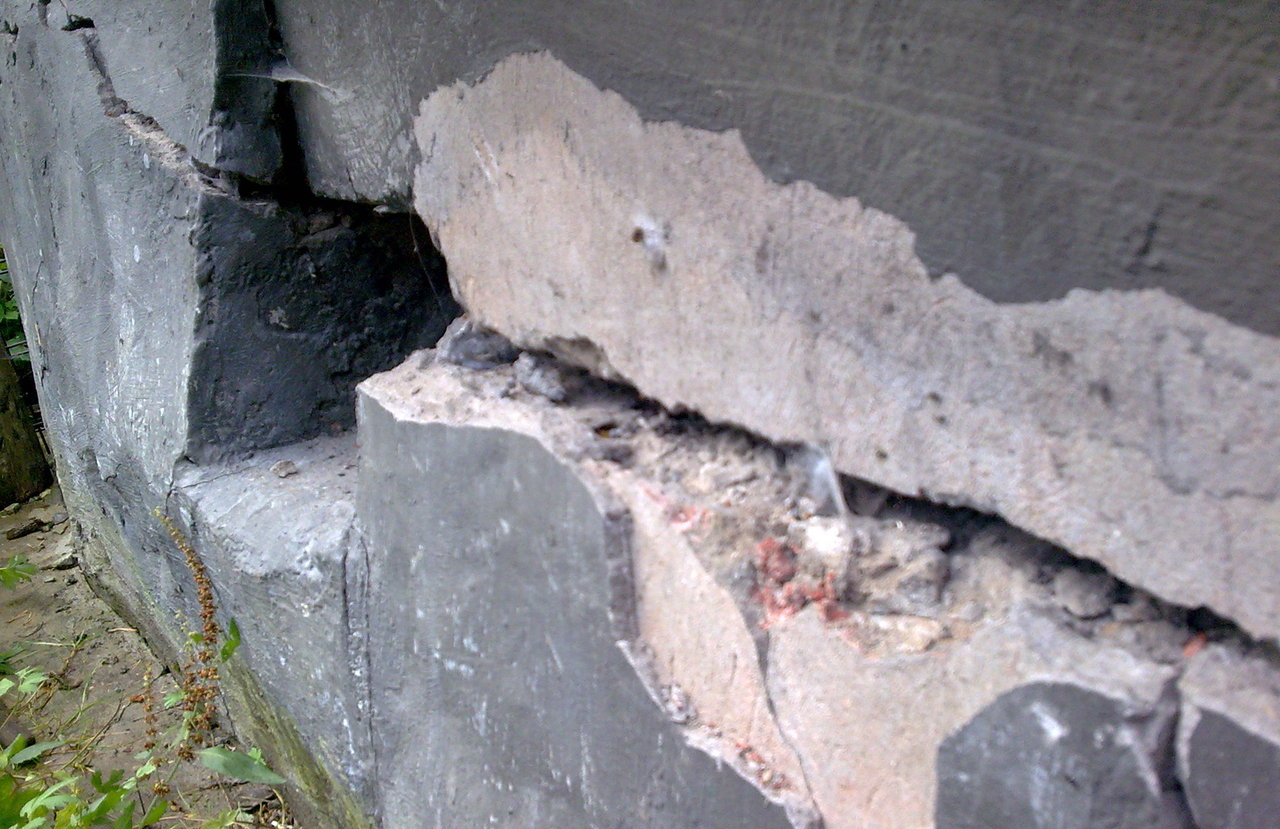
A crack in the foundation is not merely a visual defect, but a potential indication of compromised structural load-bearing capacity, design deficiencies, or soil-related problems. Ignoring such a defect may result in deformation of walls, floor slabs, and even the building reaching an emergency or unsafe condition.
In accordance with the requirements of Ukrainian State Building Codes (DBN) concerning the reliability and safety of buildings and structures, the foundation must ensure uniform transfer of loads to the subgrade. The occurrence of cracks indicates uneven settlement or the exceedance of permissible deformation limits.
Main Causes of Foundation Cracks
1. Uneven Soil Settlement
-
heterogeneous soil composition;
-
subsidence of weak soil layers;
-
erosion caused by groundwater;
-
errors in engineering and geological investigations.
This is one of the most common causes of vertical or inclined cracks.
2. Violation of Construction Technology
-
absence of reinforcement;
-
use of concrete of inadequate grade;
-
violation of curing conditions;
-
non-compliance with design documentation.
Insufficient quality of construction works often becomes evident within the first years of operation.
3. Exceeding Design Loads
-
additional storeys constructed;
-
change in the functional purpose of the building;
-
installation of heavy equipment without strengthening the foundation.
Such alterations without structural recalculation contradict the requirements of urban planning and construction legislation.
4. Impact of Moisture and Frost Heave
-
absence of a drainage system;
-
elevated groundwater level;
-
seasonal soil freezing.
Water combined with low temperatures creates additional pressure on the foundation base.
Would you like to know the cost of services
for your specific situation?
Call a consultant
Which Cracks Are Dangerous?
The most critical are considered to be:
-
cracks wider than 2–3 mm;
-
inclined or “stepped” cracks;
-
progressive widening over time;
-
accompanying deformation of walls and slabs;
-
distortion of door and window openings.
In such cases, an immediate technical inspection is required.
Algorithm of Actions Upon Detecting a Foundation Crack
1. Recording the Defect
-
photographic documentation;
-
measurement of crack width;
-
installation of control markers to monitor crack development.
2. Conducting a Technical Inspection
A professional inspection includes:
-
assessment of foundation condition;
-
soil analysis;
-
verification of compliance with design documentation;
-
calculation of load-bearing capacity;
-
determination of the building’s technical condition category.
Based on the results, a technical report is prepared with recommendations for strengthening or repair measures.
3. Development of a Strengthening Design
Possible solutions:
-
crack injection;
-
installation of additional piles;
-
widening of the foundation footing;
-
installation of a monolithic reinforced concrete belt;
-
soil stabilization.
The method is selected exclusively on the basis of engineering calculations.
Would you like to know the cost of services
for your specific situation?
Call a consultant
Legal Aspects
A foundation crack may entail legal consequences:
-
if the building is under warranty — claims may be filed against the developer;
-
in case of reconstruction without permits — liability of the owner;
-
when purchasing a house — risk of latent defects.
Prior to acquiring real estate, it is recommended to conduct a technical inspection of the building and a legal due diligence of the property (more details at gbu.kyiv.ua).
Typical Mistakes of Property Owners
-
Sealing the crack without identifying its cause.
-
Ignoring minor defects.
-
Performing strengthening works without design documentation.
-
Carrying out reconstruction without engineering calculations.
-
Absence of a drainage system around the building.
Such actions may aggravate the situation and increase restoration costs.
When Is Urgent Intervention Required?
Immediate involvement of specialists is required if:
-
the crack is rapidly expanding;
-
structural distortions appear;
-
the floor is subsiding;
-
through cracks form in the walls;
-
the building is located in a flooding zone.
Conclusions
A crack in the foundation is a technical signal of a possible loss of structural stability. Timely engineering inspection and legal analysis help prevent emergency situations and significant financial losses.
GlobalBud Ukraine provides comprehensive services in technical inspections, development of strengthening designs, and legal support in the field of construction. The company works with individuals and legal entities, including international investors, ensuring full turnkey support and professional protection of the client’s interests.