


Roof Load Calculation for Solar Panels: How to Prevent an Emergency
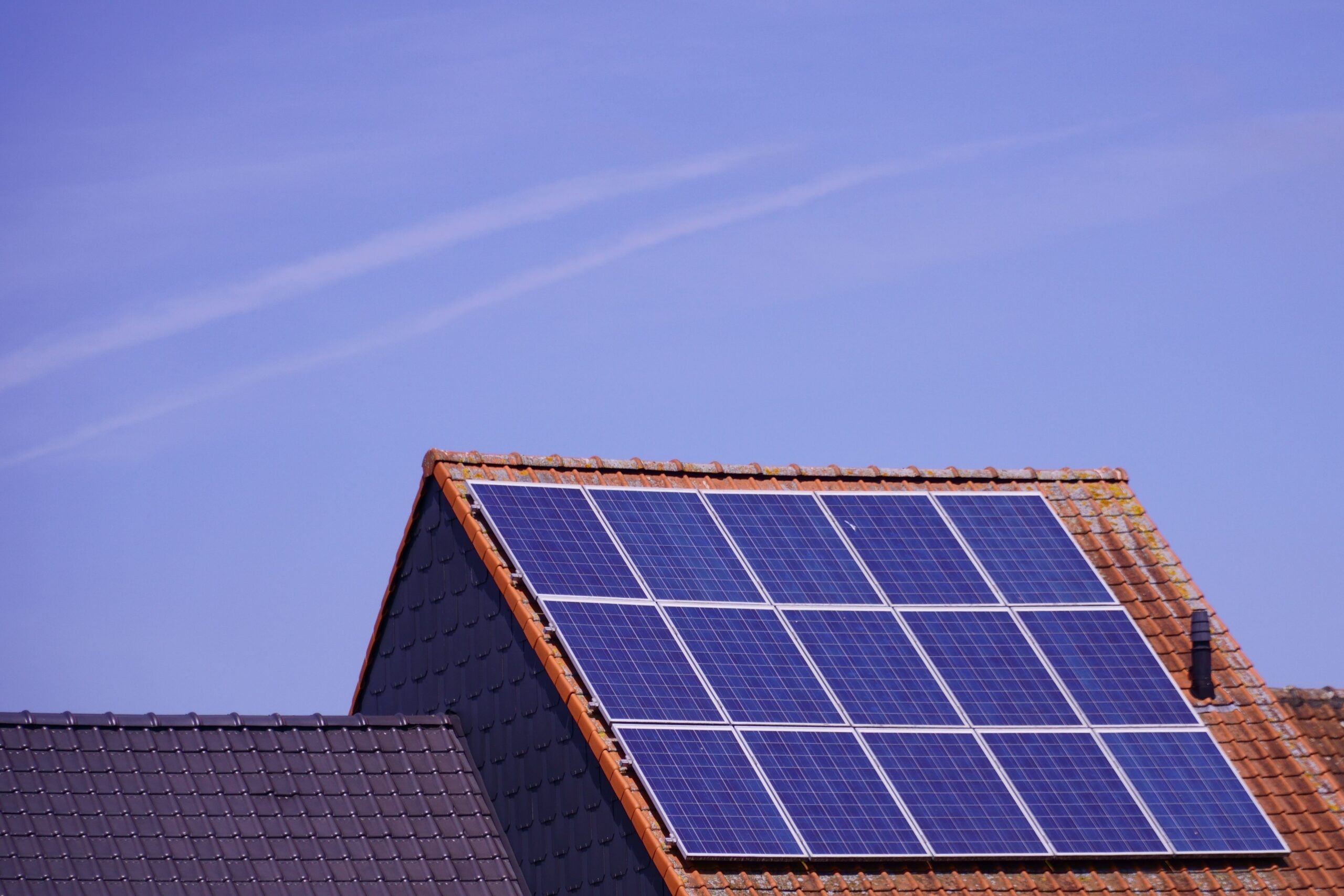
Before installing a solar power plant, it is important to answer a key question: whether the roof can withstand solar panels. Even if photovoltaic modules seem lightweight, the structure is additionally affected by mounting systems, ballast, snow, and wind loads. Without an engineering calculation, SPP installation can create risks for the roofing, load-bearing structures, and the safety of the building’s operation.
What Loads Solar Panels Create on the Roof
When designing an SPP, not only the weight of the panels themselves is taken into account. The total load is formed by several components:
- dead weight of solar modules;
- weight of mounting profiles, fasteners, and cable trays;
- ballast for flat roofs;
- snow load;
- wind load;
- additional operational loads during installation and maintenance.
For pitched roofs, the state of the rafter system, roofing material, and fastening points are critical. For flat roofs, the ballast system is of particular importance, as it can significantly increase the load on the floor slab.
How Roof Load Calculation for Solar Panels is Performed
An SPP load calculation on a roof is performed by a structural engineer. In general terms, the following are taken into account:
- panel placement area;
- mass of photovoltaic modules;
- mass of the mounting system;
- mounting or ballasting scheme;
- design snow and wind loads for the region;
- actual technical condition of load-bearing structures.
Approximately, one solar panel can weigh 20–30 kg, but the final conclusion is made not based on the weight of an individual module, but based on the total load per square meter of roof and the ability of the structures to support it.
Why You Should Not Rely Only on Roof Area
A common mistake is assuming that if there is enough space on the roof, the SPP can be installed without additional checks. In reality, the roof’s load-bearing capacity depends on:
- building type;
- year of construction;
- floor slab material;
- condition of metal or reinforced concrete structures;
- presence of corrosion, cracks, or deflections;
- previous repairs or remodeling;
- actual condition of the roofing layer.
In addition, climate loads on buildings and structures in Ukraine are established in DBN V.1.2-2:2006 “Loads and Influences”. The load-bearing elements of the cover should be calculated for constant, snow, and wind loads in accordance with the DBN requirements. Roof load calculation for solar panels is a key stage that allows determining the feasibility of safe equipment installation.
When Technical Roof Inspection is Mandatory
According to Ukrainian legislation, in particular the Law “On Regulation of Urban Planning Activities” and relevant DBNs, inspection of structures is mandatory in a number of cases:
- when structural loads change;
- for objects with an operational lifespan of over 20–30 years;
- during reconstruction or capital repairs;
- for commercial and industrial facilities;
- at the request of the designer or control authorities.
Frequently Asked Questions
Can a roof withstand solar panels if it is old?
This depends on the actual condition of the structures. For objects with an operational lifespan of over 20–30 years, the technical condition of the roof must be confirmed by an expert report. Old buildings may have worn-out load-bearing elements, corrosion of metal structures, cracks, or deformations.
How is snow load taken into account during calculation?
Snow load is determined in accordance with DBN V.1.2-2:2006 “Loads and Influences”. For different regions of Ukraine, limit values are established: south — ≈ 80–90 kg/m², central regions — ≈ 120–150 kg/m².
Conclusion
Roof load calculation for solar panels is not a formality, but a necessary engineering stage that guarantees the safe operation of your solar power plant. Professional calculation allows identifying hidden risks, selecting the right fasteners, and avoiding emergency situations. Technical roof inspection for SPP from GlobalBud Ukraine will help you get an objective assessment of your roof’s load-bearing capacity.