


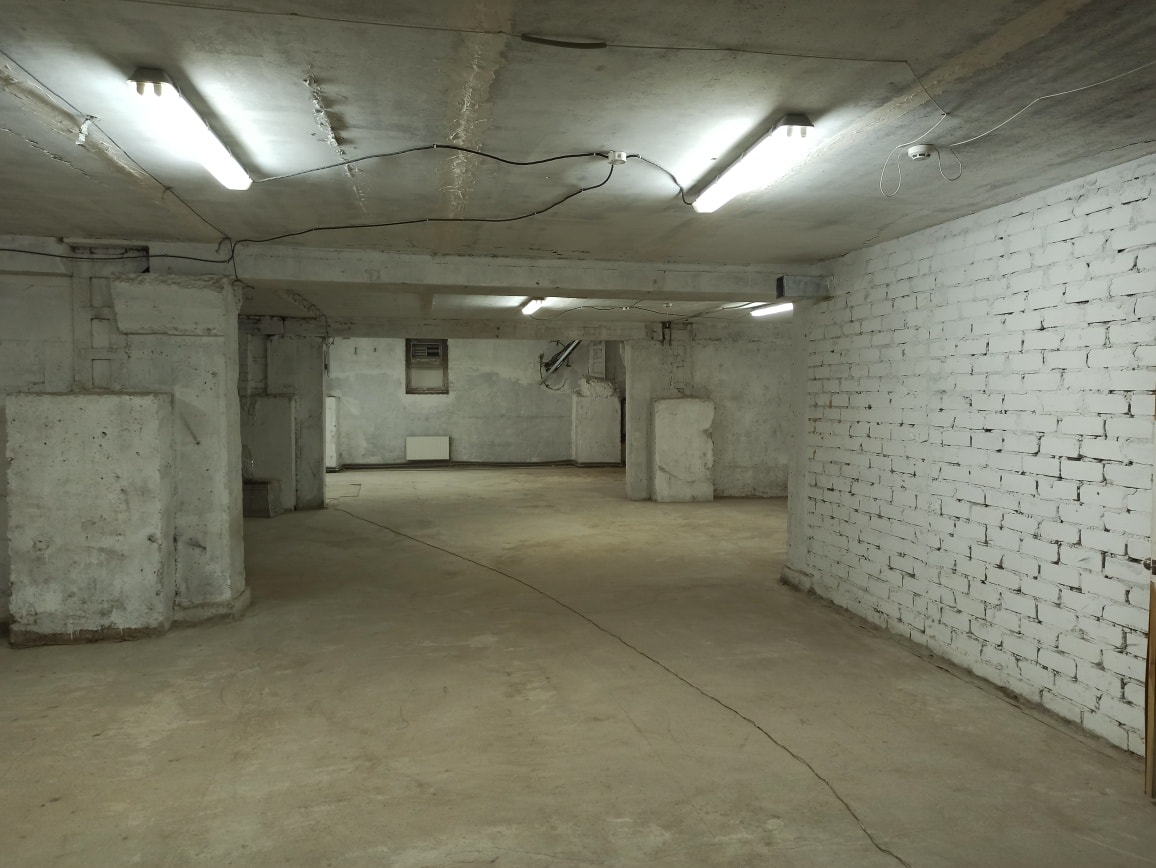

How to put a bomb shelter into operation
Commissioning of a bomb shelter (or shelter) is a more complicated and regulated procedure than for residential buildings, as the bomb shelter must meet special safety requirements. In the process of designing, building and commissioning shelters, special standards are followed, as stipulated by Ukrainian legislation.
Steps to put a bomb shelter into operation:
1. Designing a bomb shelter
To build and commission a bomb shelter, it is necessary to first develop an appropriate project that meets the standards of the State Building Regulations (SBR) for civil protection facilities:
- The design should take into account all protection requirements, including wall thickness, ventilation, water supply, sanitary conditions, evacuation exits, etc.
- The design should also include autonomous supply systems (electricity, water, heating).
2. Obtaining permits
To build a bomb shelter, you need to obtain:
- Urban planning conditions and restrictions on the design and construction of the facility.
- Permit for construction works issued by the State Inspectorate of Architecture and Urban Development (SIAU).
3. Construction.
After obtaining the permits, the construction of the bomb shelter is carried out in accordance with the approved project. Construction work must be carried out in compliance with the requirements of the State Building Code and safety standards.
4. Preparation of documents for commissioning
Upon completion of construction, the following documents must be prepared and collected:
- An act of readiness of the facility for operation signed by the construction organization or contractor.
- A technical passport for the bomb shelter, which is issued after an inventory of the building.
- Project documentation used during construction.
- An act of acceptance of engineering networks, such as power supply, ventilation, water supply and sewage systems.
5. Submission of documents to the SNRIU
To put a bomb shelter into operation, you need to submit documents to the State Inspectorate of Architecture and Urban Planning (SIAP):
- Application for commissioning.
- Technical passport.
- Act of readiness of the facility.
- Project documentation.
If the bomb shelter meets all the standards, the SACI will issue a certificate of readiness.
6. Obtaining the certificate of readiness
After checking the submitted documents and, if necessary, inspecting the shelter, the SNRIU authorities can issue a certificate of readiness. This document confirms that the bomb shelter is built in accordance with regulatory requirements and is ready for its intended use.
7. Registration of the shelter
After obtaining the certificate of readiness, it is necessary to register the shelter in the State Register of Real Estate to legalize its status.
Basic requirements for bomb shelters:
- Strong structures that can withstand the impact of blast waves.
- Ventilation systems with filters for air purification.
- Provision of autonomous power supply, water supply and sewage disposal systems.
- At least two evacuation exits for safe exit from the premises.
- Stocks of water, food and medical supplies for survival in case of an emergency.
Important regulations:
- DBN B.2.2-5:2011 “Buildings and structures. Protective structures of civil defense”.
- The Law of Ukraine “On Civil Protection…”, which regulates the requirements for shelters and protective structures.
Compliance with all these requirements is mandatory to ensure the safety and efficiency of the bomb shelter in emergency situations.
Contact GlobalBud Ukraine
Commissioning of a bomb shelter is an extremely important and responsible process that requires compliance with all safety standards and requirements of Ukrainian legislation. Bomb shelters must comply with the building codes and standards to ensure reliable protection in case of emergency.
GlobalBud Ukraine offers professional services for the commissioning of bomb shelters, which include
- Verification of the building’s compliance with all requirements of the DBN and other regulatory documents;
- Legal support of the commissioning process, including preparation and submission of all necessary documents;
- Interaction with state authorities to obtain permits and approve technical specifications;
- Assessment of the technical condition of the facility and ensuring compliance with security, ventilation, water supply and other critical engineering networks.
Our engineers and lawyers have many years of experience in construction and real estate, which allows us to guarantee the successful commissioning of the facility in compliance with all legal regulations. Contact GlobalBud Ukraine for professional support in the process of commissioning a bomb shelter.
We will ensure the prompt and high-quality implementation of all necessary procedures, which will allow you to use the facility in accordance with its intended purpose.