

Roof Waterproofing Failure: Impact on the Building
Roof waterproofing is an invisible but vital barrier that protects a building from moisture penetration. When this barrier fails, the consequences can be catastrophic — from increased humidity and mold growth to structural failure and significant financial losses. Roof waterproofing failure is a process that often goes unnoticed until it is too late. Understanding how this affects the building helps take timely measures and avoid catastrophic consequences.
How Roof Waterproofing Failure Occurs
The roof’s waterproofing layer is constantly under the influence of aggressive factors. The main causes of its failure:
- ultraviolet radiation — sunlight gradually destroys the structure of bituminous and polymer materials, making them brittle and vulnerable to cracks;
- temperature fluctuations — constant expansion and contraction of materials lead to micro-damage, which eventually turns into cracks and ruptures;
- mechanical damage — impacts, punctures, scratches, walking on the roof without proper precautions;
- moisture and freezing — water entering micro-cracks expands upon freezing, destroying the waterproofing layer from within;
- chemical impact — acid rain, aggressive substances settling from the air;
- water accumulation — stagnant water on the roof creates constant pressure on the waterproofing and accelerates its failure.
One of the main reasons for the depressurization of the roofing membrane is the dampening of the insulation and, as a result, the emergence of critical water vapor pressure rising from inside the premises.
How Roof Waterproofing Failure Affects the Building
The consequences of compromised waterproofing can be varied and interconnected:
- Moisture penetration — water enters floor slabs, walls, and insulation, causing structural dampness. This leads to a decrease in thermal insulation properties and increased heating costs.
- Mold and fungus growth — a damp environment is ideal for microorganisms, posing a threat to the health of residents.
- Rotting of wooden structures — rafters, battens, and wall plates lose strength and can deform or collapse.
- Corrosion of metal elements — rust destroys fasteners, gutters, and reinforcement, reducing structural strength.
- Concrete slab destruction — moisture causes reinforcement corrosion and delamination of the concrete protective layer.
- Damage to interior finishes — wet spots, peeling paint, peeling wallpaper.
- Risk of collapse — in critical cases, waterproofing failure can lead to loss of structural load-bearing capacity.
Expert roof inspection allows detecting waterproofing breaches at an early stage and avoiding serious consequences.
How to Detect Roof Waterproofing Failure
The first signs of waterproofing failure can be noticed during regular inspections:
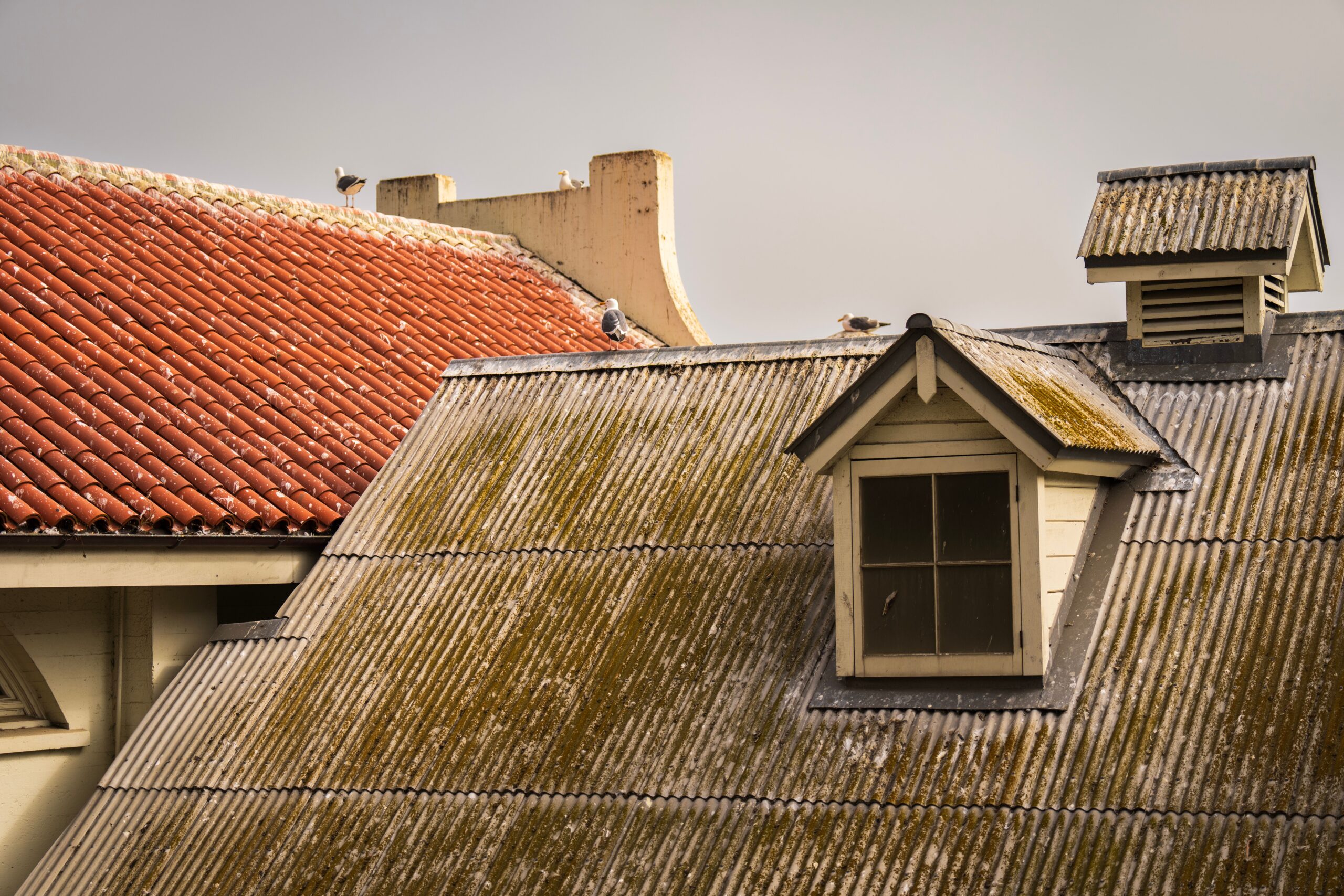
- visual signs on the roof — cracks, blistering, delamination of roofing material, discoloration, traces of moisture;
- internal signs — wet spots on the ceilings of upper floors, musty smell, mold on walls;
- in the attic — damp rafters, traces of leaks on insulation, fungus, mold;
- increased heating costs — damp insulation loses its thermal insulation properties.
For precise diagnostics, instrumental methods are used: thermal imaging to identify areas with increased humidity, moisture meters to measure material dampness, as well as visual inspection using specialized equipment. Roof expertise by GlobalBud Ukraine is a comprehensive diagnostic service that allows identifying hidden waterproofing defects before they become a cause of catastrophic expenses.
Methods for Roof Waterproofing Restoration
The choice of restoration method depends on the roof type and degree of damage:
- Local repair — fixing damaged waterproofing sections using repair compounds or patches. Suitable for minor damage.
- Major repair — replacing a significant part of the waterproofing layer, restoring airtightness of joints and flashings.
- Full waterproofing replacement — in cases where most of the material has lost its properties.
- Installing an additional waterproofing layer — over the existing one to increase reliability.
It is important to remember: local repair without eliminating the root cause of failure (e.g., poor drainage or ventilation) will be ineffective.
Prevention of Waterproofing Failure
It is much easier to prevent waterproofing failure than to spend money on restoring it:
- regular roof inspection — at least twice a year, as well as after heavy precipitation or hurricanes;
- timely cleaning of gutters — from leaves, branches, debris;
- monitoring the condition of flashing seals — around pipes, parapets, and ventilation shafts;
- protection against mechanical damage — using special walkways or ladders for walking on the roof;
- timely repair of minor damage — without waiting for them to turn into serious defects.
Frequently Asked Questions
Can roof waterproofing be restored without full replacement?
Yes, in many cases, local repair or the installation of an additional waterproofing layer over the existing one is possible. However, if the majority of the material has lost its properties (become brittle, cracked), full replacement is necessary.
How often should roof waterproofing be checked?
It is recommended to perform visual inspections at least twice a year (in spring and autumn), as well as after heavy precipitation or hurricanes. Professional inspection with instrumental measurements is recommended every 3–5 years.