

Building Deterioration After a Fire: How to Assess the Real State of Structures
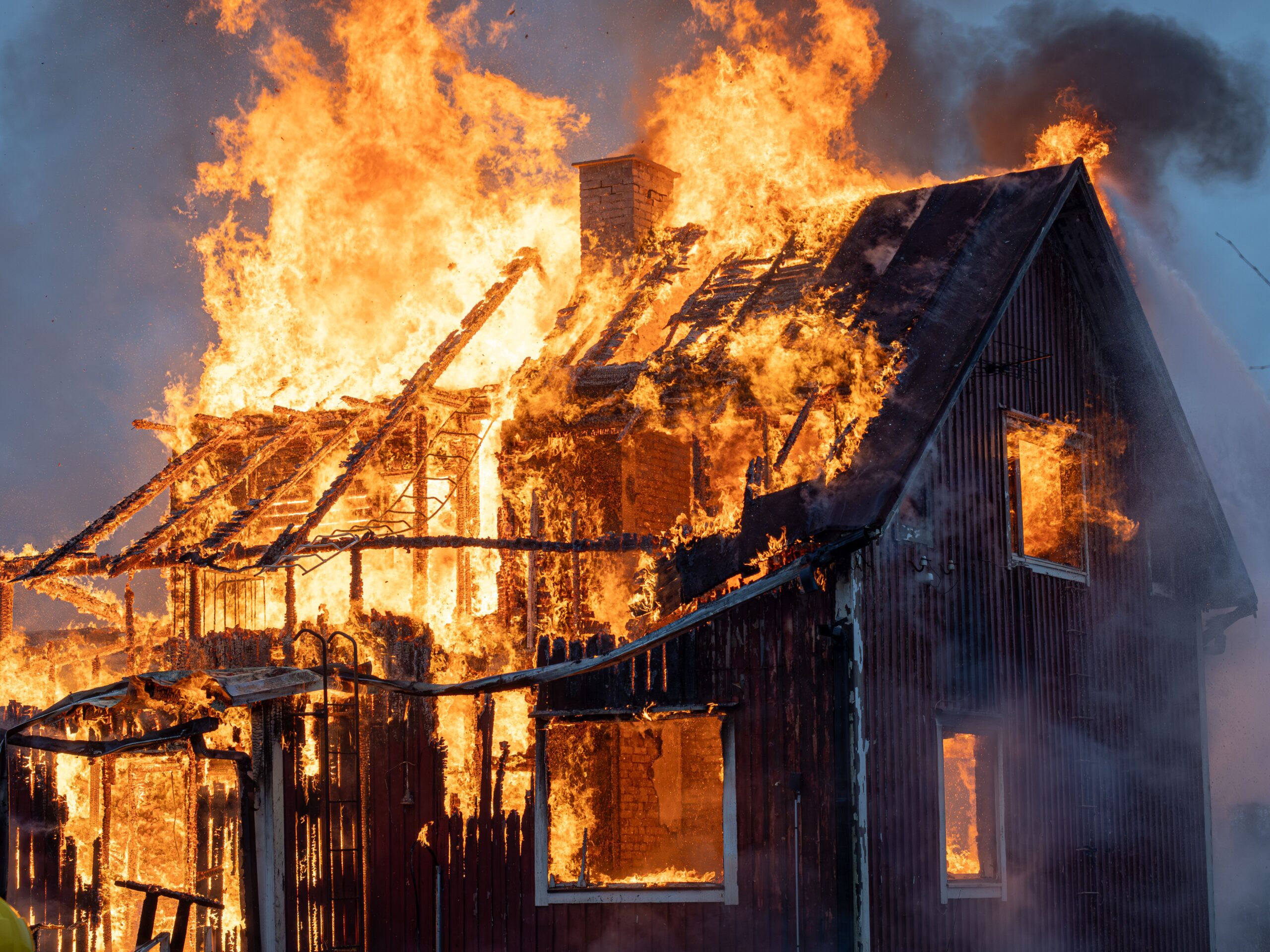
A fire is not just about smoke, soot, and burned premises. High temperatures reaching hundreds of degrees Celsius change concrete structure, weaken rebar, and deform metal elements. Even if the flames did not spread to all floors, a building may have lost its load-bearing capacity. Damage to a building after a fire is often hidden: structures may look intact, but their strength no longer meets standards. Understanding what exactly happens to materials during heating and conducting a timely inspection is a matter of safety for people in the building.
What Happens to Structures During a Fire
The impact of fire on building materials is multifactorial and depends on the burning duration, maximum temperature, and type of structure. Load-bearing structures suffer the most damage, losing strength when heated. Main damage mechanisms include:
- Loss of concrete and brick strength — when heated above 250–300 °C, concrete undergoes irreversible changes: chemically bound water evaporates, and micro-cracks form due to the temperature difference between the surface and deep layers. This leads to shedding of the surface layer, cracking, and loss of load-bearing capacity.
- Reduction in metal element strength — steel beams, columns, and trusses lose up to 50% of their strength when heated to 550–600 °C. Research shows that heating steel to 500 °C reduces strength by approximately 30%, and to 600 °C by more than 60%. This leads to visible deformations, sagging, and loss of structural stability.
- Destruction of protective layers — detachment of plaster, paint, as well as the concrete protective layer, exposes rebar to moisture and air, which accelerates corrosion processes.
- Cracking due to temperature deformations — during heating, cracks develop in walls in other areas not directly in the fire zone. Hidden defects also occur, such as internal delamination of brickwork caused by impacts and heating.
- Saturation of structures with smoke and soot — this not only complicates subsequent repair work but also creates a health hazard due to toxic compounds settling on surfaces.
Why Visual Inspection is Not Enough
Many property owners limit themselves to a surface inspection after a fire: “The walls are standing, so everything is fine.” This is a dangerous mistake. The worst-case scenario is when structures look intact but their strength is already lost. According to experts, the most frequent damages are blown-out windows and cracks in walls, but damage to the foundation is the most critical. A technical report on the building’s condition should be obtained after any damage that may have occurred due to a fire. Even if structures appear intact at first glance, there may be hidden damages that will later lead to more serious problems. Determining the residual load-bearing capacity of structures after a fire requires special knowledge and equipment, as well as verification calculations taking into account the reduction in rebar and concrete resistance.
What is Checked During a Technical Inspection After a Fire
A comprehensive technical inspection after a fire is conducted in accordance with the Methodology for surveying buildings damaged by emergency situations. Specialists perform a number of key procedures:
- Visual and instrumental inspection — identifying cracks, deformations, delamination, and signs of high-temperature exposure (concrete discoloration, melting).
- Assessment of load-bearing rebar condition — determining corrosion depth and loss of bonding with concrete, which is critical for reinforced concrete structures.
- Determination of actual material strength — using non-destructive testing methods (ultrasound, sclerometry) to evaluate the residual strength of concrete and brick.
- Checking structural geometry — measuring deflections, shifts, and deviations from vertical to identify deformations caused by temperature effects.
- Calculation of residual load-bearing capacity — based on collected data, verification calculations are performed to determine whether the structure can withstand operational loads.
Based on the inspection results, a technical report is compiled, containing an assessment of the facility’s condition, a list of identified defects, and recommendations for further operation or restoration.
How Building Restoration After a Fire Occurs
The choice of restoration method depends on the degree of structural damage:
- Local repair — replacing damaged plaster sections, restoring the concrete protective layer, and anti-corrosive treatment of rebar.
- Structural reinforcement — installing additional metal jackets on columns, placing relief beams under floor slabs, and using composite materials.
- Replacement of damaged elements — in cases where structures have lost more than 50% of their load-bearing capacity, full replacement of individual beams, trusses, or wall sections may be required.
Technical inspection of buildings and structures is a mandatory stage before starting any restoration work after a fire.
Frequently Asked Questions
Can I independently assess the condition of structures after a fire?
No. Visual inspection does not provide a complete picture. Hidden defects — loss of rebar-to-concrete bonding, internal cracks in brickwork — can only be detected using special equipment and verification calculations.
What documents confirm the possibility of further building operation?
The main document is the technical report prepared based on the inspection results. It indicates the category of structural technical condition and recommendations for further operation.