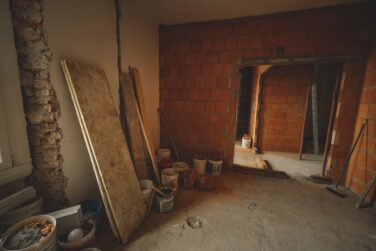


Division of a real estate object
The division of a real estate object is a process whereby one object (building, land plot, etc.) is divided into several separate parts in order to register separate property rights to them. This procedure may be relevant for residential and commercial premises, land plots and structures, and is necessary when transferring property to several persons, selling a part of the property or dividing an inheritance.
When is real estate division required?
The procedure of division of real estate is necessary in the following cases:
- Distribution of property between co-owners (for example, in the event of a divorce or division of a joint business).
- Sale of a separate part of real estate without selling the entire property.
- Transfer of certain parts of the real estate to different personsas a legacy.
- Re-registering a part of the real estate for a specific purpose, such as business or lease.
Legislative regulation
The division of real estate is regulated by the following laws and regulations:
- TheCivil Code of Ukraine – defines property rights and rules for the division of property between co-owners.
- TheLaw of Ukraine “On State Registration of Real Property Rights and Encumbrances ” – regulates the procedure for state registration of rights to real property.
- Land Code of Ukraine – sets out the rules for the division of land plots.
- State construction norms (e.g., DBN B.2.2-12:2019 “Planning and Development of Territories”) – regulates the requirements for the development of territories that should be taken into account when dividing a property.
Stages of real estate division
- Evaluation and preparation of technical documentation. This usually includes a technical opinion on the possibility of dividing the property and creating a new plan.
- Development of a division project, taking into account the State Building Standards and other requirements regarding the minimum permitted areas and other parameters.
- Approval by local authorities or the State Inspectorate of Architecture and Urban Development (in case of significant changes in the layout of the building or its functional purpose).
- Registration of the new object. After the division, each new part of the object receives its own technical passport and a separate registration number.
- Registration of ownership of the newly created objects. This stage involves registering ownership rights to each part of the real estate in the State Register of Real Estate Rights.
Features of the division of residential and commercial real estate
- Residential real estate. The division of apartments or residential buildings requires taking into account the DBN norms regarding the minimum area of rooms, as well as the requirements for separate entrances and sanitary conditions.
- Commercial real estate. The division may require additional approvals to comply with fire safety, access standards and maintenance of engineering systems.
Division of a land plot
The division of land plots has its own peculiarities, including:
- Determination of new boundaries and cadastral numbers of each of the newly created plots;
- The need to comply with the minimum dimensions for each type of plot in accordance with the State Building Regulations and the Land Code;
- Carrying out geodetic works to correctly establish the boundaries of the plots;
- Registration of each new plot in the State Land Cadastre.
Cost and terms
The cost of dividing a real estate property depends on the complexity of the property, the need for geodetic work and the cost of notary or registrar services. The timeframe depends on the speed of approval of the division project and registration procedures, but can usually last from several weeks to several months.
Assistance in the division of real estate
To ensure the correct division of real estate in accordance with the current legislation and to avoid legal risks, we recommend that you contact the specialists of GlobalBud Ukraine. Our team has extensive experience in solving such issues and will provide comprehensive support from the preparation of documentation to the registration of new objects in state registers.