


Foundation Flooding: Risks for the Building and How to Avoid Them
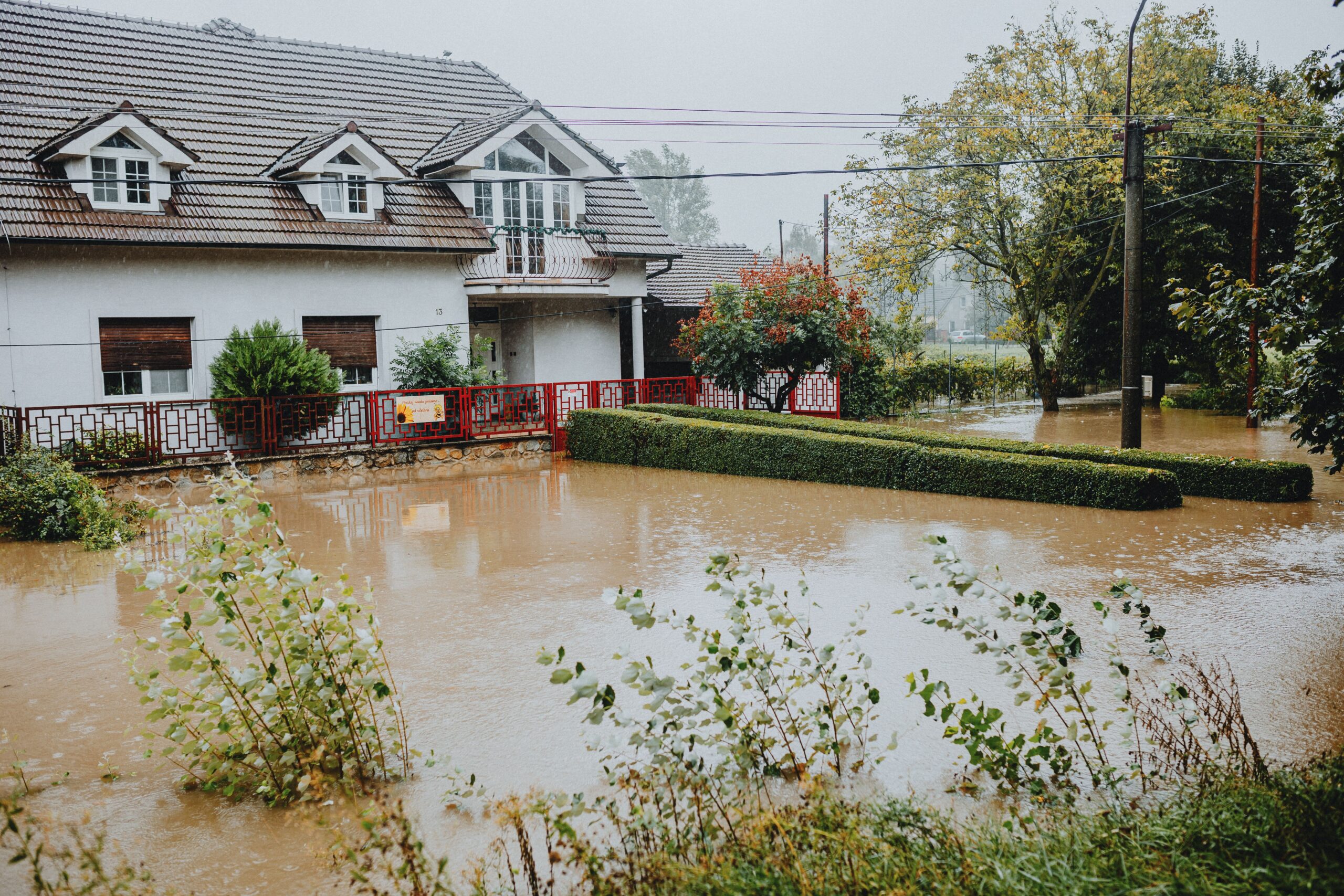
Water is the strongest enemy of any building. It invisibly penetrates concrete pores, erodes soil, causes reinforcement corrosion, and destroys the foundation from within. Foundation flooding is not just a wet basement, but a systemic threat that can eventually lead to the loss of load-bearing capacity of the entire structure. And the most dangerous part is that the consequences often become apparent only when the problem has already gone too far — cracks on the walls have appeared, door openings have skewed, or the building has started to settle.
Why Foundation Flooding Occurs
Water can enter the base of a building through various paths. According to specialists, one of the most common causes of foundation damage is improper water drainage. If gutters are directed incorrectly or missing, water accumulates near the walls and seeps into the soil. Other causes of flooding include:
- High groundwater level — seasonal or persistent rise in water level caused by changes in the hydrogeological conditions of the site.
- Destruction of the paving/apron and drainage system — surface water flows directly to the foundation.
- Breach of waterproofing — cracks or damage to the waterproofing layer allow water to freely penetrate the structure.
- Presence of collapsible soils — upon excessive wetting, they lose their load-bearing capacity.
- Underwashing of the base by atmospheric precipitation — especially in the absence of a water diversion system.
How Flooding Affects the Building
Foundation flooding is a process that has serious consequences:
- Destruction of concrete and masonry — water penetrating into the pores of materials expands upon freezing, destroying their structure from within. This is especially dangerous in climates with frequent freeze-thaw cycles.
- Reinforcement corrosion — moisture causes rust that expands in volume and tears the concrete. This leads to a loss of foundation load-bearing capacity.
- Reduction of soil load-bearing capacity — waterlogged soil becomes less dense, resists loads poorly, causing the foundation to settle.
- Mold and fungus growth — a damp environment is ideal for microorganism development, posing a health threat to residents.
- Damage to interior finishes — due to capillary water rise, moisture appears on the walls of the first floor.
It is important to remember: if the cause of flooding is not eliminated, the problem will progress. Cosmetic repairs without eliminating the water source only mask the problem without solving it.
How to Detect Foundation Flooding at an Early Stage
Timely detection of the problem allows avoiding significant repair costs. Here is what to pay attention to:
- appearance of moisture on basement walls — even minor wet spots indicate water penetration;
- smell of dampness in the basement — may indicate constant structural wetting;
- white salt deposits (efflorescence) on the walls — indicate leaching of salts from concrete and constant wetting;
- accumulation of water in the paving or near the foundation after rain — a sign of incorrect drainage;
- cracks in the foundation or walls — a signal that water has already done its destructive work.
For precise diagnostics, specialists conduct a comprehensive inspection, which includes assessing the state of the foundation, soil analysis, checking project compliance, and calculating load-bearing capacity. Inspection of building walls and foundations is a key step in ensuring the safety and reliability of the object’s operation.
What to Do in Case of Foundation Flooding
- Do not postpone the problem — the longer water contacts the foundation, the greater the scale of destruction.
- Identify the water source — whether it’s groundwater, atmospheric precipitation, or a utility rupture.
- Ensure water diversion — repair or install a drainage system, paving, or gutters.
- Order a technical inspection — specialists will assess the foundation and soil condition, determine the degree of damage, and develop a restoration plan.
- Perform waterproofing — apply waterproofing materials to basement walls and floors.
Technical inspection of buildings and structures is conducted when defects are detected during operation — if there are signs of deformation, cracks, settlement, or other problems with structures.
Prevention of Foundation Flooding
It is much easier to prevent a problem than to spend money on eliminating it:
- regular check of plumbing systems — timely detection and elimination of leaks;
- regular drainage system cleaning — from debris, leaves, soil;
- gutter system condition control — timely cleaning of gutters and pipes from debris;
- waterproofing check — regular inspection of the foundation and basement wall waterproofing layer state;
- water diversion from the foundation — ensuring proper slope of the paving/apron, installing drainage ditches.
Frequently Asked Questions
What should be done first when water is detected in the basement?
First of all, shut off the electricity in the basement to avoid short circuits. Identify the water source: if it’s a pipe rupture — shut off the water. If water is coming from outside — ensure it is pumped out and identify the cause. Use a motor pump to pump out the water. Order a professional inspection to identify the cause and develop a repair plan.
Can foundation flooding be eliminated independently?
Minor local problems (e.g., small pipe leak) can be eliminated independently. However, if flooding is caused by systemic issues (high groundwater level, drainage system damage, waterproofing failure) — professional intervention is necessary. Incorrect repairs can worsen the situation.
What standards regulate foundation protection from water?
In accordance with building standards (e.g., DBN V.2.1-10:2018 “Foundations and Substructures of Buildings and Structures”), protection of building structures from groundwater and atmospheric precipitation must be provided during foundation design.