

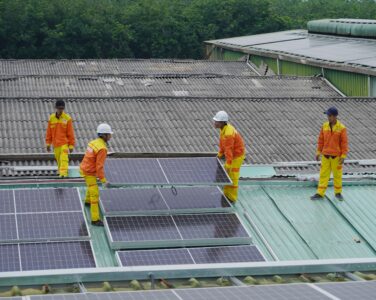
Roof Inspection Before Installing a Solar Power Station in Dnipro
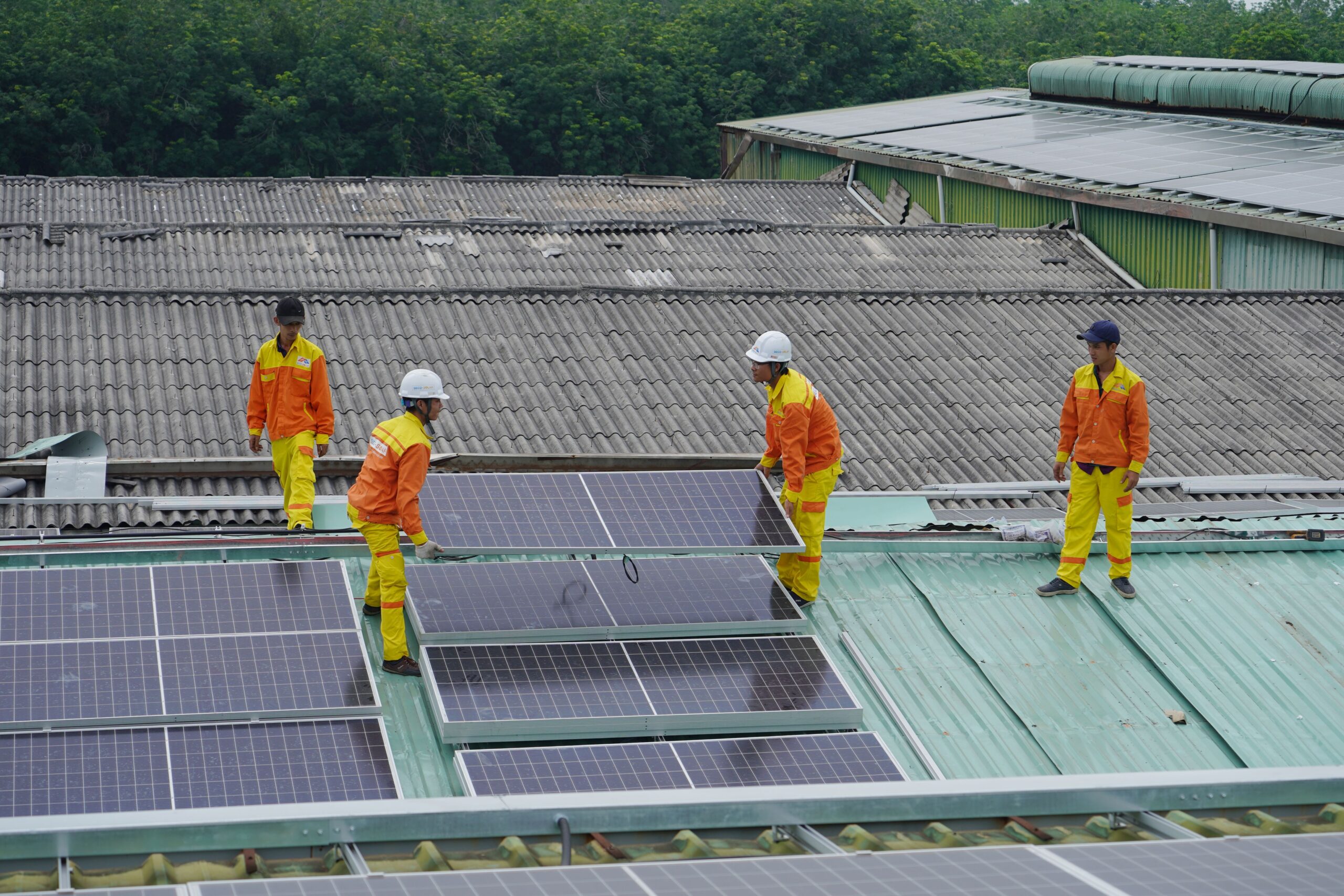
Dnipro, as one of Ukraine’s most powerful industrial, logistical, and business centers, is actively integrating renewable energy sources today. Owners of manufacturing enterprises, warehouse complexes, business centers, and private cottages are massively installing solar power stations (SPS), striving to minimize business downtime due to power outages and reduce electricity bills. However, successful generation depends not only on the efficiency of the panels themselves, but also on the reliability of the structure they rely on — your roof.
Climatic and Industrial Specificity of Dnipro Roofs
The geographical location of Dnipro dictates specific climatic challenges. The city is characterized by significant wind loads, especially in areas adjacent to the river and in open industrial zones. Roofs of local buildings endure substantial tests over the years from sharp temperature drops, summer heat, and elevated humidity. Installing a solar power station radically changes the thermal and physical balance of the sub-roofing space. Very often during installation, owners fail to account for the condition of existing insulation and vapor barriers. When panels shade the roof, the dew point shifts.
If thermal insulation is compromised or mounts are installed with the formation of “thermal bridges,” condensation will begin destroying the structure from within. To eliminate these concealed risks prior to work commencement, an apartment (or commercial premises) thermal imaging check is highly effective. Thermal imaging audits work impeccably for diagnosing flat roofs and attic floor assemblies, uncovering vulnerable spots before large-scale installation work begins.
Hidden Threats: From Sail Effect to Floor Slab Fatigue
A mid-sized commercial solar station with an area of 200–300 square meters can add from 3 to 5 tons of permanent weight to a roof. For flat roofs, ballast mounting systems (with concrete blocks) are frequently utilized, increasing weight manifold since drilling into the membrane is prohibited. Furthermore, panels possess a massive “sail effect.”
During strong Dnipro winds, panel mounts transmit uplift (dynamic) loads directly to structural roof elements — metal trusses, wooden rafters, or concrete slabs. If a building exhibits concealed structural defects or was erected without an adequate safety margin, such loads can prove fatal.
Sometimes owners may notice alarming signals inside the premises even before deciding on an SPS, yet ignore them. For instance, if you notice cracks on the ceiling. An engineering audit will deliver a clear answer: whether these cracks stem from foundation settlement or slab fatigue, and whether this structure can be loaded at all with the additional weight of a solar station without preliminary major reinforcement.
Legal and Technical Safety of Your Project
The SPS installation process inevitably demands rigorous intervention in the roof structure. During the audit, engineers thoroughly inspect the condition of load-bearing profiles, welded seams, the integrity of concrete floor slabs, and the quality of the waterproofing carpet.
To obtain a comprehensive picture and genuine safety guarantees, the property owner must order a professional technical inspection of buildings and structures, conducted by certified experts utilizing specialized equipment. The result of such verification is not merely verbal advice from a foreman, but a full-fledged engineering roof conclusion — an official document for safe SPS installation. This conclusion serves as your primary argument and legal insurance policy when dealing with installation contractors.
If the document clearly calculates precisely which mounts to use, what maximum panel inclination angle is permissible to reduce wind load, and where to position them, the risk of damaging the roof is reduced to zero. Investing in solar energy in Dnipro, bet on reliability.
A preliminary expert roof inspection is the single correct step that will save your funds on future repairs and ensure multi-year uninterrupted generation of clean electricity.