

Classification of the Degree of Damage to an Object CC1–CC3: What These Letters Mean for Your Building
During the war, many Ukrainians heard the terms “consequence class CC1, CC2, CC3” for the first time. But what do they mean? And most importantly, how do they affect your ability to restore damaged housing and receive compensation? The classification of the degree of damage to an object CC1–CC3 is a system that helps determine how serious the building damage is and what actions need to be taken.
What are consequence classes CC1, CC2, CC3
The consequence (responsibility) class of a building or structure determines how serious the consequences of its collapse could be. This classification is the foundation of the entire Ukrainian building code system.
- CC1 — objects with minor consequences. These include: single-family private houses; residential buildings up to 4 stories; mobile homes; small public buildings; small retail enterprises. With constant or periodic presence of people — up to 50 persons.
- CC2 — objects with moderate consequences. These are residential buildings up to 100 meters high, as well as other buildings where risks are more significant. The number of people is from 50 to 1000.
- CC3 — objects with significant consequences. These are the most critical structures, the collapse of which can lead to large loss of life or significant material damage.
How CC1–CC3 classification affects the restoration of a damaged object
The classification of the degree of damage to an object CC1–CC3 determines not only the building category but also the approach to its restoration:
- For CC1 objects (minor consequences) — the restoration procedure is generally simpler. Damages are assessed, and if they are not critical, the building can be repaired under a simplified procedure.
- For CC2 objects (moderate consequences) — requirements for inspection and restoration are stricter. A detailed technical conclusion and, possibly, design documentation for restoration are required.
- For CC3 objects (significant consequences) — the highest requirements apply. Restoration of such objects requires a comprehensive approach, involvement of qualified engineers, and the development of a detailed project.
In addition, the consequence class affects the possibility of receiving compensation. Different procedures and compensation amounts may apply for objects of different classes. A technical conclusion containing the classification of damage is a mandatory document for seeking assistance. GlobalBud Ukraine helps owners of damaged housing determine the damage class of their object and obtain the necessary documents. Order a technical inspection with damage classification.
How the degree of damage to an object is determined
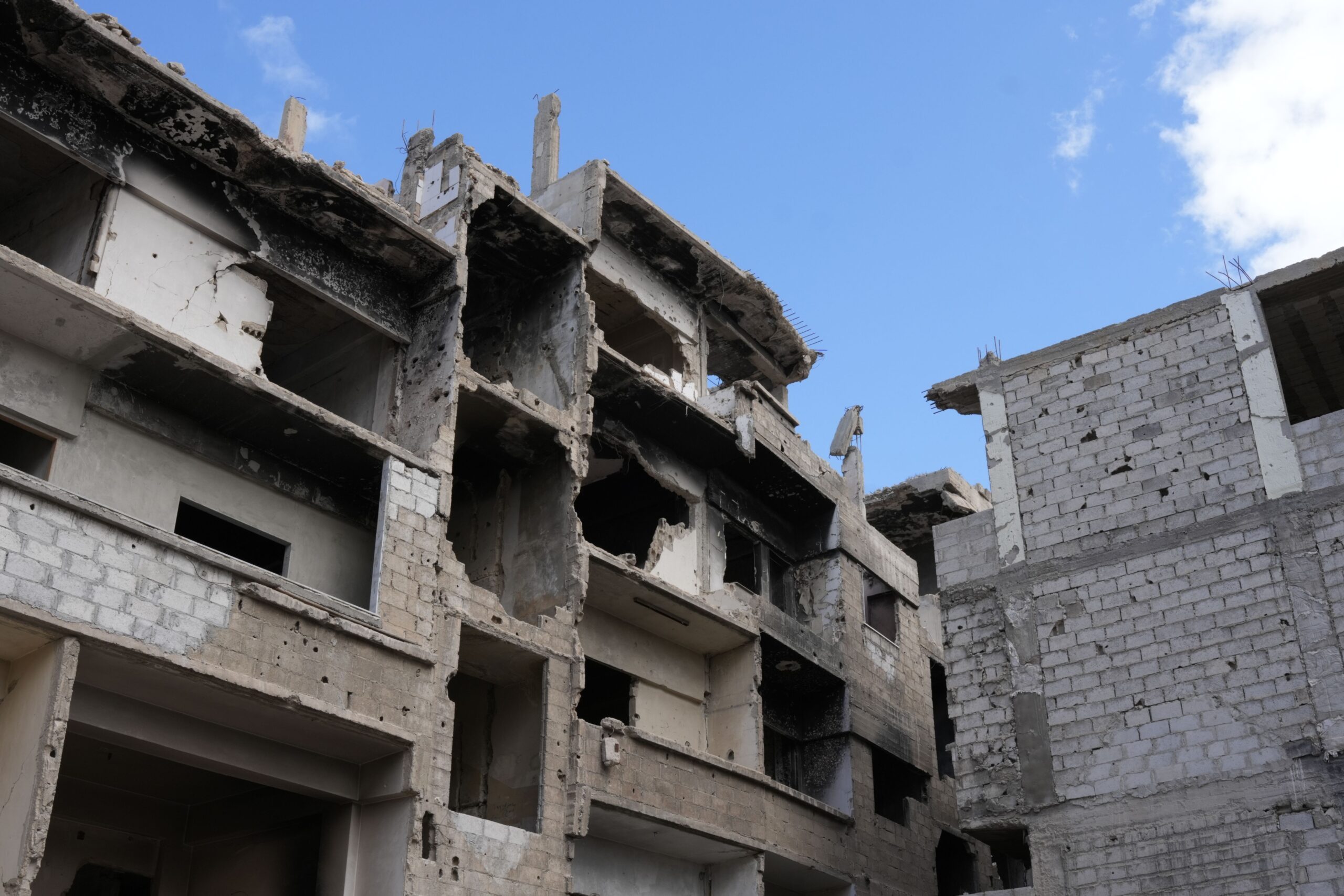
The degree of damage to an object is determined by the results of a technical inspection. Specialists evaluate:
- damage to load-bearing structures — whether the building has retained its load-bearing capacity, whether there is a risk of collapse;
- damage to enclosing structures — how seriously walls, roofing, and partitions are damaged;
- damage to engineering systems — whether utilities are working, whether there is any danger of gas leaks or electrical short circuits;
- overall percentage of wear and destruction — what percentage of the building requires repair or replacement.
Based on the inspection results, a technical conclusion is compiled, which contains:
- classification of the degree of damage to the object CC1–CC3;
- list of identified defects and damages;
- recommendations for restoration or demolition;
- prognosis of the further state of the building.
Frequently Asked Questions
Does the CC1–CC3 class affect the compensation amount?
Yes, it does. Different approaches to calculating compensation apply to objects of different classes. In addition, the consequence class affects the complexity of the restoration procedure and, accordingly, the cost of works.
Who determines the damage class of an object?
The damage class is determined by qualified engineer-experts based on the results of a technical inspection. It is impossible to determine the damage class independently.
What to do if I do not agree with the determined damage class?
You have the right to contact another expert organization for a re-inspection. You can also appeal the conclusion in court.
Conclusion
The classification of the degree of damage to an object CC1–CC3 is not just bureaucratic letters. It is an important tool that helps determine the real state of your building, plan restoration, and receive compensation. Understanding this classification gives you control over the situation and helps make the right decisions. GlobalBud Ukraine has experienced engineers who will conduct the inspection, determine the damage class of your object, and help you on the path to recovery. We are by your side in this difficult time. Learn more about damage classification and housing restoration.