

Inspection of Destroyed Real Estate in Khmelnytskyi: What to Do When a Home Becomes Unfit for Living
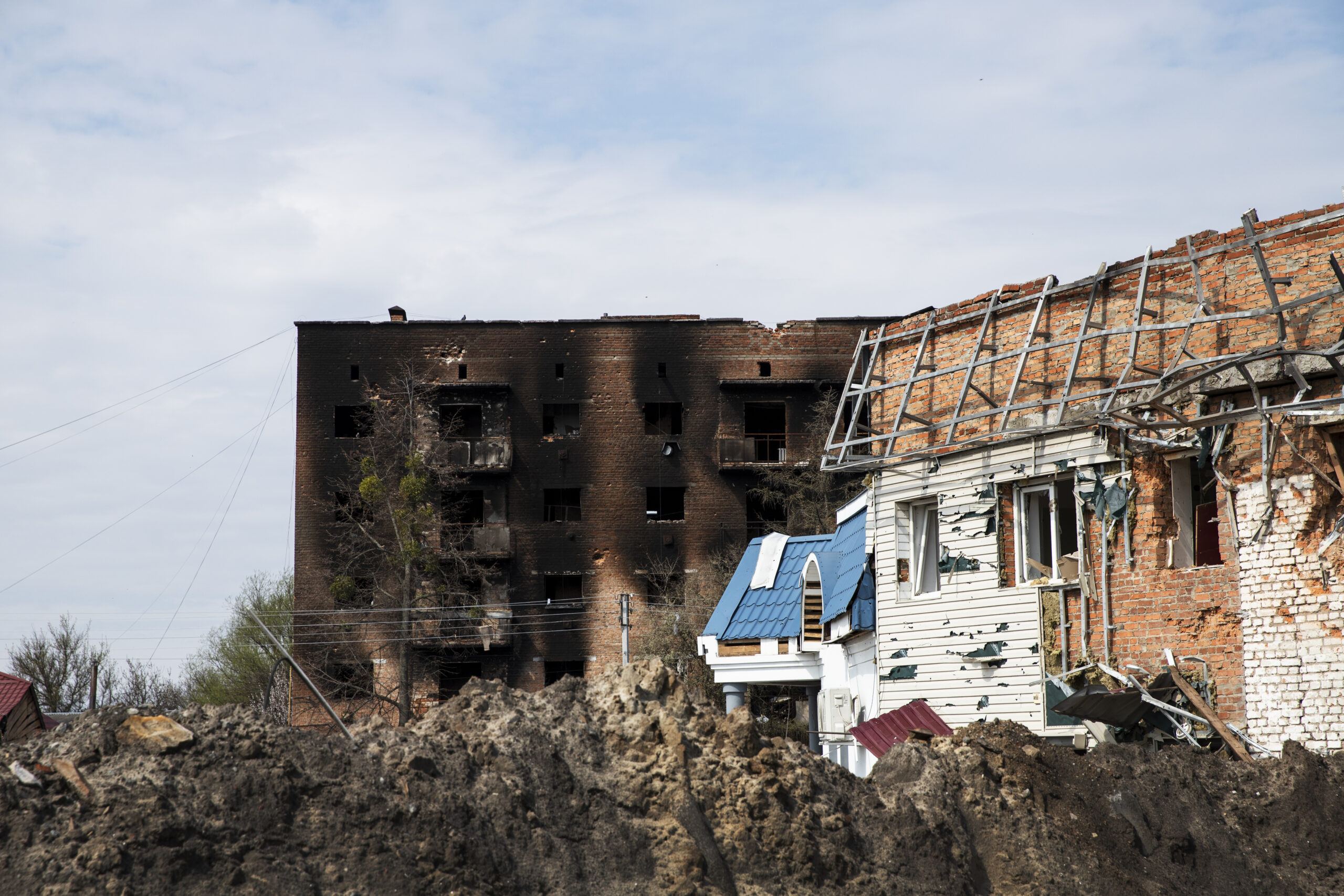
Khmelnytskyi region has repeatedly felt the destructive power of war. The explosions that rang out in various corners of the region left behind destroyed residential buildings, damaged enterprises, shattered windows, and mutilated facades. Thousands of families lost their roofs over their heads or were left without normal living conditions. For these people, the most important thing now is to get a clear answer: whether their housing can be restored or if everything will have to be built from scratch. It is precisely this kind of answer that a professional technical inspection of destroyed real estate provides.
When an Inspection is Indispensable
After any shelling, even if the damage seems minor, it is important to conduct technical diagnostics. This is especially true in cases where:
- apartment buildings are affected — where there are shared structures, the risks for all residents are the same;
- you plan to apply for state assistance or insurance compensation;
- you want to sell damaged property or, conversely, buy a destroyed object for subsequent restoration;
- you are not sure whether it is safe to stay in the building at all.
Inspection helps avoid tragedies: hidden cracks in load-bearing structures can lead to collapse even without visible load.
Most Commonly Identified Defects
Based on the practice of working with objects damaged as a result of hostilities, experts most often record:
- Shattered windows and doors — this is not only a comfort issue but also a violation of the building’s airtightness, leading to dampness in internal structures.
- Cracks on facades and at slab joints — evidence of the impact of the blast wave, which could weaken load-bearing elements.
- Roof damage — due to debris or pressure drops, creating a risk of leaks.
- Hidden reinforcement deformations — they can only be detected using ultrasonic testing.
Micro-cracks in concrete pose a particular danger; they are invisible to the naked eye but can cause a loss of strength over time. Instrumental methods, in particular thermal imagers and flaw detectors, are mandatory to detect them. Read about how a thermal imaging check helps identify hidden defects in our article.
Inspection Stages
The technical inspection procedure in Khmelnytskyi includes the following stages:
- Preliminary analysis of documentation (if available) and determination of the scope of work.
- Visual inspection of the building, recording all visible damage.
- Instrumental diagnostics: geodetic measurements, thermal imaging scanning, ultrasonic material testing.
- Calculations of residual strength, determination of the technical condition category.
- Preparation of a technical report with recommendations for restoration, reinforcement, or demolition.
What the Customer Receives
Upon completion of the inspection, the owner receives a technical report — an official document that records:
- the actual condition of the building and individual structures;
- a list of defects with references to building codes;
- calculations of residual load-bearing capacity;
- the technical condition category (operable, limited operable, emergency, unfit);
- specific recommendations for further actions.
The report is registered in EDESSB, which gives it legal validity. This allows it to be used for submitting compensation claims, in court proceedings, or when interacting with local authorities. The process of preparing a technical report on the destruction of a building or structure is an integral part of the work. In cases where destruction is critical, the dismantling or demolition of buildings and structures will be required, which also demands technical justification.
Cost and Timeframe
Each object is individual, so the cost of the inspection is determined after an expert’s visit. The price is influenced by the area, number of floors, degree of damage, and the need to use special equipment. The timeframe for execution depends on the complexity of the work, but usually does not exceed a few days for a single object. GlobalBud Ukraine provides a full cycle of technical inspection of real estate objects with report registration in EDESSB.
Frequently Asked Questions
What defects are most often left unnoticed during a regular inspection?
The most dangerous are micro-cracks in concrete structures, disruption of the bond between reinforcement and concrete, and hidden damage to thermal insulation. They can only be detected using special equipment.
Is it possible to conduct an inspection if the building is partially destroyed?
Yes, the inspection is carried out even on objects with significant destruction. Experts assess the residual load-bearing capacity of surviving structures and determine whether they can be used for restoration.
How long to wait for the result?
The timeframe for preparing the technical report depends on the scope of work, but usually ranges from 1 to 5 working days after the completion of field measurements. Registration in EDESSB takes an additional 1-2 days.