


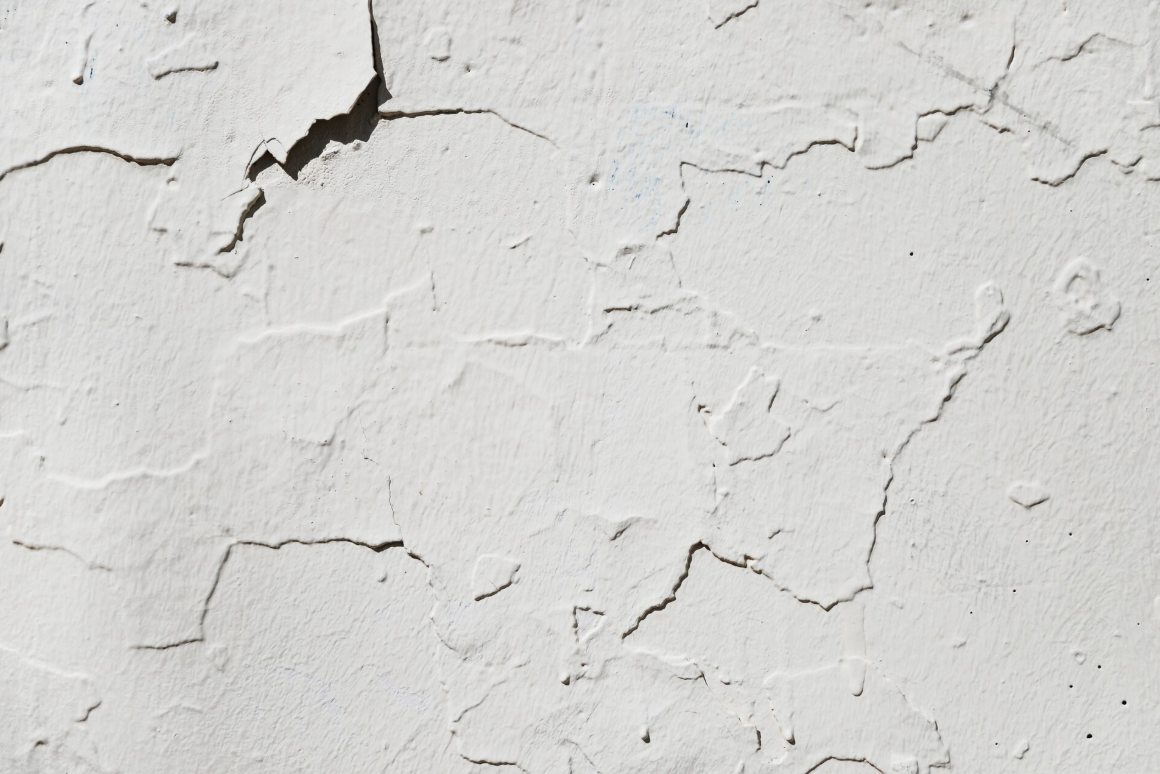
Cracks in Plaster: When It Is Dangerous
Cracks on walls are probably the most common defect real estate owners face. And most often, they appear specifically on plaster. But are cracks in plaster always just a cosmetic flaw, or can they signal serious structural problems? The answer depends on the nature of the crack, its origin, and dynamics. Understanding these nuances helps to identify danger in time and avoid significant repair costs.
Why Cracks Appear in Plaster
Plaster is a finish layer that protects walls and gives them an aesthetic look. It is sensitive to any deformation of the base, humidity changes, and temperature fluctuations. The main reasons for cracks appearing in plaster can be divided into two groups: technological (related to the quality of work execution) and structural (related to building deformations). Technological reasons (non-structural):
- Violation of application technology — for example, applying a layer of plaster that is too thick and does not dry evenly. This leads to the appearance of superficial “spiderweb” cracks.
- Improper surface preparation — poor dust cleaning, lack of priming, insufficient wetting of the surface before applying the mortar.
- Rapid drying — cracks arise due to an excess or lack of water in the mortar, as well as rapid drying under the influence of drafts or high temperature. Gypsum plaster cracks when the application technology is violated and the surface is prepared improperly.
- Poor-quality materials — use of expired or unsuitable mixtures.
Structural reasons (dangerous):
- Building settlement — a natural process that occurs in the first years after construction. This can cause cracks, but they are usually stable and do not progress.
- Deformation of walls or foundation — if cracks in the plaster appear suddenly, have a clear direction, and diverge from the corners of window or door openings, this may indicate uneven settlement of the foundation or deformation of load-bearing walls.
- Violation of vapor permeability — the use of materials with different vapor permeability can lead to moisture accumulation under the plaster and its delamination.
How to Distinguish Dangerous Cracks in Plaster from Safe Ones
The main rule: it is not the crack itself that is dangerous, but what it may signal. Here are the key criteria for evaluation:
- Crack depth — if the crack only runs through the superficial layer of plaster, it is likely a technological defect. If it penetrates deeper, to the brick or concrete, it is already a signal of base deformation.
- Direction and shape — cracks diverging from the corners of window or door openings at a 45° angle often indicate uneven settlement. Vertical cracks may indicate settlement. Horizontal ones — soil pressure or overloading.
- Dynamics — if the crack does not change over a long period (six months to a year), it is likely stable. If it expands or new cracks appear, it is an alarming signal.
- Location — cracks on load-bearing walls are more dangerous than on partitions. In the case of non-load-bearing walls, even deep cracks are permissible (they often constitute an exclusively aesthetic problem); only cracks caused by structural deformation pose a threat.
If wall cracks suddenly appear in your home, they may be a symptom of a deeper structural problem. Finer, hairline cracks are quite common and usually do not cause concern.
What to Do When Detecting Cracks in Plaster
- Assess the nature of the crack — determine if it is superficial or penetrates deeper. If it is a thin “spiderweb,” it is most likely a technological defect.
- Install a control beacon — if you suspect the crack might be structural, stick a strip of paper or plaster across the crack and observe it for a month.
- Pay attention to associated signs — are there problems with opening doors and windows? Have cracks appeared on other walls? This could indicate a systemic problem.
- Order a technical inspection — if the crack expands, has a depth of more than 0.5 cm, or causes you doubts, professional inspection is necessary.
A technical inspection allows determining whether the crack in the plaster is a result of load-bearing structure deformation or just a cosmetic defect. Inspection of building walls and foundations helps to identify hidden problems that can lead to serious consequences.
How to Eliminate Cracks in Plaster
The choice of elimination method depends on the nature of the crack:
- Technological cracks — are chiseled out, primed, and filled with a repair compound, followed by puttying and painting.
- Structural cracks — before eliminating the crack, it is necessary to identify and eliminate the cause of its appearance (foundation reinforcement, wall strengthening, etc.). Only after this can plaster repairs be performed.
It is important to remember: cosmetic repairs without eliminating the cause will be ineffective. If the foundation continues to deform, the crack will reappear.
Frequently Asked Questions
Can I fill a crack in the plaster myself?
Small surface cracks can be repaired independently using repair compounds. However, if the crack is a result of structural deformation, it is necessary to first conduct an inspection and eliminate the root cause.
How often do cracks in plaster indicate problems with the foundation?
The sudden appearance of cracks, especially diagonal ones diverging from the corners of windows or doors, may indicate uneven foundation settlement. This is one of the most dangerous causes, requiring immediate professional inspection.