

Changing the functional purpose of the premises
Changing the functional purpose of a premise is a legal and technical procedure that involves the official transfer of a real estate object from one type of use to another. For example, it may be the conversion of residential premises into non-residential premises, or vice versa. Such a change is necessary for the legal use of the premises in accordance with its new purpose, as well as for further transactions (lease, sale, construction, etc.).
The main reasons for changing the functional purpose of the premises:
- Business purposes – opening an office, shop, salon or other type of commercial activity in a premise that was registered as residential.
- Change of living conditions – transfer of non-residential premises to the housing stock if it is planned to use it for permanent residence.
- Requirements to building codes – to comply with the State Building Code and other regulations governing the use of premises.
Stages of changing the functional purpose of the premises:
- Collection of title documents. First, you need to prepare all the documents confirming the ownership of the premises. These may include:
-a purchase and sale agreement;
-certificate of inheritance;
-a court decision or other documents confirming the ownership of the object. - Preparation of technical documentation. Changing the functional purpose may require the development of new technical documentation. For this purpose, a technical inventory of the premises is carried out, and a new technical passport is prepared, taking into account the changes related to the new purpose of the premises.
- Obtaining permits from local authorities. According to the law, in order to change the functional purpose of the premises, it is necessary to obtain a permit from the local authorities or other competent authority (depending on the region). This may include:
a decision of the local council or executive committee;
approval of the architectural department (if the premises are located in a building of architectural or historical value). - Change of the designated purpose of the land plot (if necessary). If the premises are located on a land plot that has a different designated purpose (e.g., for residential construction), it may be necessary to change the designated purpose of the plot by amending the State Land Cadastre.
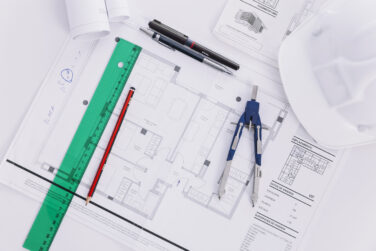
- Development of a reconstruction project (if necessary). If the change of functional purpose requires redevelopment or reconstruction, it is necessary to develop project documentation in accordance with the State Building Standards (SBS) and obtain the appropriate approvals from the architectural and construction authorities.
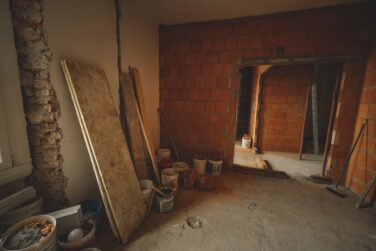
- Obtain a construction passport or a reconstruction permit. If the premises are to be reconstructed as a result of a change in the purpose of the premises, it is necessary to obtain a construction permit or a construction passport. This requires approval from the state architectural and construction control authorities.
- Registration of changes in the State Register of Real Property Rights. After all the work is completed and the necessary documents are obtained, the change of functional purpose must be registered in the State Register of Real Property Rights. Registration can be done through a notary or a state registrar.
Regulatory framework:
- The Civil Code of Ukraine regulates ownership and use of real estate.
- The Law of Ukraine “On State Registration of Real Property Rights and Encumbrances” defines the procedure for registering changes in the functional purpose of real estate.
- State Construction Norms (SBN) – regulates the requirements for the technical condition and operation of premises after changing their functional purpose.
- The Law of Ukraine “On Regulation of Urban Development Activities” – defines the procedure for obtaining permits for reconstruction and other construction works that may be related to the change of use of premises.
The cost of the procedure:
The cost of changing the functional purpose of the premises depends on many factors:
- administrative fees for registration of changes in the registers;
- payment for the development of project documentation;
- costs of technical inventory and expert assessments;
- costs of approvals and permits from local authorities.
Contact GlobalBud Ukraine
Changing the functional purpose of a premise is a complex process that requires knowledge of law and construction engineering. Successful completion of the procedure guarantees the legality of using real estate for new purposes, which will protect your investment and ensure compliance with the law.
GlobalBud Ukraine will provide you with full legal and engineering support at all stages of changing the functional purpose of your premises, ensuring efficient and safe resolution of all issues.