


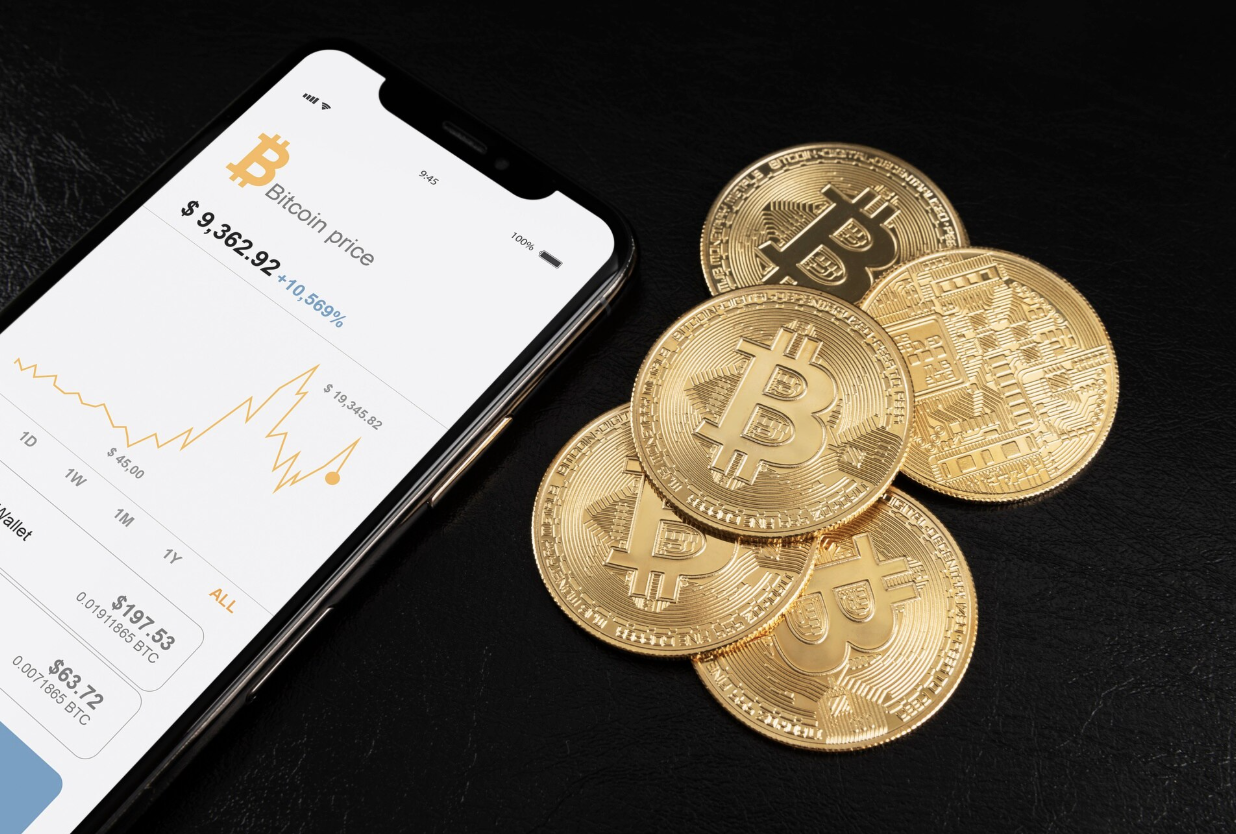

How to Combine Rental Income with Cryptocurrency Portfolio Growth
Rental real estate and cryptocurrencies are two assets that at first glance seem like opposites: one is conservative and stable, while the other is volatile and high-risk. However, combining them can create a powerful investment portfolio that delivers both regular passive income and capital appreciation potential. How can you effectively integrate rental income into a crypto strategy?
Current State of the Ukrainian Rental Market
The rental market in Ukraine in 2026 is demonstrating impressive dynamics. Rental demand in Kyiv significantly outpaces purchasing interest. Modern properties — new developments with high-quality renovations — are valued highest. Rental rates in 2026 have increased substantially:
- One-bedroom apartments in Kyiv — on average UAH 17,500–18,300 per month (+6–14% over six months).
- Two-bedroom apartments — UAH 27,000 per month (+13% over six months).
- Three-bedroom apartments — UAH 44,435 per month (+10% over six months).
The capital’s most expensive districts are Pecherskyi (up to UAH 35,000/month) and Shevchenkivskyi (up to UAH 30,000/month). In Desnianskyi or Sviatoshynskyi districts, one-bedroom apartments can be found for UAH 10,000–11,000. At the same time, it is vital to account for taxes: rental income is taxed at 18% Personal Income Tax (PIT) + 5% military levy — totaling 23% of gross income.
Strategies for Combining Rental Income and a Crypto Portfolio
Strategy 1: Rental Income → Dollar-Cost Averaging (DCA) into Crypto
The simplest strategy is channeling regular rental income into recurring monthly cryptocurrency purchases via Dollar-Cost Averaging (DCA). For instance, receiving UAH 18,000 in monthly rent allows you to allocate a portion toward Bitcoin or Ethereum every month, smoothing out exchange rate volatility. Advantages: systematic investing without emotional decision-making; leveraging tenant-funded cash flow to accumulate digital assets. Disadvantages: obligation to pay rental income tax (23%), which reduces net investable capital.
Strategy 2: Crypto Profits → Real Estate → Rental Yield → Reinvestment
A cyclical strategy: you take profits from crypto market rallies, acquire real estate, lease it out, and reinvest the rental cash flow back into digital assets. This establishes a closed loop where each asset class fuels the growth of the other. Example: Locking in $50,000 in Bitcoin profits allows you to acquire a one-bedroom apartment in Kyiv. Leasing it at UAH 18,000/month (approx. $450) yields a net monthly income of ~$346 after taxes (23%), which is then systematically dollar-cost averaged back into crypto.
Strategy 3: Rental Property as a “Hedge Asset”
Cryptocurrency markets experience sharp drawdowns. During market downturns, rental property acts as a stabilizing hedge — continuing to generate physical fiat cash flow regardless of crypto market cycles. This prevents panic-selling crypto holdings at market bottoms due to liquidity shortages, allowing you to patiently hold until the next bull cycle.
How to Maximize the Efficiency of This Strategy
- Select liquid real estate. Purchase apartments in high-demand rental locations — city centers, near metro stations, or in modern developments with turnkey finishes. This ensures steady occupancy and rapid liquidation if necessary.
- Diversify your crypto portfolio. Do not deploy all rental yield into a single token — distribute capital across Bitcoin, Ethereum, and promising altcoins.
- Account for tax obligations. Rental income is subject to a 23% tax rate. Furthermore, off-ramping crypto back to fiat triggers capital gains tax (18% PIT + 1.5% military levy on net gains). Factor these tax liabilities into your financial planning.
- Automate execution. Set up recurring automated crypto purchases on exchanges immediately upon receiving monthly rental payments. This eliminates emotional bias and enforces disciplined investing.
The Role of Professional Technical Audits by GlobalBud Ukraine
As our experts emphasize, rental business success depends directly on physical property quality. A unit with hidden structural defects (facade insulation issues, ceiling cracks, faulty MEP systems) will not only command lower rental rates but also incur unexpected repair costs that erode net yield. The company advises conducting an independent technical inspection of the property before purchasing. This identifies latent defects prior to deal signing, ensuring long-term rental business stability and profitability. You can also explore our detailed guide on technical apartment inspections.
Frequently Asked Questions (FAQ)
What percentage of rental income should be invested in cryptocurrency?
Allocating 30–50% of net rental income (after taxes and utility costs) into cryptocurrency is recommended. The remainder should fund emergency reserves (maintenance, insurance, vacancies) and traditional assets (deposits, bonds) to maintain a healthy balance between growth and risk mitigation.
What is the average rental yield in Kyiv, and does it cover inflation?
Effective rental yields in Kyiv stand at 4.8–5.2% annually. While slightly below inflation rates, the primary value of rental real estate lies in combining current cash flow with long-term capital appreciation (8–12% per year) and overall portfolio diversification.
Can cryptocurrency be used as mortgage collateral for rental property acquisitions?
In Ukraine, crypto-backed mortgages are not yet widespread due to regulatory gaps. Conversely, in jurisdictions like the US, Bitcoin or USDC can back mortgage financing. In Ukraine, investors currently must off-ramp crypto into fiat to acquire real estate.
How will the rental market evolve in 2026?
Analysts project continued rental rate growth, particularly for high-quality units in new developments. Demand remains elevated due to internal migration and limited access to affordable mortgage financing. However, net rental yields are expected to remain stable within the 5–7% per annum range.
What taxes apply to rental income if I intend to invest it in crypto?
Rental income is taxed at 23% (18% PIT + 5% military levy). If you later off-ramp the cryptocurrency purchased with this yield back to fiat, additional capital gains tax applies — 18% PIT + 1.5% military levy on net gains (the difference between disposal and acquisition prices). Careful tax planning is essential.
Conclusion
Combining rental real estate with digital assets is an effective strategy for investors seeking equilibrium between security and upside potential. Rental property delivers steady cash flow to fund crypto accumulation, while cryptocurrency offers asymmetric capital expansion. GlobalBud Ukraine is prepared to serve as your trusted partner in constructing a balanced portfolio — from legal Due Diligence on acquisitions to comprehensive engineering audits, ensuring your rental enterprise operates efficiently for years to come. Reach out to GlobalBud Ukraine to maximize your capital performance.