


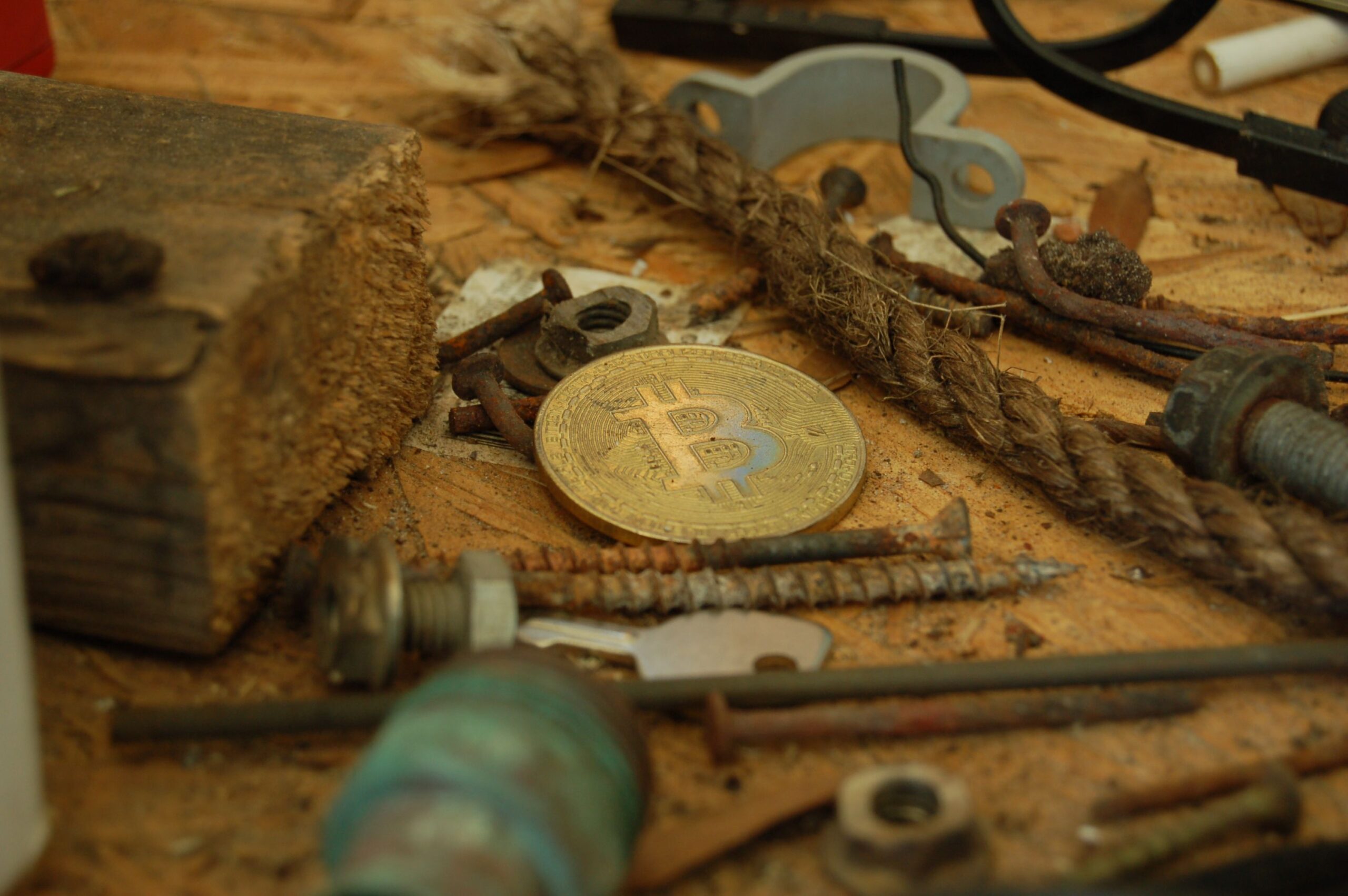

How Blockchain is Transforming Property Rights Registration: Transparency and Investment Security
For centuries, the real estate title registration system relied on paper archives, notary seals, and complex bureaucratic procedures. This created an ideal environment for corruption, corporate raiding, and dual-sale apartment scams. With the advent of blockchain technology, the real estate market has been presented with an opportunity for global transformation. By 2027, decentralized registries and smart contracts are steadily emerging as the new security standard. But how precisely does the underlying technology of Bitcoin safeguard your square meters, and can digital code entirely replace traditional engineering supervision?
Tokenization and Smart Contracts: A New Tier of Legal Cleanliness
Blockchain is a distributed database where information cannot be forged, retroactively altered, or deleted. In the real estate sector, this technology operates via two core mechanisms:
- Smart Contracts: Digital algorithms that automatically execute agreement terms. For instance, ownership title transfers to the buyer the exact second full payment lands in the seller’s account. This entirely eliminates the “human factor” and risk of fraud.
- Asset Tokenization: Real property is converted into a digital token (analogous to a share). You can purchase a fractional token rather than an entire apartment, democratizing real estate investing even with minimal capital.
Several nations (e.g., Georgia, Sweden, the UAE) have already successfully integrated blockchain into state property registries, rendering the registration process instantaneous and 100% transparent.
Digital Security Does Not Replace Physical Quality Control
Blockchain flawlessly protects your legal rights, but a smart contract cannot evaluate whether the walls in your new apartment are plumb. Code will not verify proper window installation or check for leaking pipes. Therefore, regardless of how advanced the purchasing mechanism is, baseline engineering oversight remains irreplaceable. To ensure your blockchain-secured investments do not disappoint in reality, always schedule an apartment handover inspection from the developer. Engineering specialists equipped with specialized gear will uncover hidden flaws invisible to the naked eye. For instance, a highly effective tool is a thermal imaging apartment scan. This guarantees your new home is not only legally sound, but also warm and energy-efficient.
Frequently Asked Questions (FAQ)
Can a property ownership record be forged on the blockchain?
No. To alter a single record, hackers would need to simultaneously compromise over 50% of all computers (nodes) across the global network, which is technically and economically impossible.
How do smart contracts solve the “dual-sale” problem?
Blockchain logs transactions in real time. Once an apartment (or token) is sold to a buyer, the system instantly blocks any concurrent attempts to convey the same asset to another party.
What happens to my apartment if I lose my crypto wallet password?
If interacting with a state-backed blockchain registry, recovery protocols exist via identity verification (KYC). In the case of decentralized (private) tokens, losing your seed phrase can mean permanent forfeiture of asset access.
Are notary services necessary when utilizing smart contracts?
In an ideal blockchain model, a notary is redundant since the system autonomously verifies the transaction. However, during the transitional regulatory phase (such as in Ukraine today), notary attestation remains a mandatory statutory requirement.
Can an apartment in an older Soviet-era building be tokenized?
Technically yes. However, the economic rationale of tokenization applies primarily to commercial real estate and premium new residential developments.
Expert Support from GlobalBud Ukraine
Blockchain technology renders the real estate market more transparent, but it does not construct buildings. The quality of your apartment depends entirely on contractors and builders. GlobalBud Ukraine serves as your bridge between digital security and physical asset quality. Our structural engineers will conduct a professional technical audit, expose all construction defects, and help draft a legally compliant snagging list (defect act). Invest innovatively, but leave physical structural safety to the professionals!