

Determining the Technical Condition of a Building in Uzhhorod
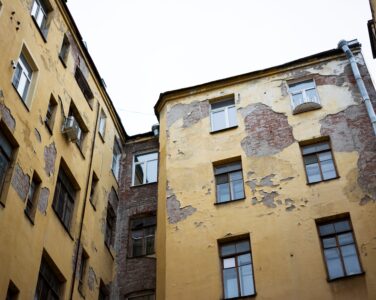
Uzhhorod is a city where water has become the main enemy of buildings. Situated in the valley of the Uzh River, it features a high groundwater level that creates a constant threat to foundations. Moisture rises up the walls, causing mold, reinforcement corrosion, and the gradual destruction of masonry. Add to this complex soils prone to uneven settlement and the first-ever drone attacks in May 2026, and you obtain a city where the technical condition of buildings requires constant monitoring.
Sources of Danger: Water and Time
In Uzhhorod, buildings suffer from several factors simultaneously that reinforce one another.
The first — groundwater. The high groundwater level in the Uzh valley creates constant pressure on basements and foundations. If waterproofing is executed suboptimally or damaged over time, moisture finds its way upward. It destroys brickwork, causes reinforcement corrosion, and creates an ideal environment for mold and fungus.
The second — karst processes. As in many western regions, Uzhhorod has zones with karst strata that are washed out by water, forming cavities. This leads to uneven foundation settlement — one part of the building can settle faster than another, causing cracks and deformations.
The third — the age of development. A significant part of Uzhhorod’s housing stock consists of buildings erected back in Soviet times. Their utility networks have long since exhausted their lifespan, and structures require thorough verification.
Why a Technical Conclusion in Uzhhorod Is Not a Luxury, But a Necessity
Determining the technical condition of a building in Uzhhorod is a comprehensive procedure that allows identifying problems before they become critical. Special attention is paid to:
- Foundation waterproofing. Its condition and ability to protect the building from moisture are verified.
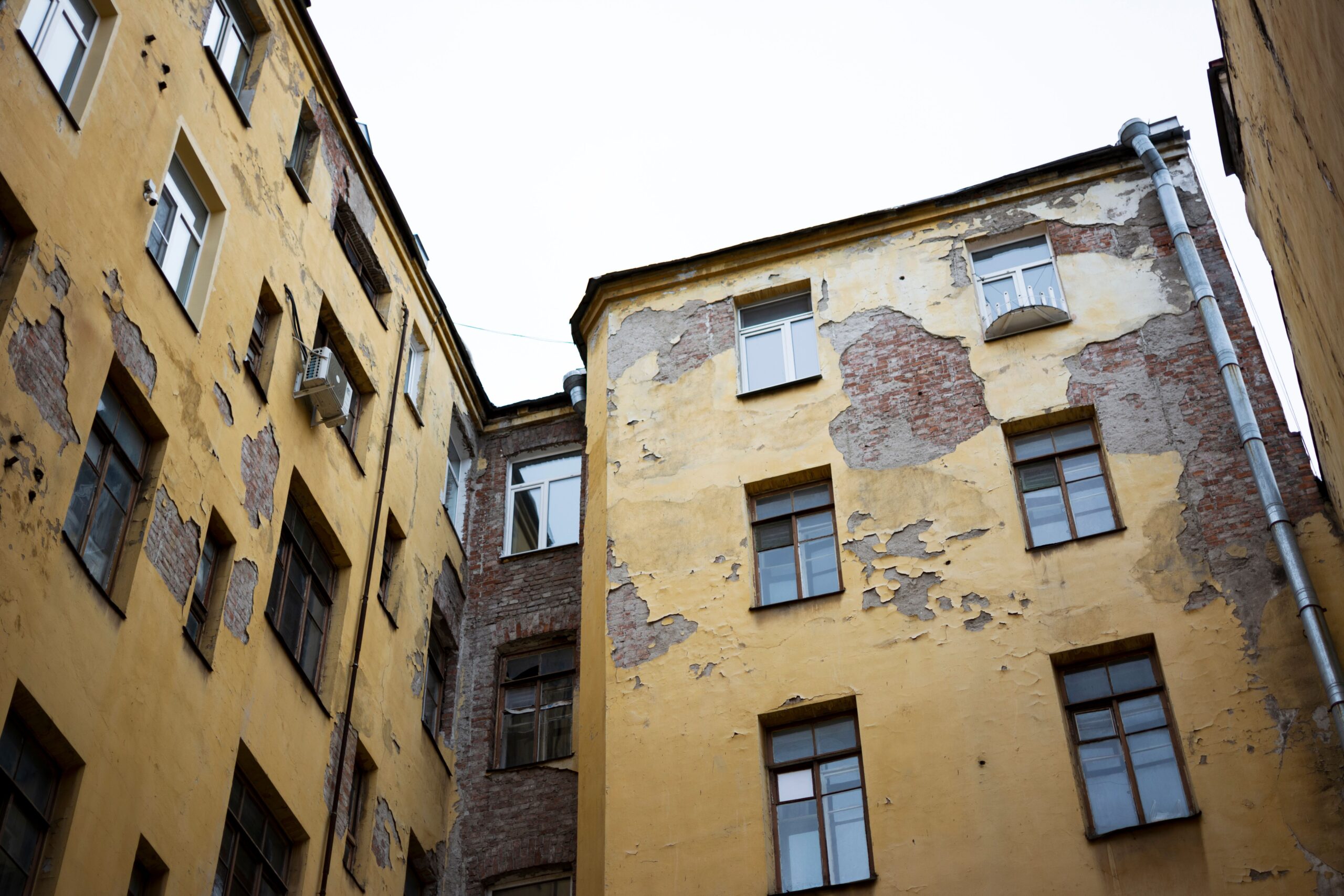
- Condition of load-bearing structures. The presence of cracks, deformations, and corrosion traces is evaluated.
- Humidity levels in walls and floor assemblies. Moisture metering allows uncovering concealed moisture that destroys structures from within.
- Thermal insulation. Thermal imaging inspection uncovers thermal bridges and thermal insulation breaches (read more in the article about apartment inspection with a thermal imager).
When Should You Sound the Alarm?
- Appearance of mold or a persistent damp odor. This is the first sign that moisture has penetrated inside structures.
- Wall or ceiling cracks. Learn how to recognize dangerous cracks in the article “Ceiling Cracks — Is It a Floor Assembly Problem?”.
- Doors or windows that stop closing. This can indicate structural deformation.
- Following shelling. Even if your house did not sustain a direct hit, the blast wave could have damaged structures.
Following the completion of all studies, you receive an official technical conclusion. This is a document possessing legal force. It contains a detailed description of structural condition, a list of discovered defects, an evaluation of the building’s residual lifespan, and recommendations regarding repairs or reinforcement. Determining the technical condition of a building is a comprehensive service that helps preserve your home and protect investments.
Frequently Asked Questions (FAQ)
Does proximity to the Uzh River impact the condition of buildings?
Yes, and this is one of Uzhhorod’s key specificities. High groundwater levels create a constant load on foundations and waterproofing. If waterproofing is damaged, moisture rises up the walls, destroying structures and creating conditions for mold.
How long does preparing a technical conclusion take in Uzhhorod?
For a standard apartment — 3-5 working days. For large buildings or properties with significant damages — up to 2 weeks.
Can moisture problems be identified without specialized equipment?
Partially — you can notice mold, a damp odor, or water traces. But the exact humidity level within structures can only be determined utilizing a moisture meter and thermal imager.
What documents are required to order a technical conclusion?
It is sufficient to provide access to the property and title documents (if available). The rest is gathered independently by specialists during the inspection.
Can the technical conclusion be utilized in court?
Yes, this is an official document possessing legal force. It can be utilized as evidence in judicial disputes, in particular during conflicts with developers or insurance companies — read about this in the article about apartment defects from the developer.