

Cracks in Facade Thermal Insulation: Causes, Diagnostics, and Repair Methods
Facade thermal insulation is a complex multi-layer system that protects a building from heat loss and environmental impact. Cracks in facade thermal insulation are one of the most common defects, which not only spoil the building’s appearance but also indicate a breach in the integrity of the entire insulation system. Through cracks, moisture penetrates the insulation, reducing its thermal insulation properties, and in winter, it destroys the material upon freezing. Understanding the causes of cracking and repairing them in a timely manner is the key to facade durability.
Why Cracks Appear in Facade Thermal Insulation
Cracks in facade thermal insulation can occur for various reasons, and correctly identifying the source of the problem is the foundation for effective repair. Main causes:
- Installation technology violations — insufficient reinforcement, absence or incorrect implementation of expansion joints, poor-quality application of adhesive and plaster layers. If the reinforcing mesh has low alkali resistance or is improperly embedded in the adhesive layer, cracks appear as early as the first years of operation.
- Thermal deformations — significant temperature fluctuations cause expansion and contraction of materials. If expansion joints are missing in the system, stresses arise that tear the plaster layer.
- Building settlement — a natural process that occurs in the first years after construction. Uneven settlement of different parts of the building creates stress in the facade system.
- Moisture impact and freezing — water entering material pores expands upon freezing, destroying the structure of the plaster and insulation.
- Low-quality materials — use of cheap plaster mixes, insufficient insulation strength, or incompatibility of materials between different system layers.
- Mechanical damage — impacts, vibrations, wind impact with dust particles, which cause surface erosion over time.
How to Detect Cracks in Facade Thermal Insulation
Timely detection of cracks helps prevent serious damage. Here is what to pay attention to during inspection:
- Visual signs — linear tears on the plaster surface, especially at the joints of insulation boards, around window and door openings, and in building corners.
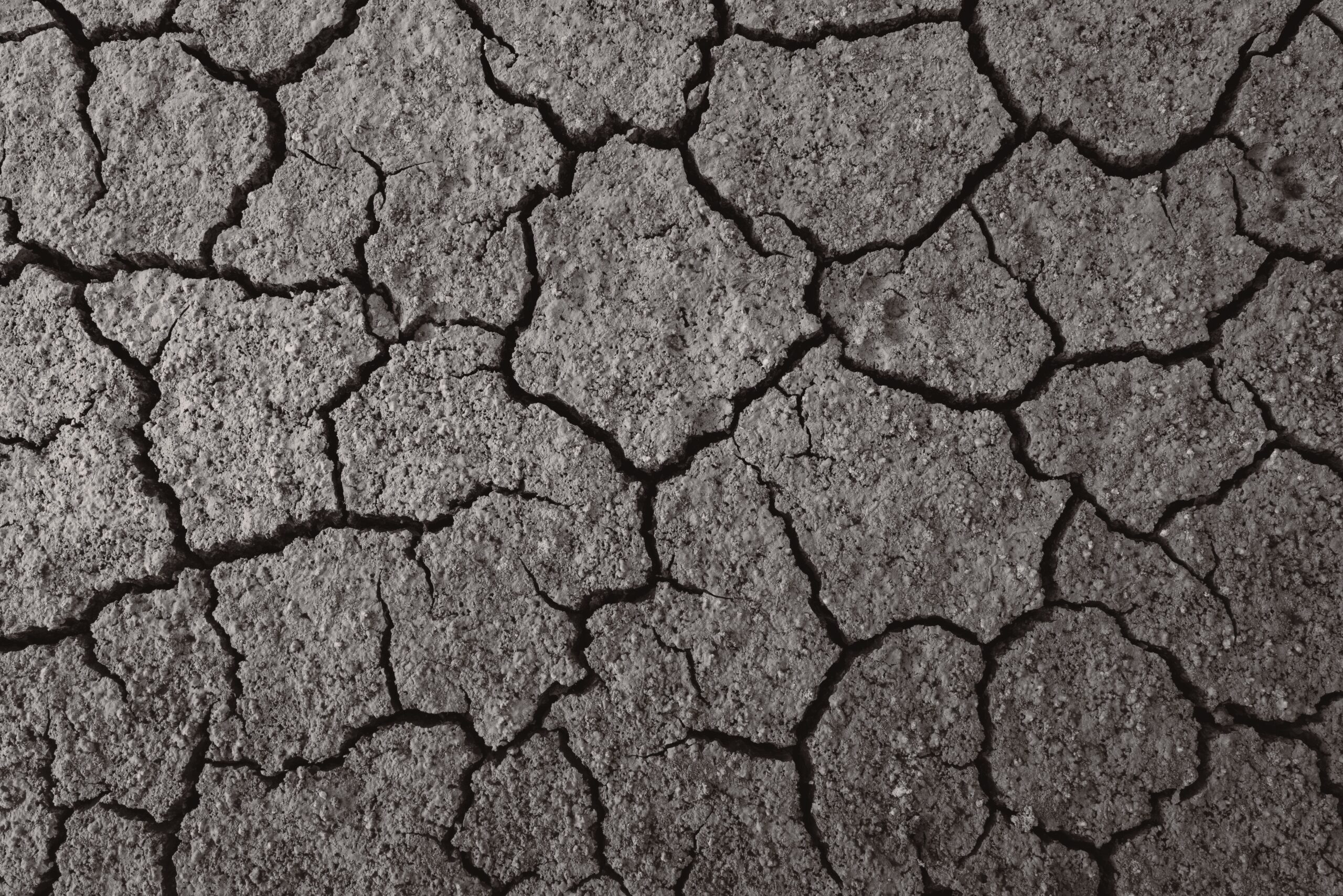
- Network of fine cracks — so-called “crazing” indicates surface deformations, often caused by the wrong material choice or violation of finishing layer application technology.
- Opening of joints — cracks running along the lines of insulation board joints indicate insufficient reinforcement or lack of expansion joints.
- Tapping the surface — a dull sound may indicate delamination of the plaster layer from the insulation.
For precise diagnostics, instrumental methods are used. Thermal imaging of the facade allows detecting areas with compromised thermal insulation, thermal bridges, and hidden defects not visible to the naked eye. A moisture meter helps determine the level of moisture in structures and identify damp areas. Professional technical facade inspection allows accurately determining the cause of cracking and assessing the scale of damage.
Consequences of Ignoring Cracks in Facade Thermal Insulation
If measures are not taken in time, cracks can lead to serious problems:
- Moisture penetration — through cracks, water gets into the insulation, reducing its thermal insulation properties and causing additional heating costs.
- Insulation destruction — dampened insulation loses its structure, settles, and ceases to perform its function.
- Corrosion of reinforcement and fasteners — moisture penetrating through cracks causes corrosion of the metal elements holding the facade system.
- Further crack expansion — under the influence of frost and moisture, cracks increase, which can lead to the delamination of entire plaster sections.
- Deterioration of building appearance — an aesthetic problem that reduces property value.
Comprehensive building inspection helps identify hidden defects and avoid significant financial expenses in the future.
How to Repair Cracks in Facade Thermal Insulation
The choice of repair method depends on the type and depth of the cracks:
- Superficial minor cracks — opened, primed, and filled with an elastic repair compound, followed by painting.
- Deep cracks with damage to the reinforcement layer — require removing the damaged plaster section, restoring the reinforcing mesh, and applying a new layer.
- Cracks at insulation board joints — require additional reinforcement or the installation of expansion joints.
- Systemic cracks caused by building deformation — require a comprehensive approach with prior structural inspection and elimination of the root cause.
It is important to remember: cosmetic sealing of cracks without eliminating the cause of their appearance will only delay, not solve, the problem. In cases where cracks have appeared due to structural deformation, a comprehensive inspection of the entire building is necessary. Technical inspection of buildings and structures allows determining the cause of deformation and developing an effective recovery plan.
Frequently Asked Questions
Can I seal cracks in facade thermal insulation myself?
Minor surface cracks can be fixed independently using repair compounds. However, if the cracks are deep, accompanied by plaster delamination, or appear in various parts of the facade — a professional inspection is necessary to determine the cause and select the correct repair method.
How to prevent cracks in facade thermal insulation?
Prevention includes: adhering to installation technology, using high-quality materials, installing expansion joints, proper reinforcement, as well as regular facade inspections for timely detection of minor damage.