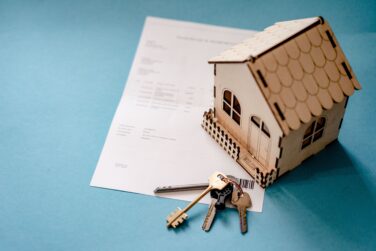


What to Check During Apartment Acceptance: A Detailed Engineering Checklist for the Investor
Receiving a notification from a developer about the building’s readiness for commissioning triggers the most critical mechanism in the real estate buying process. The question of what to check during apartment acceptance arises before every owner who strives to protect their investments. Many people mistakenly believe it is enough to just check if the doors close, if the windows are intact, and if there is water in the tap.
However, modern objects in Kyiv and the region (Irpin, Bucha, Vyshneve) are being built using complex monolithic-frame technologies that require strict adherence to technological regulations. Any deviation from DBN norms is a time bomb for your future renovation and budget. Therefore, one must approach the inspection process having a clear action plan and professional measuring equipment, or by enlisting the support of independent experts from the GlobalBud Ukraine company.
Inspection of Basic Structures: The Foundation of Your Renovation
The first and most important audit stage is a deep check of the premises’ geometry and the integrity of load-bearing elements. It is the rough base that will determine how much money you spend on preparing the apartment for final finishing. The check is carried out using high-precision laser axial plane builders. Your attention or that of your engineer should be focused on the following critical indicators:
- Geometry and quality of floor screed. The screed should not delaminate from the base (the “hollowing” sound when tapping indicates the presence of voids), should not have deep cracks and height differences. If you turn a blind eye to this, laying parquet or laminate will become impossible without expensive pouring of leveling mass.
- Evenness of brick or monolithic masonry. Slanted walls will lead to the impossibility of quality installation of kitchen cabinets without gaps. Moreover, the presence of serious structural defects, about which we wrote in detail in the material on cracks in load-bearing walls, can indicate dangerous building settlement processes.
- Presence of damper (compensation) joints along the perimeter of the premises and in doorways. Without them, the screed will inevitably crack during thermal expansion in the process of housing operation.
If substantial deviations from state regulations are detected during the inspection of basic structures, they must be immediately entered into an official act. Fixing a crooked screed by your renovation crew will cost tens of thousands of hryvnias, while the developer, with competent legal pressure, is obliged to perform these works absolutely free of charge.
Communications and Microclimate: Invisible but Critical Zones
The second block of checks concerns engineering networks and microclimate provision in the home. The weakest points of modern new buildings are window structures and ventilation systems. Contractors often save on mounting materials, not using hydro- and vapor barrier tapes around window frames. As a result, the mounting foam quickly deteriorates from moisture, and in winter, you get freezing slopes and drafts.
No less important is the diagnostics of air exchange and electrical systems. It is mandatory to measure the draft in ventilation shafts. Construction debris left in ventilation ducts or design errors often lead to the emergence of backdraft. To protect yourself from dampness and black mold, an instrumental check of ventilation in the apartment with an anemometer is carried out, which gives accurate indicators of airflow speed. The electrical panel also requires an expert look: the correctness of phasing, the reliability of the grounding loop, and the functionality of residual current devices (RCD) are checked using specialized testers.
Comprehensive Approach to Real Estate Inspection
Thus, the answer to the question of what to check during apartment acceptance lies in a comprehensive engineering audit of every centimeter of your new home. An independent visual inspection will never give you a full picture of the object’s technical state. The attempt to save money on calling a certified engineer is a flawed strategy that subsequently turns into colossal financial losses during the active phase of renovation. Involving independent experts from the GBU company allows detecting even deeply hidden construction defects, competently compiling a claim defect report, and forcing the developer to cover all costs for fixing their own mess. Invest in a professional technical check to ensure a comfortable, safe, and calm life in your new home.
Frequently Asked Questions (FAQ)
What equipment do engineers use to check for hidden defects?
During the audit, specialists apply high-precision non-destructive testing devices: laser 3D axial levels for checking geometry, thermal imagers for finding thermal bridges and heat leaks, moisture meters for screed control, as well as anemometers and multimeters.
What to check first if the apartment is handed over with a finished renovation?
In apartments with “turnkey” finishing, it is critically important to check the quality of tile laying (absence of voids when tapping), the correctness of plumbing installation, the presence of draft in ventilation (which is often blocked by stretch ceilings), and, with the help of a thermal imager, exclude the presence of leaks in hidden heating pipes.
Can I demand compensation from the developer for scratched windowsills or a damaged entrance door?
Yes, absolutely. Any mechanical damage caused by builders before the moment you sign the acceptance certificate is the developer’s responsibility. These defects are entered into the defect report, after which the developer is obliged to replace the damaged elements with new ones or pay you an agreed monetary compensation.