


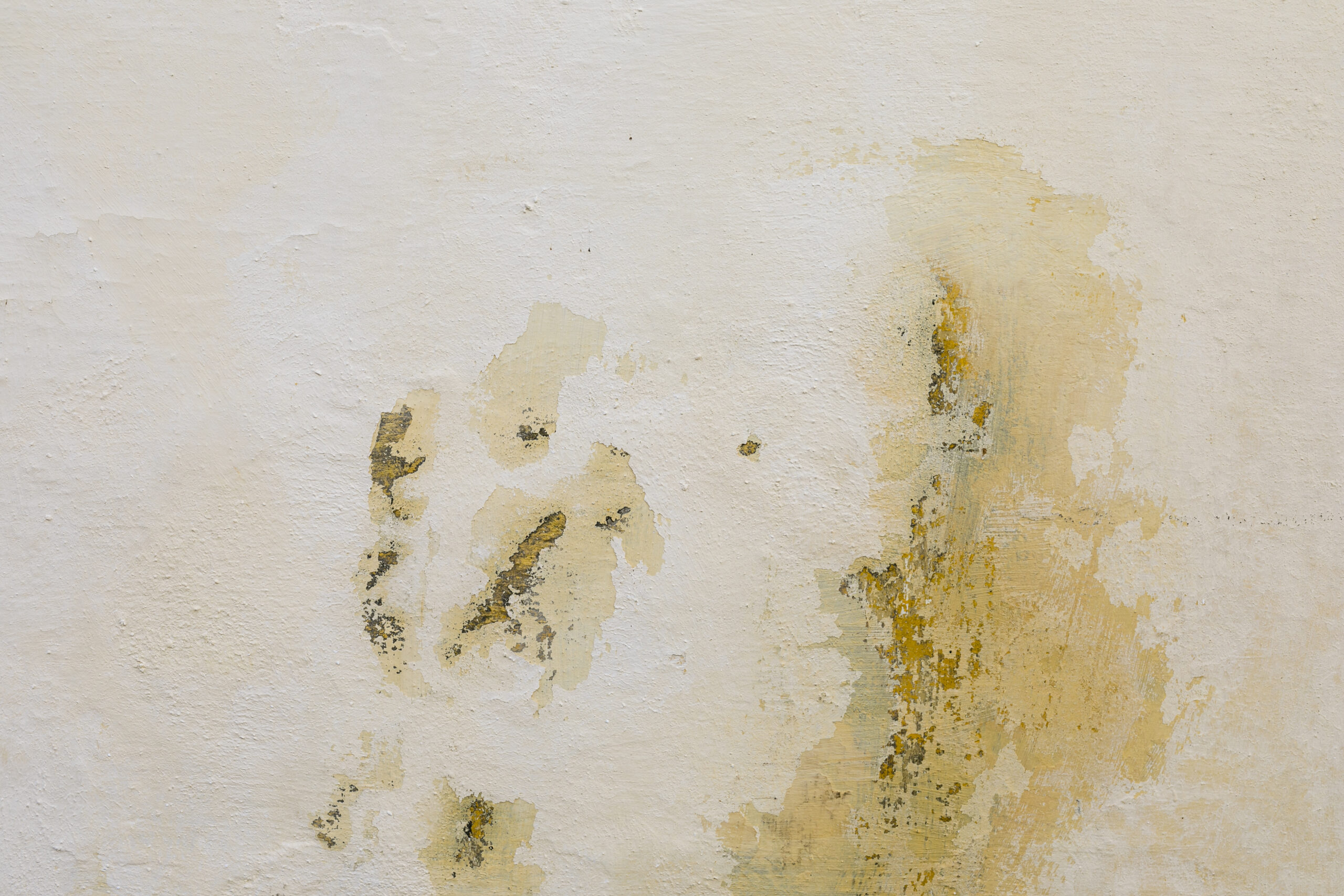
Persistent Basement Dampness: What It Means and How to Resolve the Problem
Persistent basement dampness is more than just an unpleasant smell or an aesthetic defect. It is an alarming signal indicating serious problems with waterproofing, drainage systems, or even the foundation structure. Ignoring this problem can lead to the destruction of load-bearing structures, the formation of mold and fungus, and significant financial costs in the future. Understanding the causes of moisture is the first step toward effectively eliminating it.
What Persistent Basement Dampness Means
Persistent dampness in a basement is a sign that the building is in constant contact with water or vapor. Moisture can come from various sources:
- Capillary wicking from the ground — water rises through the capillaries of concrete, brick, or other porous materials, especially if horizontal waterproofing is missing or damaged.
- Seepage through cracks and defects — micro-cracks in the foundation or basement walls can be invisible but sufficient for moisture penetration.
- Condensation — when warm, humid air comes into contact with cold wall surfaces, condensation forms, especially in poorly ventilated rooms.
- High groundwater level — seasonal or persistent rise in groundwater level leads to basement flooding, especially in low-lying areas.
- Waterproofing damage — a breach in the integrity of the waterproofing layer allows water to penetrate inside.
- Drainage system malfunctions — improper water diversion from the foundation, damaged or clogged gutters and downspouts.
In accordance with building standards (e.g., DBN V.2.1-10:2018 “Foundations and Substructures of Buildings and Structures”), protection of building structures from groundwater and atmospheric precipitation must be provided during foundation design. Violation of these requirements is one of the main causes of persistent basement dampness.
How to Identify the Source of Moisture in the Basement
Timely identification of the moisture source allows for choosing the right strategy for its elimination. Here is what to pay attention to:
- Nature of moisture appearance — does the moisture appear constantly, or only after rain/snowmelt? Persistent moisture usually indicates capillary wicking or a high groundwater level.
- Location of appearance — moisture on walls may indicate seepage through cracks, while moisture on the floor indicates capillary wicking or high groundwater.
- Presence of efflorescence — white salt deposits on walls indicate constant dampness and the leaching of salts from concrete.
- Smell — a smell of dampness, mold, or sewage can indicate the source of the problem.
- Surface temperature — cold walls can indicate moisture condensation.
For precise diagnostics, specialists use instrumental methods: moisture meters to determine the moisture level of materials, thermal imaging to identify areas with increased humidity, and ground-penetrating radar (GPR) scanning to detect hidden foundation defects. Professional comprehensive building inspection allows accurately determining the moisture source and developing an effective plan to eliminate it.
Consequences of Persistent Dampness for the Building
Ignoring the problem of persistent dampness can lead to serious consequences:
- destruction of concrete and brickwork — water penetrating into material pores expands upon freezing, destroying their structure;
- reinforcement corrosion — moisture causes rust which expands in volume, tearing the concrete from within;
- mold and fungus formation — a damp environment is ideal for microorganism growth, posing a health threat to residents;
- reduced thermal insulation properties — dampened insulation loses its properties, leading to increased heating costs;
- damage to engineering systems — water can damage pipes, cables, and equipment located in the basement;
- reduction in property value — moisture-related problems significantly lower the market value of the object.
Inspection of building walls and foundations is a key step in ensuring the safety and reliability of the object’s operation.
How to Eliminate Persistent Basement Dampness
The choice of elimination method depends on the cause of moisture:
- Wall and floor waterproofing — applying waterproofing materials (coatings, membranes, penetrating sealers) to create a watertight barrier.
- Drainage system installation — creating a system to divert groundwater from the foundation.
- Crack sealing — filling cracks in walls and floors through which water penetrates.
- Basement ventilation — ensuring proper ventilation to reduce air humidity.
- Gutter system restoration — repair or replacement of damaged gutters, pipes, and ensuring proper water diversion from the building.
- Foundation strengthening — in cases where moisture is caused by foundation deformations or destruction.
It is important to remember: local repair without eliminating the root cause will be ineffective. It is necessary to first conduct an inspection and identify the source of moisture.
Frequently Asked Questions
Can I eliminate persistent basement dampness independently?
Minor local problems (e.g., small leaks) can be fixed independently. However, if moisture is caused by systemic issues (high groundwater level, waterproofing failure, foundation deformation) — professional intervention is necessary.
How often should the basement state be checked for moisture?
It is recommended to conduct a visual inspection at least twice a year (spring and autumn), as well as after heavy precipitation or snowmelt. A professional inspection is recommended every 3-5 years.