

Transfer of residential/non-residential property
Conversion of premises from residential to non-residential or vice versa is a procedure whereby the purpose of the premises is changed to allow it to be used for other functions.
Such a change is relevant when the owner plans to use the residential premises for business, for example, as an office, shop or other commercial facility, or vice versa – when non-residential premises need to be converted into residential premises.
Legal regulation of the transfer of residential premises to non-residential property
The main legal acts regulating the procedure for transferring residential premises to non-residential property are:
- The Housing Code of the Ukrainian SSR – establishes the procedure for the use of residential premises and requirements for changing their designated purpose.
- The Law of Ukraine “On Regulation of Urban Development Activities” – regulates the compliance of an object with construction and urban development standards.
- State Construction Norms (SBN) – in particular, SBN B.2.2-12:2019 “Planning and Development of Territories” and SBN B.2.2-15-2005 “Residential Buildings. Basic Provisions”, which define the requirements for residential and non-residential premises.
Conditions for transferring residential premises to the non-residential fund
To transfer a residential property to non-residential use, the following conditions must be met:
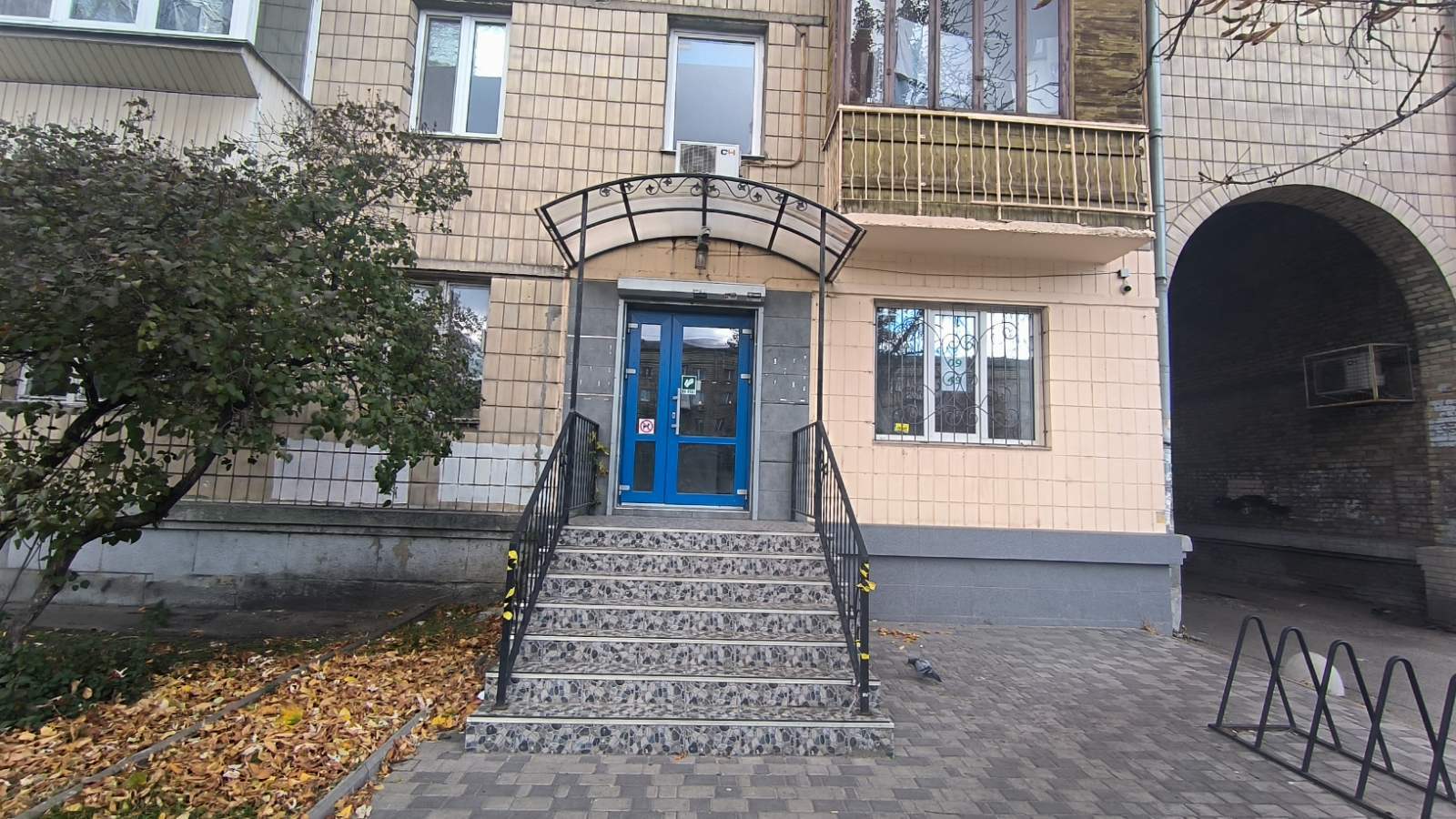
- The premises must be on the ground floor or above the first floor, provided that the lower premises already have non-residential status.
- There must be a separate entrance to provide access to the premises in order to avoid violating the living conditions of the building’s residents.
- Compliance of the premises with the construction standards for non-residential facilities, in particular, fire safety standards, sanitary and hygienic requirements, and sound insulation standards.
- Compliance with the requirements for changing the designated purpose of the land plot. If the premises are part of an apartment building, it is necessary to agree with the local authorities or local self-government body on the possibility of using the premises for new purposes.
Stages of transferring premises to non-residential property
- Obtaining the consent of the building’s co-owners. This is necessary if the premises are located in an apartment building.
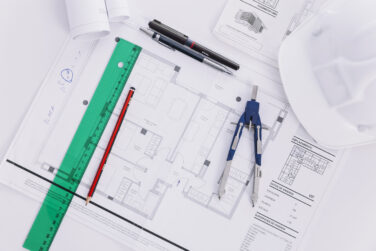
- Development of technical documentation. Contact a licensed architect or design organization to develop a project to change the purpose of the premises.
- Submitting an application to the local government. The application is submitted together with the project documentation to obtain a permit for the transfer of the premises.
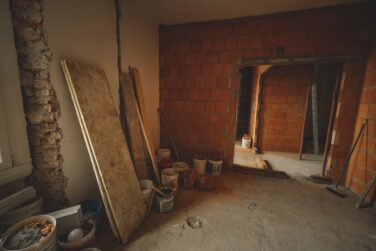
- Reconstruction (if necessary). This includes changes in the layout, creating a separate entrance, ensuring fire safety, etc.
- Registration of changes. Upon completion of the reconstruction and inspection by the inspection authorities, changes are made to the State Register of Real Estate Rights.
The procedure for transferring non-residential premises to the housing stock
For the reverse procedure – the transfer of non-residential premises to the residential fund – certain conditions must also be taken into account:
- The premises must comply with the requirements for residential premises established by the State Building Standards, in particular, the standards for ceiling height, floor space, natural light level, etc.
- It is necessary to provide conditions for living, in particular, access to sanitary and technical communications (water supply, sewerage).
- Go through the procedure for approving a reconstruction project if construction work is required to adapt the premises for housing.
Cost and terms of implementation
The cost of transferring depends on the complexity of the project, the need for construction work, and administrative fees. The procedure can take from several weeks to several months, taking into account the development of the project, obtaining permits and possible reconstruction of the premises.
Contact GlobalBud Ukraine
For a successful transfer of premises between residential and non-residential property, contact the specialists of GlobalBud Ukraine. Our specialists will provide comprehensive support: from legal advice to preparation of documentation and support of the registration process.