

Preparation of the Accessibility (Inclusivity) Report
The purpose of this article is to explain what an Accessibility (Inclusivity) Report is, what its requirements are, who must prepare it, and how to do it in accordance with Ukrainian legislation and international standards.
What Is an Accessibility Report and Why Is It Important?
An Accessibility (Inclusivity) Report is an official document that records how well a construction, architectural, or infrastructure facility meets the requirements of barrier-free and inclusive design. Such a report may be required:
-
during project documentation approval;
-
at the stage of commissioning a facility;
-
for participation in international projects, grants, or ESG audits;
-
as part of a company’s corporate social responsibility (CSR) obligations.
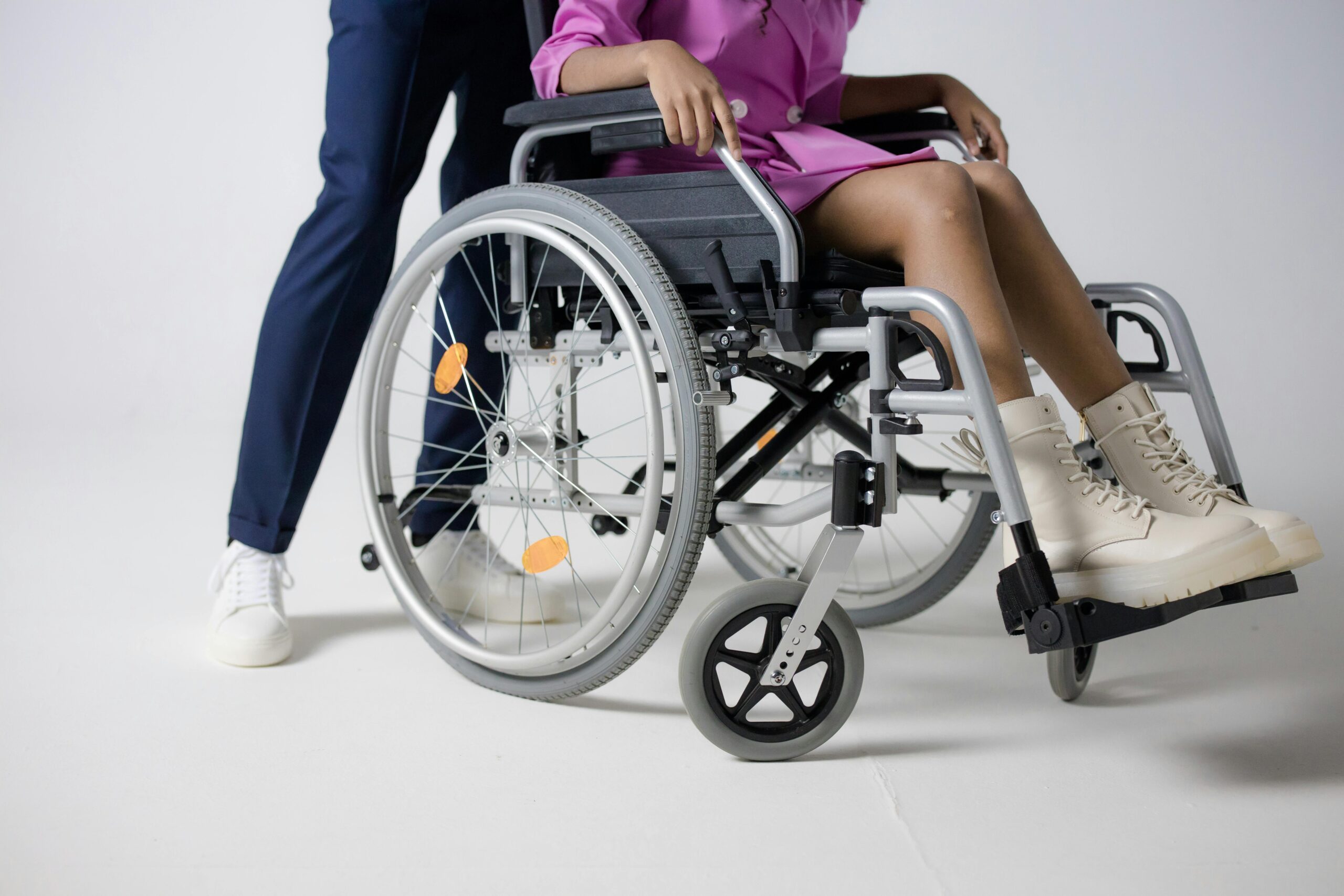
The report confirms that the project follows the principles of equal access and that the environment is suitable for people with limited mobility, including persons with disabilities, elderly people, pregnant women, and parents with strollers.
Regulatory Framework for the Report
Legislative and regulatory documents defining the requirements and mandatory nature of accessibility include:
-
Law of Ukraine “On Regulation of Urban Development Activities”;
-
Law of Ukraine “On Architectural Activities”;
-
DBN B.2.2-40:2018 “Inclusivity of Buildings and Structures”;
-
Order of the Ministry for Communities and Territories Development No. 163 (2019) on DBN application;
-
ESG Reporting Recommendations (for non-financial reporting);
-
UN Convention on the Rights of Persons with Disabilities (ratified by Ukraine in 2009).
Who Must Prepare an Accessibility Report?
The preparation of the report is mandatory or recommended for the following entities:
-
Developers and construction customers — during design and commissioning;
-
Design organizations — when preparing project documentation for approval;
-
Local authorities — when reporting on accessibility programs;
-
Enterprises and institutions — when renovating offices or public facilities;
-
Companies preparing ESG reports — including certification (BREEAM, LEED).
Structure of the Accessibility Report
A properly prepared report should include the following sections:
1. General Information
-
Facility name and address;
-
Information about the client, designer, and report compiler.
2. Regulatory Framework
-
List of normative documents used during the assessment.
3. Accessibility Assessment
-
Analysis of architectural solutions (ramps, elevators, door widths, barrier-free entrances, etc.);
-
Evaluation of public zones: restrooms, corridors, parking, navigation;
-
Availability of tactile indicators, visual contrasts, and information signs.
4. Conclusions and Compliance with DBN
-
Summary: whether the facility meets DBN B.2.2-40:2018 requirements;
-
Comments (if any) and recommendations for eliminating deficiencies.
5. Photographic Evidence and Appendices
-
Photos of key facility elements (entrances, restrooms, navigation, elevators);
-
Drawings or diagrams (if needed).
Common Mistakes When Preparing the Report
-
Using outdated regulations — referencing obsolete DBNs or standards.
-
Formal approach — copying templates without real on-site analysis.
-
Lack of photo documentation or irrelevant images.
-
Ignoring external accessibility routes — such as paths from public transport stops to the entrance.
-
Report inconsistency with project documentation.
Recommendations from GlobalBud Ukraine
As a company with many years of experience in urban development consulting, we recommend:
-
Engaging engineers experienced in accessibility design at the design stage.
-
Conducting accessibility audits not only for new constructions but also for renovation projects.
-
Considering international accessibility standards (ADA, ISO 21542) if the facility serves an international audience.
-
Preparing the report in a format that meets the requirements of inspection bodies (DIAM, local authorities, investors).
Conclusions
The Accessibility Report is not just a formal requirement but an essential tool for implementing equal access and barrier-free environment policies. A well-prepared report enhances the investment attractiveness of a facility, reduces approval risks, and helps companies demonstrate social responsibility.
Need Assistance? Contact GlobalBud Ukraine
We prepare professional accessibility reports in accordance with current DBNs and provide project support from concept to commissioning.
We work with individuals, legal entities, and international companies.