



Instrumental Building Inspection in Kropyvnytskyi
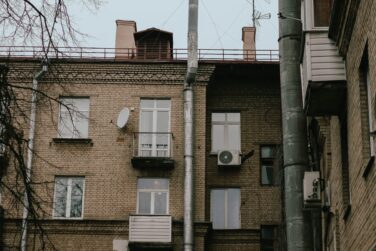
Kropyvnytskyi is a city with a rich industrial history and interesting architectural heritage. It features pre-revolutionary mansions, Stalin-era buildings, Khrushchev-era blocks, and modern residential complexes. Each of these building types has its vulnerabilities. However, there are also common problems characteristic specifically of Kropyvnytskyi.
What Makes Kropyvnytskyi Special from a Construction Perspective?
First, the soils. The region is characterized by chernozems and loess-like loams that alter their properties when moistened. This creates additional loads on foundations and can lead to uneven building settlement. Second, the industrial heritage. Many areas of the city have long been exposed to industrial emissions, accelerating the corrosion of metal structures and concrete degradation. Third, significant wear and tear of the housing stock. A substantial portion of buildings was erected back in the 1960–1980s and has not undergone major overhauls since.
Diagnostic Arsenal: What Experts Use
Instrumental inspection in Kropyvnytskyi is a comprehensive set of measures that provides a complete picture of an asset’s technical condition. GlobalBud Ukraine specialists utilize:
- Thermal imaging — to identify thermal bridges, insulation breaches, and concealed moisture. This is especially relevant for buildings with poor joint sealing. Learn more about this method in the article thermal imaging apartment inspection.
- Moisture metering — to determine humidity levels within structures. In Kropyvnytskyi, this indicator frequently exceeds normal ranges due to soil characteristics and aging utilities.
- Geodetic measurements — to check wall verticality and floor horizontal flatness.
- Ultrasonic diagnostics — to assess concrete density and identify concealed voids or cracks.
- Utility systems evaluation — to diagnose heating, plumbing, sewage, and electrical grid conditions.
Typical Defects Found in Kropyvnytskyi
Practice shows that engineers most frequently encounter the following problems:
- Cracks in load-bearing walls and foundations due to uneven soil settlement.
- Basement waterproofing failures leading to flooding and mold proliferation.
- Rebar corrosion in floor slabs, especially in buildings constructed during the 1970–1980s.
- Degraded utility networks — water supply and sewage piping laid down in past centuries.
- Cracks in facade thermal insulation arising from thermal deformations or installation errors. The causes of such cracks and remediation methods are detailed in the article facade thermal insulation cracks.
Who Needs an Instrumental Inspection?
- Secondary market real estate buyers — to avoid acquiring a property with concealed defects.
- Apartment owners in new developments — to verify construction quality upon handover acceptance.
- HOAs and management companies — for planning capital overhauls and assessing residential housing stock conditions.
- Investors — prior to acquiring commercial real estate.
What You Receive Upon Completion
Following inspection completion, you are provided with a technical conclusion — an official document possessing legal validity. It contains a detailed description of each structural system’s condition, an inventory of discovered defects supported by photo logs, an evaluation of the building’s residual lifespan, and clear recommendations regarding necessary remediation work.
Such a conclusion can be deployed in litigation, during vendor negotiations, or to justify investment decisions. Comprehensive building inspection is your instrument for making sound real estate decisions. Kropyvnytskyi is changing, but not all buildings are equally reliable. Instrumental inspection serves as your safeguard against unforeseen expenses.