

DBN accessibility (inclusiveness) of buildings
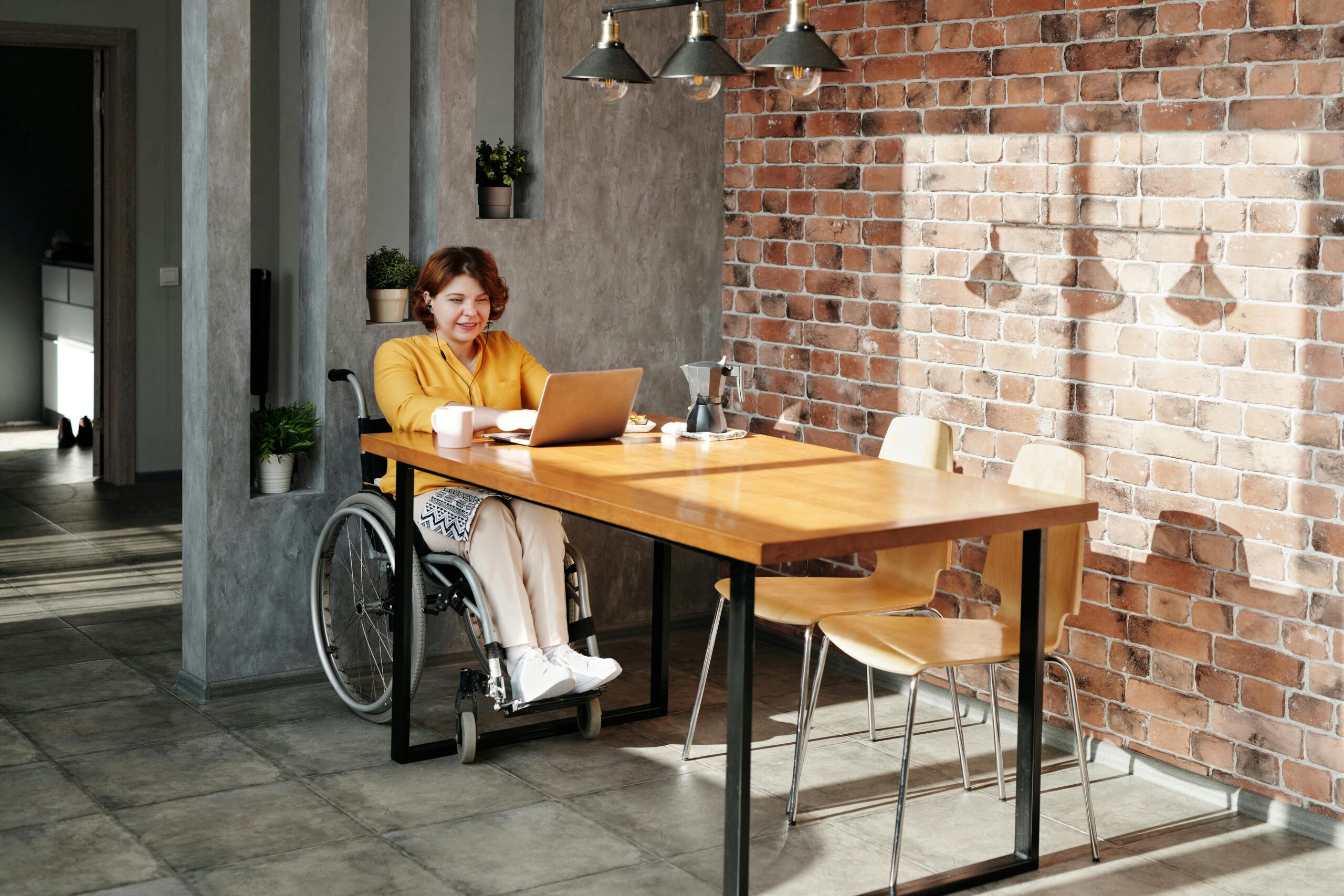
The State Building Standards (SBS) on the accessibility of buildings and structures regulate the requirements for the design, construction, and reconstruction of facilities, ensuring barrier-free access for low-mobility groups, including people with disabilities, the elderly, pregnant women, and people with temporary health problems.
The main requirements of the DBN for accessibility
Barrier-free access.
- Entrance groups of buildings should have ramps or elevators in accordance with DBN B.2.2-40:2018 “Inclusiveness of Buildings and Structures”.
- Doorways should be of sufficient width (at least 0.9 m) for easy passage of people with reduced mobility.
Ramps and lifts.
- Ramps should have a slope of no more than 8% (1:12) and be equipped with handrails at a height of 0.7 and 0.9 m.
- Mechanical or electric lifts can be an alternative to ramps.
Elevators and vertical communications.
- High-rise buildings should be equipped with elevators with a minimum door width of 0.9 m.
- Elevator buttons should be located at a height of 0.9-1.2 m, have tactile signs and be duplicated in Braille.
Sanitary facilities.
- In public buildings, it is necessary to provide specially equipped toilets with a minimum cubicle size of 1.65×1.8 m.
- All elements (sinks, mirrors, dryers) should be at a convenient height for use.
Tactile and visual landmarks.
- Floor tactile strips should indicate the direction of movement for visually impaired persons.
- Signs, signs and information boards should be duplicated in Braille and placed at a height of 1.4-1.6 meters.
Parking spaces.
- Near public buildings, at least 10% of parking spaces must be provided for people with disabilities.
- Such spaces should be wider than standard ones and located as close to the entrance as possible.
Regulatory framework
The main requirements for accessibility are regulated by the following regulatory documents:
- DBN B.2.2-40:2018 “Inclusiveness of Buildings and Structures
- ” Law of Ukraine “On the Fundamentals of Social Protection of Persons with Disabilities in Ukraine”
- UN Convention on the Rights of Persons with Disabilities
Contact GlobalBud Ukraine
Ensuring a barrier-free environment is not only about compliance with building codes, but also about social responsibility. When designing and reconstructing buildings, it is important to take into account all the requirements of the State Building Code to make the space accessible to everyone.
If you need advice, project development taking into account accessibility standards, equipment supply, or installation and construction work, please contact GlobalBud Ukraine specialists. Our engineers and lawyers will help you implement any project in accordance with current standards and legal requirements.