


Building Basement Flooding: How to Identify the Cause and Resolve the Problem
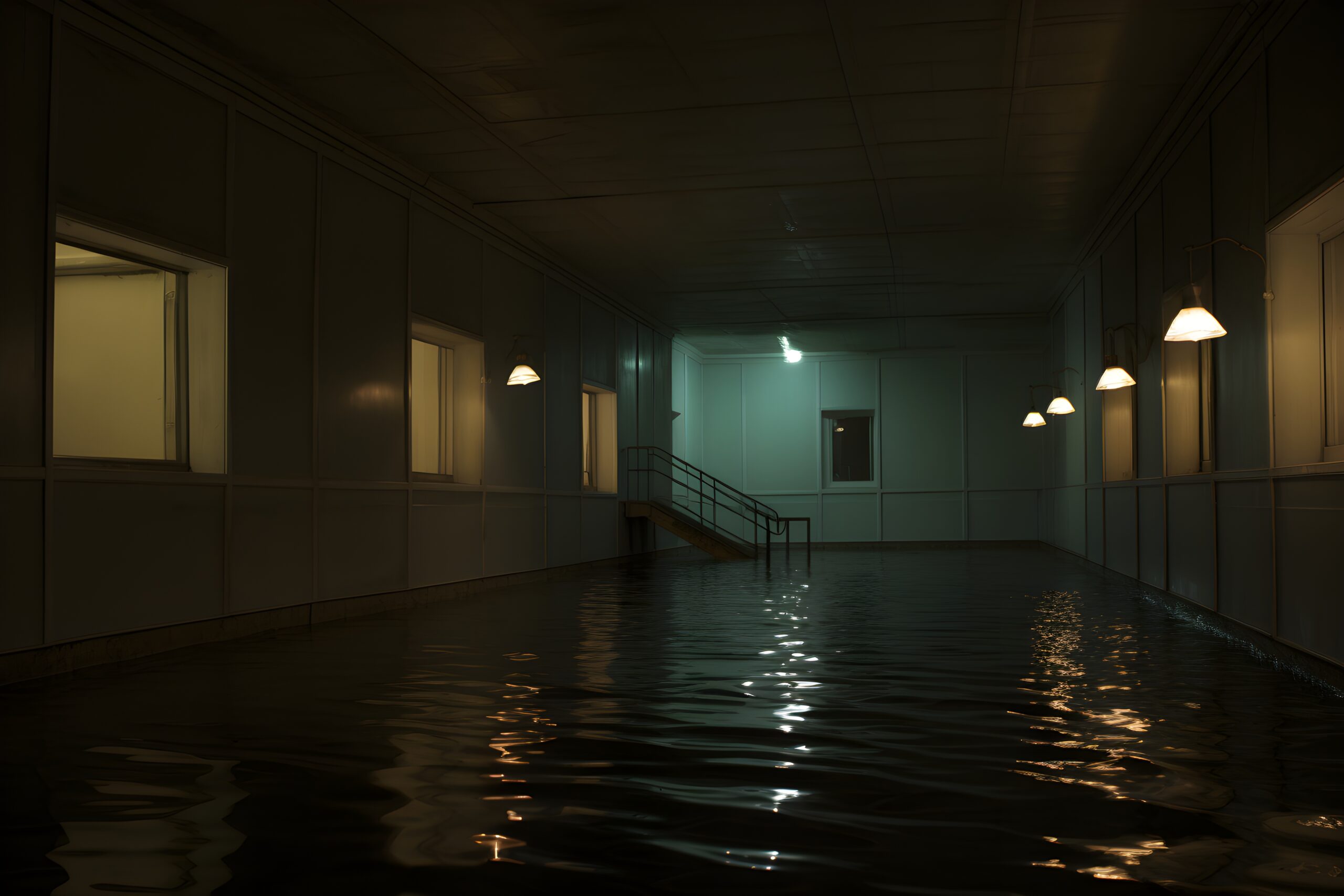
Building basement flooding is one of the most common and dangerous problems property owners face. Water in the basement is not just an inconvenience, but a potential threat to health, safety, and property preservation. It destroys the foundation, causes reinforcement corrosion, promotes mold and fungus growth, and creates a favorable environment for pests. Identifying the cause of flooding is a key stage that allows choosing the right strategy to resolve the problem and avoid recurring flooding.
Main Causes of Building Basement Flooding
Basement flooding can be caused by a variety of factors. Let’s look at the main ones:
- Plumbing and sewage issues — one of the most common causes. If there are old pipes in the basement that often have micro-cracks or corrosion, they can burst. Water from sewage or water supply pipes begins to leak into the basement, leading to flooding.
- Poor drainage system — inadequate or low-quality drainage. If the house’s water drainage system is not working properly, rainwater or water accumulating in the soil can penetrate the basement.
- High groundwater level — shallow groundwater. Seasonal increases in the groundwater level can lead to basement flooding, especially in low-lying areas.
- Precipitation accumulation — heavy rain and lack of water diversion systems. During prolonged rain, water can accumulate around the building and penetrate the basement through cracks in the walls and foundation.
- Roof and gutter damage — water from the roof that is not properly diverted can enter the basement through walls or the foundation.
- Ventilation problems — ventilation issues in the basement can lead to moisture accumulation. This can not only be a cause of flooding but also a factor promoting mold and fungus growth, which is hazardous to health.
How to Determine the Cause of Basement Flooding: Diagnostic Methods
Searching for the water source is a systematic process requiring a professional approach. Here are the main diagnostic methods:
- Visual inspection — pay attention to where the water appears: does it appear from the floor, walls, or pipe connections? Inspect walls and floors for cracks through which water might be penetrating.
- Analysis of flooding nature — does the water appear after rain, after snowmelt, or is it constant? This will help identify the water source (groundwater, precipitation, utility accident).
- Plumbing system check — inspection of water supply and sewage pipes for leaks, corrosion, and damage.
- Drainage system check — inspection of drainage pipes for clogs, damage, or seal failures.
- Waterproofing check — assessment of the foundation and basement wall waterproofing layer state.
- Gutter system check — inspection of gutters, pipes, and catch basins for damage or clogs.
If, despite all efforts, water still leaks, it should be removed quickly, as prolonged moisture exposure negatively affects concrete. Professional technical inspection of the foundation and basement allows accurately determining the source of water and developing a plan to eliminate it.
Consequences of Basement Flooding for the Building
Ignoring flooding can lead to serious consequences:
- Foundation destruction — water constantly contacting concrete causes its destruction, reinforcement corrosion, and loss of load-bearing capacity.
- Mold and fungus formation — a damp environment is ideal for microorganism development, which poses a health threat to residents.
- Engineering system damage — water can damage pipes, cables, and equipment located in the basement.
- Floor slab destruction — moisture rises through capillaries, causing damage to floor slabs and walls of upper floors.
- Reduction in property value — basement flooding problems significantly lower the market value of the property.
Comprehensive building inspection allows identifying hidden defects and avoiding significant financial expenses in the future.
How to Eliminate Basement Flooding
The choice of elimination method depends on the cause of flooding:
- Plumbing system repair — replacing damaged pipes, eliminating leaks, sealing connections. It is important to replace worn-out pipes in a timely manner or use modern repair materials.
- Drainage system restoration — cleaning drainage pipes, eliminating damage, ensuring proper water diversion from the building.
- Basement waterproofing — applying waterproofing materials to basement walls and floors. Using penetrating waterproofing systems that protect concrete from water penetration.
- Crack sealing — sealing cracks in walls and floors through which water penetrates.
- Water diversion system installation — organizing effective water diversion from the building (paving/apron, drainage ditches).
- Ventilation improvement — ensuring proper basement ventilation to reduce humidity.
It is much simpler to prevent water penetration problems in advance than to deal with their consequences.
Prevention of Basement Flooding
It is much easier to prevent flooding than to spend money on eliminating its consequences:
- regular plumbing system check — timely detection and elimination of leaks;
- regular drainage system cleaning — from debris, leaves, soil;
- gutter system condition control — timely cleaning of gutters and pipes from debris;
- waterproofing check — regular inspection of the foundation and basement wall waterproofing layer state;
- water diversion from the foundation — ensuring proper slope of the paving/apron, installing drainage ditches.
Frequently Asked Questions
What should be done first when water is found in the basement?
First of all, shut off the electricity in the basement to avoid short circuits. Identify the water source: if it’s a burst pipe — shut off the water. If water is coming from outside — ensure it is pumped out and identify the cause. Use a motor pump to pump out the water. Order a professional inspection to identify the cause and develop a repair plan.
Can basement flooding be eliminated independently?
Minor local problems (e.g., a small pipe leak) can be eliminated independently. However, if flooding is caused by systemic issues (high groundwater level, drainage system damage, waterproofing failure) — professional intervention is necessary. Incorrect repairs can worsen the situation.