

Building Roof Destruction: Causes and Consequences
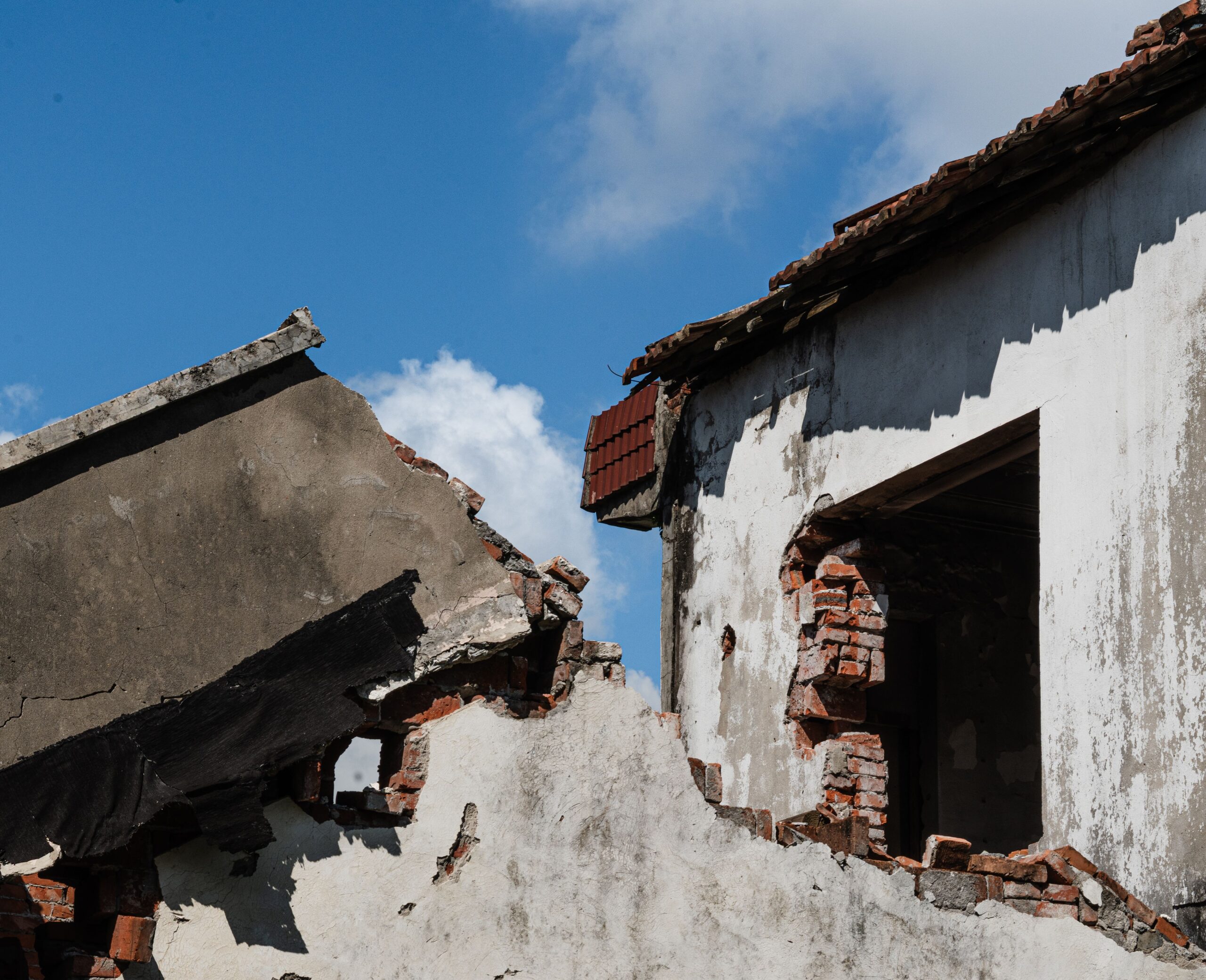
The roof is the primary barrier protecting a building from environmental impact. It is the first to take the brunt of the elements: rain, snow, wind, temperature fluctuations, and ultraviolet radiation. Therefore, roof destruction is not just an aesthetic problem, but a serious threat to the entire structure. Water penetrating through damage gradually destroys load-bearing elements, causes reinforcement corrosion, wood rot, and mold growth. Understanding the causes of roof destruction and timely detection of defects is the key to a building’s longevity and safety.
Main Causes of Roof Destruction
Roof destruction rarely happens suddenly. As a rule, it is preceded by prolonged exposure to negative factors. The most common causes include:
- Natural aging of materials — every roofing material has its service life. Over time, it loses elasticity, becomes brittle, and cracks under the influence of temperature fluctuations and UV light. Bituminous materials dry out, metal ones corrode.
- Design errors — improper material selection, insufficient slope for water drainage, lack of or insufficient ventilation of the under-roof space, failure to account for wind and snow loads. According to DBN V.2.6-220:2017, when developing technical solutions for roofing, one should avoid transferring foundation deformations to the roof and exclude the possibility of bubbling.
- Installation technology violations — poor-quality fastening, insufficient overlap of materials, non-hermetic joints and junctions to pipes, parapets, ventilation shafts. One of the main reasons for the depressurization of the roofing carpet is insulation dampening and, as a result, the occurrence of critical water vapor pressure.
- Mechanical damage — impacts from falling branches, hail, accumulation of snow and ice, walking on the roof without proper precautions.
- Improper operation — untimely cleaning of gutters, accumulation of debris and water, ignoring minor damage that eventually turns into serious defects.
Consequences of Roof Destruction for a Building
The consequences of roof destruction can be catastrophic for the entire building:
- Moisture penetration — water gets into the insulation, floor slabs, and walls, causing structural dampness. This leads to a decrease in thermal insulation properties, increased heating costs, and the creation of an environment favorable for the development of fungus and mold.
- Destruction of load-bearing structures — prolonged dampening of wooden elements leads to rot, metal ones to corrosion, and concrete ones to the destruction of the protective layer and reinforcement corrosion. This significantly reduces the building’s load-bearing capacity.
- Damage to interior finishes — wet spots on ceilings and walls, peeling paint, peeling wallpaper — this is not only an aesthetic problem but a signal that moisture has penetrated deeper.
- Reduction in property value — the presence of roofing defects significantly lowers the market value of the object and complicates its sale or rental.
- Safety threat — in critical cases, roof destruction can lead to structural collapse, posing a direct threat to people’s lives and health.
Professional technical inspection of the roof allows identifying problems at an early stage and avoiding serious consequences.
How to Detect Roof Destruction at an Early Stage
Timely detection of roofing defects is the key to preserving the building. Here is what to look for during inspection:
- external signs — cracks, blistering, delamination of roofing material, signs of corrosion on metal elements, darkening or color changes of the covering;
- internal signs — wet spots on the ceilings of upper floors, peeling paint, water marks on walls, musty smell;
- in the attic — damp rafters, traces of leaks on insulation, mold, fungus;
- in the surrounding territory — traces of water on walls, damage to gutters, water accumulation near the foundation.
When inspecting a roof, it is important not only to document visible defects but also to assess their cause and development dynamics. GlobalBud Ukraine specialists conduct comprehensive diagnostics using modern equipment.
Roof Restoration Methods
The choice of restoration method depends on the roof type, degree of damage, and causes of destruction:
- Maintenance repair — eliminating local damage: sealing cracks, replacing damaged areas, sealing joints.
- Major repair — replacing a significant part of the roofing covering, restoring waterproofing, repairing or replacing the rafter system.
- Full roof replacement — in cases where most structures have lost load-bearing capacity or materials have exhausted their resource.
- Structural reinforcement — installing additional supports, strengthening rafters, replacing damaged elements.
It is important to understand: cosmetic repair without eliminating the root cause will only delay, but not solve the problem. Comprehensive technical inspection helps determine the true cause of destruction and choose the optimal restoration method.
Frequently Asked Questions
How often should a roof inspection be conducted?
It is recommended to perform a visual roof inspection at least twice a year (in spring and autumn), as well as after heavy precipitation, hurricanes, or significant temperature fluctuations. A professional technical inspection is recommended every 5–10 years, depending on the roof type and operating conditions.
Can I repair minor roof damage myself?
Minor damage (small cracks, spalls) can be repaired independently using repair compounds. However, if the damage is a consequence of systemic problems (improper installation, ventilation issues, structural deformation), independent repair will be ineffective. You must first identify and eliminate the root cause.