


Diagonal Cracks in House Walls: What They Mean
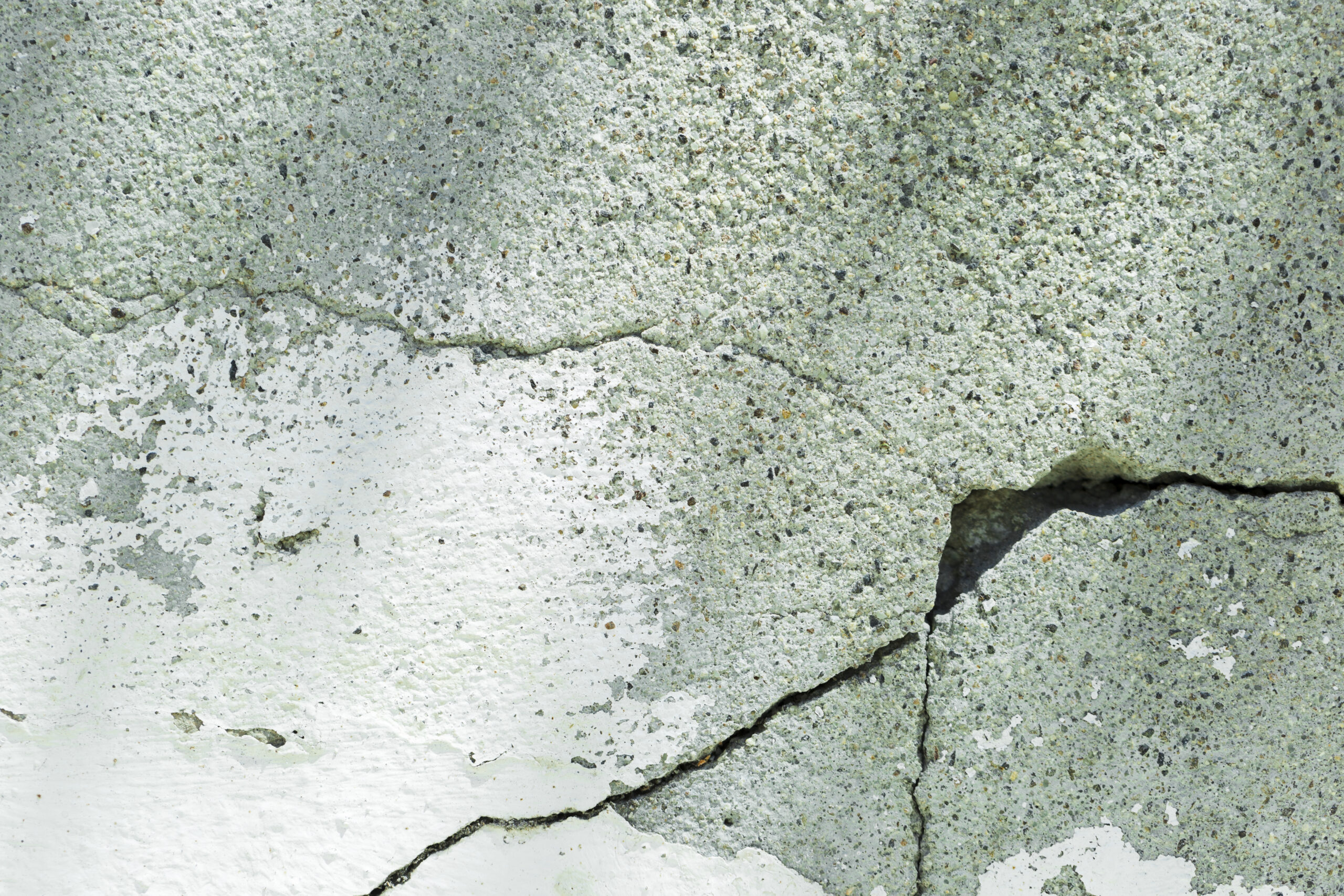
Diagonal cracks in the walls of a house are perhaps the most alarming signal a property owner can see. Unlike vertical cracks, which are often associated with material shrinkage, or horizontal ones, indicating lateral soil pressure, a diagonal crack almost always indicates uneven foundation settlement. It arises when one part of the building sinks faster than another, creating stresses that tear the wall diagonally. Understanding the nature of this defect helps take timely measures and avoid catastrophic consequences.
The Nature of Diagonal Cracks: Why They Occur
Diagonal cracks in walls are the result of shear forces arising during uneven foundation settlement. When one part of the building lowers while another remains in place, stresses arise in the walls that rupture the masonry diagonally at an angle of approximately 45 degrees. The most common reasons for diagonal cracks:
- Low load-bearing capacity of the soil base — the soil under the house cannot withstand the weight of the structure, especially if one part of the building stands on weaker soil.
- Soil changes — rising groundwater levels, flooding, drying, or frost heaving, which change its volume and load-bearing capacity.
- Incorrect engineering solutions — design without considering actual site geology, lack of a reinforced belt, insufficient wall thickness.
- Deformations under temperature and moisture influence — seasonal fluctuations in temperature and humidity causing expansion and contraction of materials.
- Additional loads — reconstruction, adding floors, installing heavy equipment, vibrations from transport.
In new buildings, diagonal cracks can appear within the first five years of operation due to normal building settlement. However, if a crack appeared after reconstruction — this is a warning signal that the walls and base are failing to handle new loads.
Why Diagonal Cracks are Dangerous
Diagonal cracks are not just a cosmetic defect. They indicate a disruption in the operation of the building’s entire structural system. Their danger lies in the following:
- progressive deformation — if the cause is not eliminated, the crack will expand, leading to wall skewing and distorted door and window openings;
- loss of load-bearing capacity — a diagonal crack ruptures the masonry, reducing the wall’s ability to withstand vertical loads;
- building destruction — in critical cases, diagonal cracks can lead to partial or complete structural collapse;
- reduction in property value — the presence of diagonal cracks significantly lowers the market value of the object.
Professional wall and foundation inspection will help determine the cause of the crack and assess the degree of danger.
How to Determine the Danger Level of a Diagonal Crack
Assessing the danger of a diagonal crack is carried out according to several criteria:
- Opening width — cracks up to 1 mm wide are usually not critical. If the width exceeds 2-3 mm, it is already a warning sign.
- Development dynamics — the main indicator of danger. If a crack grows (expands or lengthens), urgent measures must be taken.
- Location — cracks on load-bearing walls, especially at corners of the building and around door and window openings, are more dangerous than those on internal partitions.
- Crack nature — through-cracks (passing through the entire wall thickness) are more dangerous than surface cracks.
For monitoring dynamics, it is recommended to install control beacons (gypsum or paper strips). If the beacon has ruptured — the crack continues to expand, and immediate specialist intervention is required. Technical inspection of buildings and structures allows accurately determining the cause of a diagonal crack and developing an effective plan for its elimination.
What to Do When Detecting a Diagonal Crack
- Do not perform cosmetic repairs — sealing the crack with mortar without eliminating the cause only masks the problem, but does not solve it.
- Install control beacons — to track the crack development dynamics.
- Order a technical inspection — professional diagnostics will allow determining the cause of deformation and assessing the degree of danger.
- Develop a reinforcement plan — depending on the cause and degree of damage, specialists will offer an optimal solution: from foundation reinforcement to local wall repair.
Order a building technical inspection at GlobalBud Ukraine for any type of object.
Frequently Asked Questions
Can a diagonal crack appear due to poor material quality?
Yes, using unsuitable building materials, incorrectly selected mortar, or combining wall materials with different physical properties can cause cracks. However, in most cases, a diagonal crack indicates foundation problems, not wall material issues.
Can I seal a diagonal crack on my own?
Cosmetic sealing of a crack is possible, but it won’t solve the problem if the root cause (uneven foundation settlement) isn’t addressed. If the foundation continues to settle, the crack will appear again, possibly elsewhere. You must first conduct an inspection and eliminate the deformation cause.
How to distinguish a dangerous diagonal crack from a safe one?
The main criterion is dynamics. If the crack does not change for a long time (half a year to a year) and its width does not exceed 1-2 mm, it is likely not dangerous. If the crack expands or new cracks appear — this is a signal of progressive deformation requiring immediate specialist intervention.