


Structural Inspection After Hostilities: How to Determine if It Is Safe to Stay in Your Home
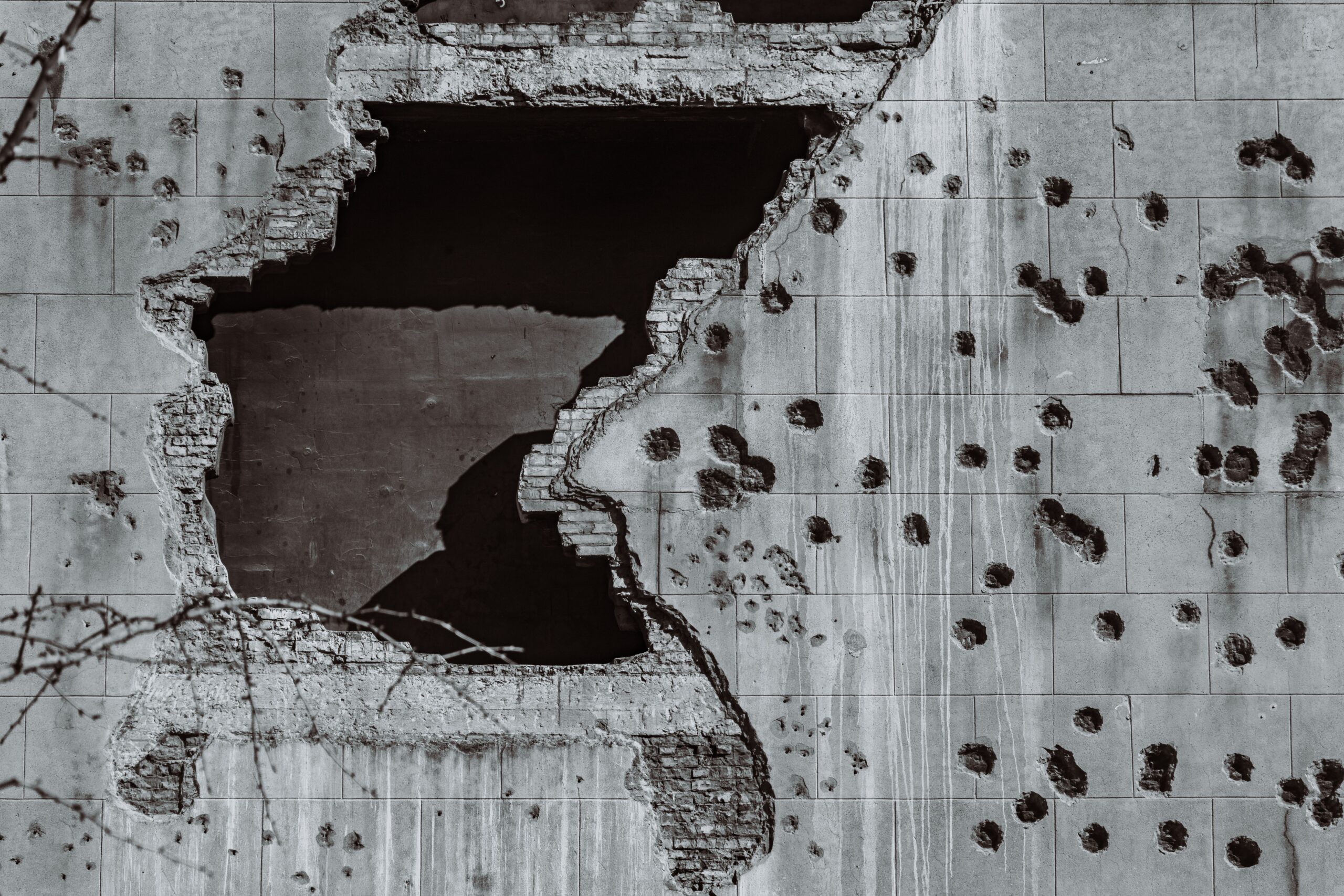
The war has brought destruction to our homes that we had never known before. Blast waves, shrapnel, fires — all of this leaves traces on building structures. But the most dangerous thing is that many damages are not visible to the naked eye. That is why structural inspection after hostilities is not a bureaucratic procedure, but a matter of your safety and life.
Why a Casual Inspection Is Not Enough
After an shelling or explosion, the first urge is to run home and see what is left. But this can be dangerous. A blast wave damages not only what you see: broken windows, fallen plaster, cracks in the walls. It affects load-bearing structures — foundations, columns, floor slabs. Sometimes these damages are not noticeable, but they make the building unstable. According to engineers, the most common damages are blown-out windows and cracks in walls. The worst-case scenario is foundation damage. And while windows can be replaced, foundation problems can render a building uninhabitable.
GlobalBud Ukraine specialists conduct inspections of damaged buildings to determine the actual state of structures after hostilities. This is a complex of engineering and technical measures aimed at determining the degree of structural damage, assessing residual load-bearing capacity, and developing recommendations for further use, restoration, or demolition of the object. Order a structural inspection after hostilities and find out the actual condition of your building.
What Is Checked During Structural Inspection After Hostilities
Professional inspection is carried out in accordance with the Methodology for Inspection of Buildings and Structures Damaged as a Result of Emergency Situations, Hostilities, and Terrorist Acts, approved by the Order of the Ministry of Development of Communities and Territories of Ukraine. This Methodology defines the specifics of inspecting objects damaged due to military actions or terrorist acts with the aim of deciding on the possibility of further operation of such objects and developing recovery measures. Engineers check:
- Load-bearing structures — foundations, walls, columns, floor slabs. The presence of cracks, deformations, shifts, and failures is assessed.
- Enclosing structures — external walls, roofing, partitions. Integrity is checked, presence of punctures, shedding.
- Engineering systems — power supply, water supply, sewage, heating, ventilation. Functionality and safety are assessed.
- Windows and doors — presence of damages, tightness, ability to open/close.
- Hidden defects — using special equipment (thermal imagers, ultrasonic devices, endoscopes), damages not visible to the eye are detected.
How Structural Inspection After Hostilities Is Conducted
The inspection procedure includes several stages:
- Preparatory stage — analysis of available design and as-built documentation (if any), specialist site visit, identification of visible damages and destruction zones.
- Visual and instrumental inspection — visual fixation of defects in load-bearing structures (cracks, settlement, deformations), use of geodetic, ultrasonic, endoscopic, and other control methods. If necessary, laboratory testing of material samples.
- Calculation of technical state — damage class is determined based on inspection results in accordance with current DBN (State Building Norms) and methodologies for assessing the technical state of buildings.
- Preparation of conclusion — the final report indicates the degree of damage (minor, moderate, critical, emergency), state of individual structural elements (foundations, floor slabs, walls, roof), prognosis of further destruction or stability, and recommendations: restoration, reinforcement, demolition.
A technical report on the state of the building should be obtained after any damages that could have occurred as a result of hostilities. Even if at first glance the structures seem intact, there may be hidden damages that will later lead to more serious problems. Learn more about the stages of inspecting damaged buildings.
Frequently Asked Questions
Is it mandatory to conduct an inspection if the damage seems minor?
Yes, absolutely. Even minor cracks at first glance can indicate serious structural problems. Without a professional inspection, you cannot determine if it is safe to stay in the building.
Who should conduct a structural inspection after hostilities?
Inspections should be conducted by qualified engineer-experts who have the appropriate equipment and experience in working with damaged objects. Inspection is conducted by the decision of the owner, building manager, or authorized bodies.
How much time does an inspection take?
The duration depends on the building’s size, the degree of damage, and the complexity of the structures. On average, an inspection takes from several hours to several days.
Conclusion
Structural inspection after hostilities is not a formality, but a necessity. It allows you to determine the real state of your building, assess risks, and make the right decision: whether you can return home, whether repairs are needed, or if the building needs to be demolished. GlobalBud Ukraine has experienced engineers who will conduct the inspection efficiently, quickly, and with full responsibility. We are on your side and will help you take the first step towards restoring your home. Follow our news regarding the restoration of damaged housing and compensation programs.