

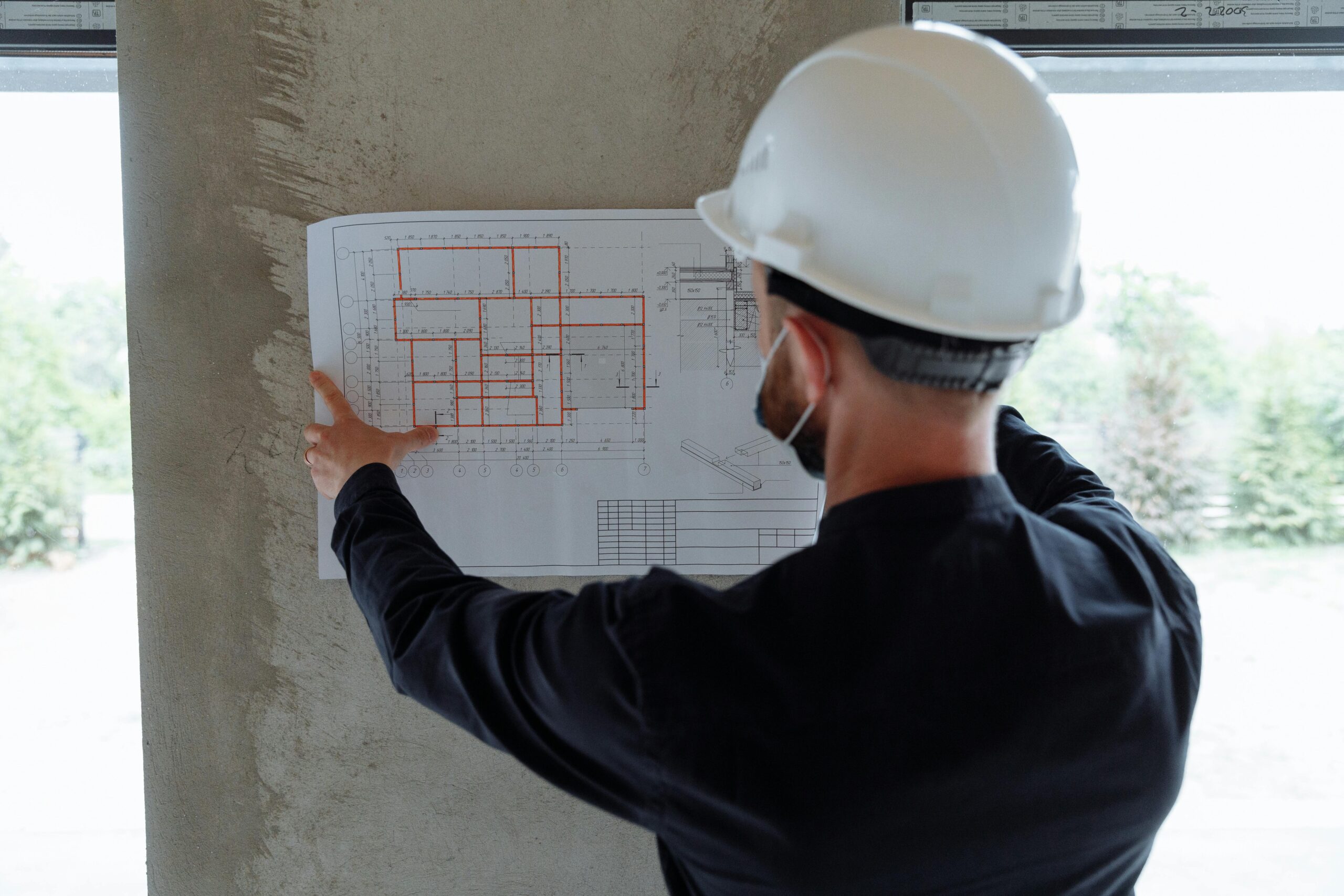
Inspection of Building Walls and Foundations
Inspecting the walls and foundations of a building is a critical step in ensuring the safety and reliability of the structure. According to current regulations, such inspections must be carried out to assess the technical condition of structural elements, identify defects and damage, and evaluate their impact on the building’s load-bearing capacity and stability.
Regulatory Framework
As of September 1, 2024, Ukraine has implemented a new standard DSTU 9273:2024 “Guidelines for the Inspection of Buildings and Structures to Determine and Assess Their Technical Condition. Mechanical Strength and Stability”, replacing the previous DSTU-N B V.1.2-18:2016. This standard sets the requirements for conducting inspections to assess the technical condition and compliance with safety standards.
Additionally, when inspecting foundations, it is necessary to consider DBN V.2.1-10:2018 “Foundations and Bases of Buildings and Structures. General Provisions”, which regulates the design and installation of foundations.
Inspection Procedure
The inspection of walls and foundations includes the following stages:
1. Preparatory Stage
- Document Collection and Analysis: studying project, as-built, and technical documentation of the building.
- Inspection Planning: defining the scope, methods, and tools for the inspection.
2. Visual Inspection
- Wall Survey: identifying cracks, deformations, delaminations, moisture marks, rebar corrosion, and other defects.
- Foundation Survey: assessing visible foundation parts, presence of cracks, settlements, shifts, corrosion, and other damage.
3. Instrumental Inspection
- Geodetic Measurements: determining vertical and horizontal deformations of structures.
- Non-Destructive Testing: using ultrasonic, radar, and other methods to assess material conditions without damage.
- Laboratory Testing: collecting material samples to determine their physical and mechanical properties.
4. Analysis and Technical Evaluation
- Technical Condition Classification: in accordance with DSTU 9273:2024, buildings are categorized from serviceable to hazardous.
- Recommendation Development: identifying the necessary repair, reinforcement, or reconstruction actions.
5. Documentation of Results
-
- Technical Report Preparation: documenting inspection results, conclusions, and recommendations.
- Registration in the Construction Activity Register: if necessary, results must be registered in accordance with applicable laws.
Contact GlobalBud Ukraine
Wall and foundation inspections are essential for the safe operation of a building. Ensuring compliance with regulatory standards guarantees reliability and longevity. GlobalBud Ukraine employs experienced engineers and lawyers who deliver high-quality inspections in line with national standards. We offer a comprehensive approach to assessing the technical condition of buildings and structures, including:
- Visual and instrumental inspection of structures.
- Laboratory material analysis.
- Development of technical solutions for repair and reinforcement.
- Legal support for issues related to the building’s technical condition.
Contact GlobalBud Ukraine for a professional inspection of your building and qualified recommendations regarding its operation and repair.