

Commissioning of a Dual-Purpose Facility (DPF)
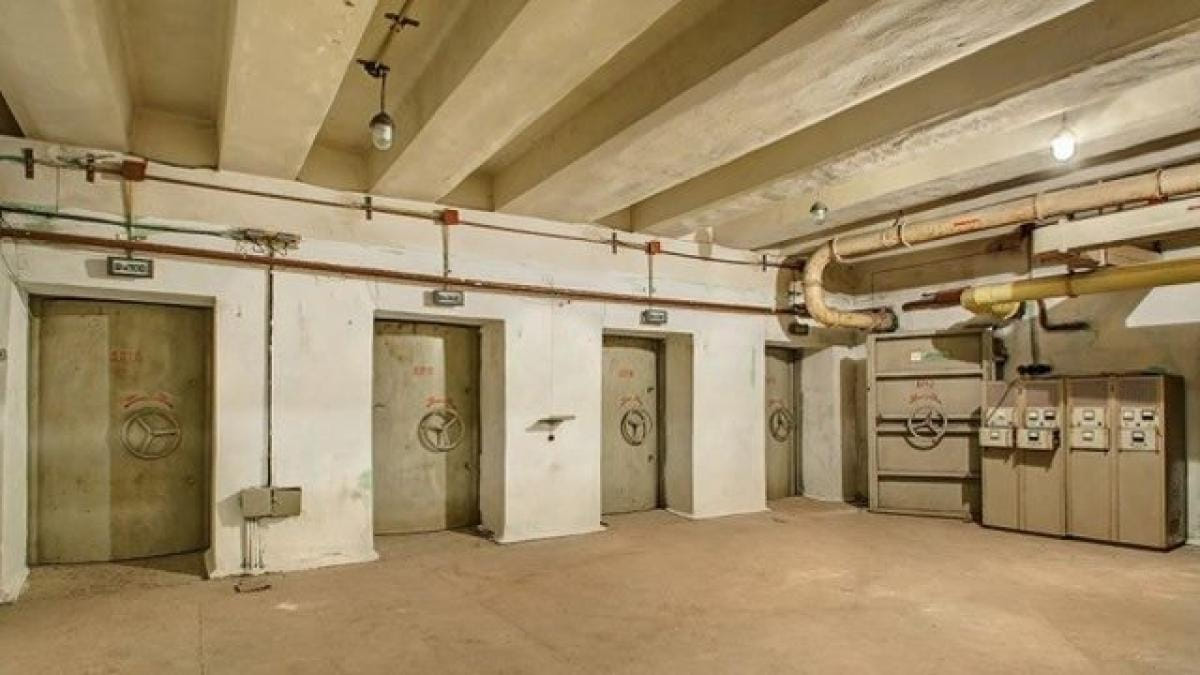
Dual-purpose facilities (DPFs) are structures that serve their primary function in peacetime (e.g., residential or public buildings), but in emergency situations can act as shelters for the population. Their commissioning requires strict compliance with construction, technical, and legal regulations.
What is a DPF: Definition and Legal Framework
According to the Law of Ukraine “On Urban Planning Regulation” and DBN V.1.2-5:2007, a DPF (dual-purpose facility) is a structure that is designed during construction to also function as a civil protection shelter. DPFs must simultaneously comply with:
- construction standards governing their main purpose (e.g., residential building or shopping mall);
- civil protection regulations (requirements for structural integrity, airtightness, ventilation, etc.).
When Is Commissioning of a DPF Required?
Commissioning a DPF is mandatory after construction is completed and all legally required steps have been fulfilled:
- Obtaining the right to carry out construction works.
- Conducting technical inventory.
- Verifying compliance with civil protection requirements.
- Submitting a declaration of readiness for operation or obtaining a certificate for facilities with high consequences classes (CC2, CC3).
Key Requirements for Commissioning a DPF
- Availability of technical documentation confirming the facility’s dual purpose.
- Compliance with DBN B.2.2-5:2023 on radiation, blast, and chemical protection.
- Conclusion on compliance with project documentation and state standards.
- Readiness certificate for utility networks (electricity, drainage, ventilation, etc.).
- Inspection by the State Emergency Service of Ukraine (SES) to confirm suitability as a protective structure.
Design and Commissioning of DPFs in 2024–2025: Key Aspects
Due to martial law and the relevance of civil protection:
- DPF design is mandatory for all new public-use facilities.
- Urban planning authorities may require DPF approval during urban documentation approval stages.
- The State Inspectorate for Architecture and Urban Planning of Ukraine (DIAM) has increased oversight over shelter-equipped buildings.
Commissioning Stages of a DPF: Step-by-Step Guide
- Project documentation review: Ensure design decisions confirm dual-purpose function.
- Approval by SES: Obtain confirmation of compliance with civil protection standards.
- Construction completion and technical inspection: Engineering evaluation of shelter functions and autonomous systems.
- Submission to DIAM: Declaration or application for a certificate of readiness.
- Issuance of a permitting document: After a positive conclusion — receive a certificate or register entry.
Common Mistakes in DPF Commissioning
- Absence of a separate shelter project or non-compliance with its parameters.
- Failure to consult SES during the design stage.
- Insufficient airtightness, lack of filtration and ventilation systems.
- Errors in filing the declaration or missing technical inventory report.
Conclusions
Commissioning a dual-purpose facility is a complex and regulated process requiring:
- Strict adherence to DBNs,
- Coordination with civil protection authorities,
- A complete package of permitting documentation.
Contact the Experts at GlobalBud Ukraine
GlobalBud Ukraine has extensive experience supporting dual-purpose facility projects — from design to commissioning. We provide full engineering and legal support for both individuals and legal entities, including international companies. Contact us if you need to:
- Coordinate your DPF with SES,
- Develop a shelter design,
- Commission a civil protection-enabled facility.