

Preparation of Claims and Drafting an Act of Identified Violations
A claim is an official statement by one of the parties to a contract regarding a breach of cooperation terms, serving as the first step in resolving a dispute, both pre-trial and in court. Drafting such documents requires knowledge of legislative norms and consideration of the specifics of each situation.
When Should a Claim Be Submitted?
A claim is submitted in cases where:
- The counterparty has failed to fulfill their obligations (e.g., delay in work execution, delivery of defective goods, breach of warranty obligations, etc.).
- Defects or non-compliance of goods, services, or performed work have been identified.
- Pre-trial dispute resolution is required before filing a lawsuit in court.
What is an Act of Identified Violations?
An act of identified violations is an official document recording facts of non-fulfillment or improper fulfillment of contractual obligations. Its drafting is key evidence in disputes with counterparties and may also be used in court.
Main Stages of Preparing a Claim and an Act of Identified Violations:
1. Contract and Documentation Analysis
Before drafting a claim, it is necessary to carefully analyze the contract and accompanying documents (acceptance certificates, invoices, warranty documents, etc.). Special attention should be paid to sections regarding parties’ liabilities, deadlines, and penalties for contract violations.
2. Violation Documentation
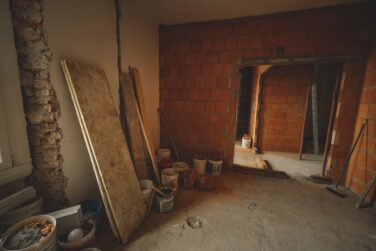
If the violation concerns construction or engineering work, it must be properly documented, including:
- Photo and video documentation of defects.
- Invitation of an independent expert to assess violations.
- Drafting an act with the participation of both parties’ representatives.
3. Drafting the Act of Identified Violations
Structure of the Act:
- Date and place of drafting.
- Details of the parties (company names, contact persons).
- Description of identified violations (contract breach, quality non-compliance of work or goods, etc.).
- References to contractual provisions and regulatory acts (e.g., DBN V.1.2-14:2018 on construction supervision).
- Signatures of the parties (if possible).
4. Preparation and Submission of a Claim
A claim must include:
- Recipient and sender details.
- Description of the violation with references to contract terms and legal norms.
- Requirements for rectification, compensation, or other actions.
- Response and compliance deadlines (as per contract or law).
- Attachments (copies of the contract, acts, photo documentation, expert conclusions, etc.).
The claim is sent officially – by registered mail with acknowledgment of receipt or via electronic document exchange with a qualified electronic signature (QES).
5. Further Actions
If the counterparty does not respond or refuses to comply, the next step is filing a lawsuit or mediation. Legal assistance in drafting claims and acts Claims and acts of identified violations are crucial evidence in court disputes. Improper documentation can result in claim rejection or legal complications.
Specialists at GlobalBud Ukraine will help:
- Analyze the situation and prepare a legally valid claim.
- Draft an act of identified violations in accordance with the law.
- Negotiate with the counterparty for pre-trial dispute resolution.
- Represent your interests in court.
Contact us for quality legal support and protection of your rights!