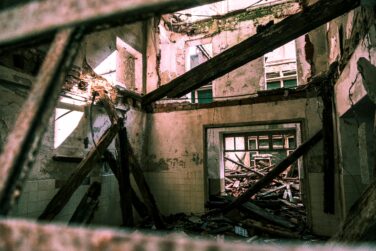


Engineering Audit of a Building or Structure
What is an engineering audit of a building?
Engineering audit of a building is a comprehensive technical inspection of a real estate object aimed at assessing its actual technical condition, compliance with building regulations, operational safety, and the possibility of further reconstruction or use.
This audit is often requested:
-
before purchasing or selling a property;
-
when transferring a building for lease/sublease;
-
before starting reconstruction or changing its functional purpose;
-
to confirm the condition of an object in legal disputes;
-
for buildings that have been in operation for over 20 years.
Main goals of an engineering audit:
-
Assessment of the technical condition of structures (foundation, walls, floors, roof);
-
Inspection of engineering systems: electricity, water supply, sewage, ventilation;
-
Detection of hidden defects or potential hazards;
-
Analysis of compliance with regulatory requirements (including DBN and the Law of Ukraine “On Regulation of Urban Development”);
-
Formation of recommendations for repairs, modernization, or reconstruction.
Stages of conducting an engineering audit
1. Preliminary review of documentation
Verification of the availability and relevance of the technical passport, permits, BTI plans, design and as-built documentation.
2. On-site inspection by specialists
Visual and instrumental inspection with recording cracks, deformations, corrosion, moisture traces, etc.
3. Inspection of engineering systems
Checking electrical, water supply, sewage, ventilation and heating systems for functionality and regulatory compliance.
4. Laboratory tests (if necessary)
Analysis of material strength, concrete condition, insulation quality, moisture indicators.
5. Regulatory compliance analysis
Comparison of the actual condition with DBN V.1.2-14:2018, DBN A.3.1-5:2016 and other standards.
6. Report preparation
The client receives a detailed technical report describing the current condition of the building, detected defects, and recommended measures.
What documents are needed?
For a proper audit, it is advisable to provide:
-
technical passport of the object;
-
ownership documents;
-
design documentation;
-
documents on commissioning;
-
engineering network plans (if available).
Who is authorized to conduct an engineering audit?
According to legislation, the audit may only be conducted by certified consulting engineers or organizations holding the necessary licenses and permits for high-risk works.
GlobalBud Ukraine has all required permits and extensive experience in technical inspections of buildings of any complexity — from private houses to industrial facilities.
Typical mistakes without an engineering audit:
-
Purchasing a property with hidden cracks in the foundation or slabs.
-
Investing in reconstruction of a building that cannot be modernized.
-
Failure to comply with fire or sanitary standards.
-
Legal disputes due to poor technical condition.
Advantages of an engineering audit with GlobalBud Ukraine
-
Comprehensive approach: structural, engineering and legal analysis;
-
In-house team of engineers and lawyers;
-
Professional report accepted by courts and state bodies;
-
Possibility of further support (reconstruction, legalization, change of purpose);
-
Experience working with businesses, developers and international clients.
Contact us
Planning to purchase or reconstruct a building? Don’t risk your investment. Contact GlobalBud Ukraine — our engineers and lawyers will perform a full engineering audit, prepare a professional report and provide ongoing support. We work turn-key with private clients, businesses and international companies.
Need an initial consultation?