

Inclusiveness of public buildings
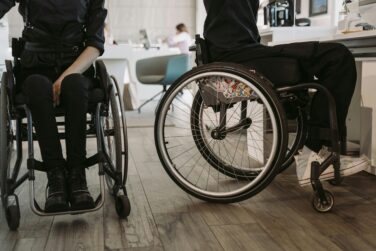
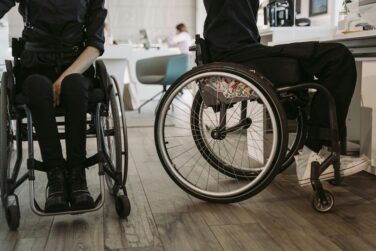
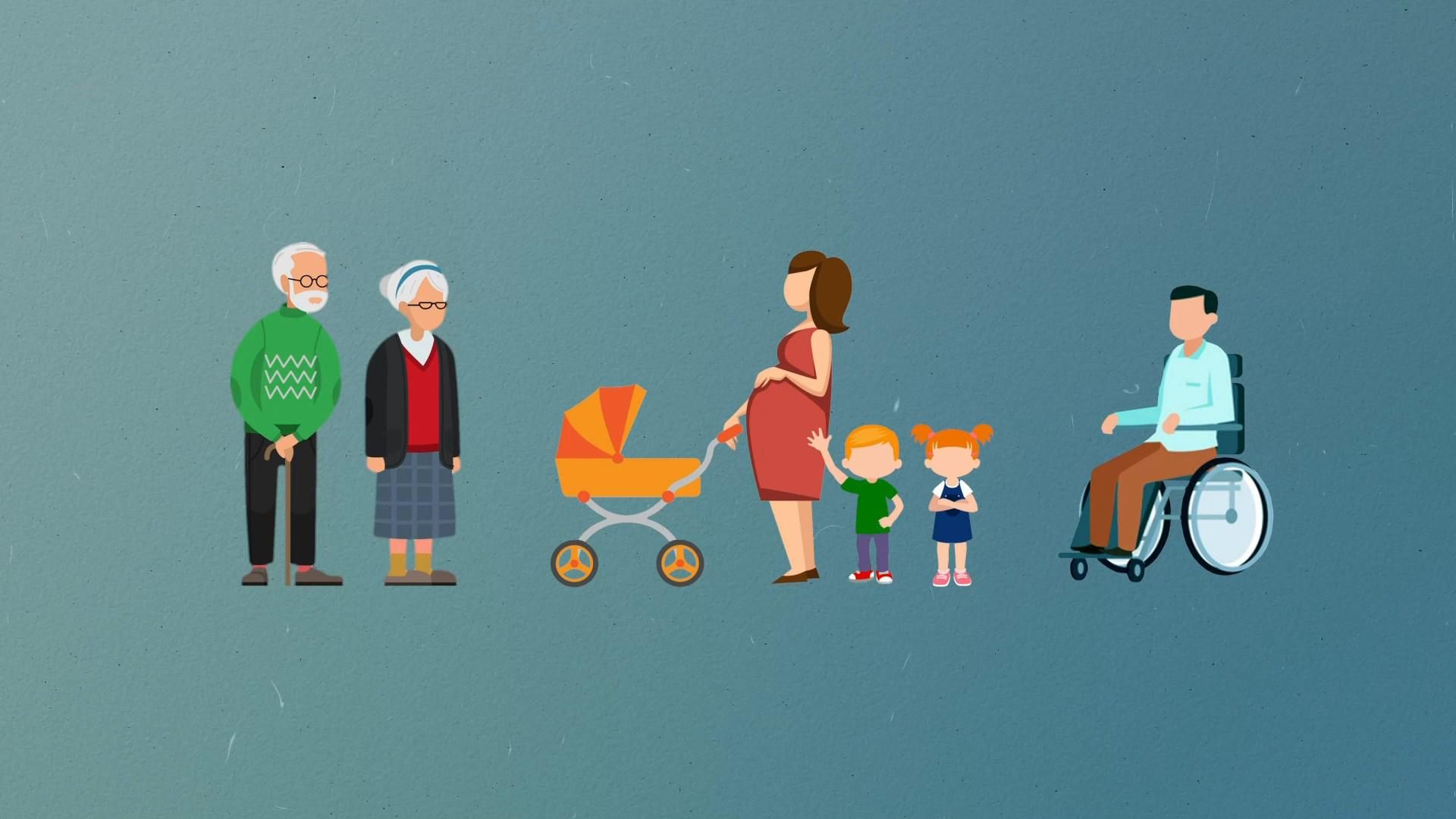
The inclusiveness of public buildings is a key aspect of modern construction that ensures comfort and accessibility for all categories of the population, including people with disabilities, people with limited mobility, the elderly, children and parents with strollers. Implementing the principles of inclusiveness is not only a social necessity but also a legal requirement in Ukraine.
Key legislative norms and standards
In Ukraine, inclusiveness is regulated by a number of legal acts, including:
- State Construction Norms (SCN):
DBN B.2.2-40:2018 “Inclusiveness of Buildings and Structures” is the main document that sets requirements for the design of buildings and structures accessible to persons with disabilities and other low-mobility groups.
DBN B.2.3-5:2018 “Streets and Roads of Settlements” – contains requirements for the accessibility of public space, including sidewalks, public transport stops and pedestrian crossings. - The Law of Ukraine “On the Fundamentals of Social Protection of Persons with Disabilities in Ukraine” provides for mandatory consideration of the needs of persons with disabilities in the design, construction and reconstruction of facilities.
- The UN Convention on the Rights of Persons with Disabilities, which Ukraine has ratified, is an international obligation to ensure equal access to infrastructure.
Key elements of inclusiveness
- Ramps and elevators: Ramps with a slope of no more than 1:12 and elevators with a door width of at least 90 cm are provided to ensure ease of movement.
- Wide doorways and corridors: The minimum width of doors for unobstructed passage is 90 cm, and corridors are at least 1.5 m.
- Tactile elements: Tactile strips for the visually impaired are installed on stairs, floors and passages.
- Spatial orientation: Information signs, tables and other navigation elements should be written in large print, with duplication in Braille.
- Restrooms: All public buildings must have accessible bathrooms with maneuvering space and grab bars.
Liability for non-compliance
Failure to comply with inclusivity standards may result in fines or a ban on the operation of the building. At the same time, ensuring inclusivity helps to increase attendance and improve the reputation of the facility.
Benefits of cooperation with GlobalBud Ukraine
GlobalBud Ukraine provides professional services for the design and examination of buildings for compliance with inclusivity standards. Our engineers and lawyers will provide:
- An integrated approach to project implementation;
- Taking into account the current DBN and legislation;
- Development of customized solutions for your needs.
For consultation and ordering services, please contact GlobalBud Ukraine – your reliable partner in engineering and legal matters