


Building Damage After Flooding: How to Assess Damages and Save the Structure
Flooding is one of the most destructive events that can happen to a building. Water penetrates concrete pores, erodes soil, causes rebar corrosion, and destroys the foundation from within. But most dangerously, the consequences of flooding often become apparent only months or even years after the event. Damage to a building after flooding is not just wet walls and spoiled finishes. It is a systemic threat that can lead to the loss of structural load-bearing capacity, mold formation, and even collapse. Understanding exactly what needs to be checked and conducting a timely inspection is a matter of safety for your building and the health of the people inside.
How Flooding Affects a Building
Water entering a building’s structures triggers a chain of destructive processes that often go unnoticed in the initial stage:
- Wetting and destruction of concrete — water penetrates concrete pores, leaches lime, and reduces material strength. When freezing, water expands, destroying the concrete structure from within.
- Rebar corrosion — moisture reaching metal elements causes rust, which increases in volume and ruptures the concrete. If the foundation is not protected from external moisture, water eventually penetrates inside the foundation structure, destroying rebar and concrete.
- Destruction of waterproofing — prolonged contact with water leads to damage to the waterproofing layer, opening access for moisture to the structures.
- Soil saturation — water-logged soil loses load-bearing capacity, which can lead to uneven foundation settlement. After a rainy season with poor drainage, cracks often appear in the foundation, potentially leading to costly damage to the entire building.
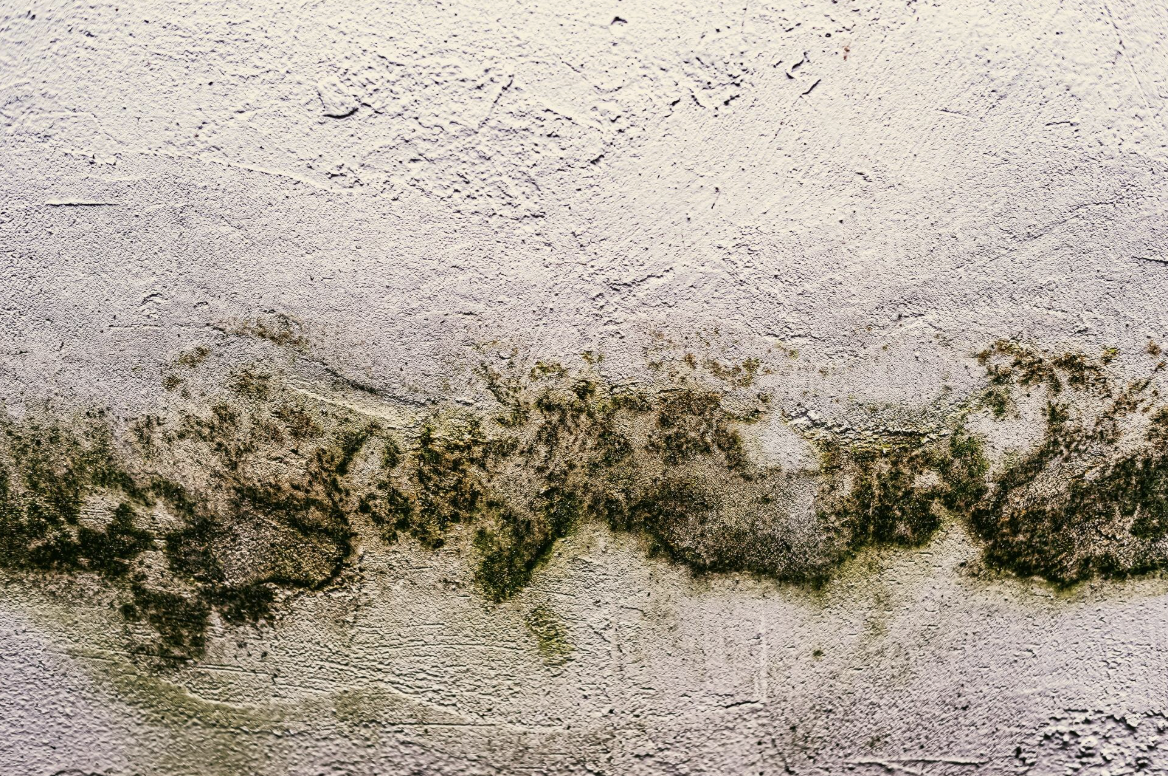
- Formation of mold and mildew — a damp environment is ideal for the development of microorganisms, which poses a health threat to occupants.
- Damage to engineering systems — water damages electrical wiring, pipes, and equipment.
Technical inspection of buildings and structures is mandatory after any flooding to assess the real state of the structures.
How to Assess Damages After Flooding: Inspection Stages
Assessing damages after flooding is a comprehensive procedure conducted in accordance with current regulatory documents. Specialists perform the following:
1. Preliminary analysis
- Documentation collection and analysis: study of project, as-built, and technical documentation for the object.
- Determination of the scope, methods, and tools for inspection.
- Recording of visible damage: wet spots, plaster delamination, cracks.
2. Visual structural inspection
- Wall inspection: detection of cracks, deformations, delamination, moisture traces, rebar corrosion, and other defects.
- Foundation inspection: assessment of the condition of exposed foundation parts, presence of cracks, settlement, shifts, corrosion, and other damage.
- Inspection of floor slabs, roofing, and basement areas.
3. Instrumental inspection
- Geodetic measurements: determination of vertical and horizontal structural deformations.
- Non-destructive testing methods: use of ultrasonic, radar, and other methods to assess material conditions without damaging them.
- Measurement of material moisture — determination of moisture levels in concrete, brick, and wood.
- Laboratory research: sampling of materials to determine their physical-mechanical characteristics.
4. Analysis and assessment of technical condition
- Classification of technical condition: according to national standards, objects are classified by categories (from operational to emergency).
- Determination of residual load-bearing capacity of structures.
- Development of recommendations for repair, reinforcement, or demolition.
Comprehensive building inspection allows identifying all hidden defects, assessing risks, and developing an effective restoration plan.
What to Do After Flooding: Action Algorithm
If your building has been flooded, it is important to act systematically and without delay:
- Ensure safety — make sure there is no threat of electric shock in the building. If necessary, de-energize the premises.
- Pump out water — use pumps to drain water from basement areas and other flooded zones.
- Dry out the structure — ensure intensive ventilation to remove moisture from structures.
- Document the damage — photograph all visible defects and draw up a flooding report.
- Order a technical inspection — specialists will assess the real state of structures, determine the degree of damage, and develop a restoration plan.
Technical inspection is carried out in case of damage caused by flooding. Based on the inspection results, a technical report is drawn up — a document reflecting the assessment of the real estate object’s condition at the time of inspection.
Building Restoration Methods After Flooding
The choice of restoration method depends on the degree of structural damage:
- structural drying — using heat guns, industrial dehumidifiers, ensuring natural ventilation;
- antiseptic treatment — application of special compounds to prevent mold and mildew;
- plaster and finish repair — removal of damaged layers, application of new ones;
- waterproofing restoration — applying waterproofing materials to basement walls and floors;
- foundation reinforcement — in cases where flooding has caused deformations or loss of load-bearing capacity;
- replacement of damaged engineering systems — replacement of corroded pipes, damaged electrical wiring.
Eliminating the consequences of flooding may require excavating the foundation, removing old waterproofing, conducting repairs, and applying new layers.
Flooding Prevention and Building Water Protection
It is much easier to prevent flooding than to spend money on eliminating its consequences:
- Regularly check the state of gutter systems and aprons.
- Monitor the state of the drainage system, clean it in a timely manner.
- Keep track of foundation and basement waterproofing conditions.
- Conduct periodic technical inspections of the building to identify potential risks.
Frequently Asked Questions
Is a technical inspection mandatory after flooding?
Yes. Even if visual damage seems insignificant, water could have penetrated the structures and caused hidden defects. Technical inspection allows identifying the real state of structures and assessing risks.
What documents confirm building damage after flooding?
The main document is the technical report prepared based on inspection results. Also necessary: ownership documents for the property, technical passport of the real estate, and a flooding report.