

Old Roof and Solar Panels: Can They Be Installed Without Risk?
The energy crisis and constant power outages are forcing Ukrainians to seek paths to energy independence. Installing your own solar power plant (SPP) on the roof of a private house or commercial enterprise in Kyiv, the Kyiv region, and across Ukraine has become not just a trend, but a vital necessity. However, when it comes to installation, a serious engineering dilemma arises: most private houses in Ukraine were built 20, 30, or even 50 years ago. Their roofs were designed for completely different realities. Is it possible to install modern solar panels on an old roof without the risk of collapse? Experts at GlobalBud Ukraine give a clear answer: yes, but only after a detailed instrumental inspection of the truss system.
What Dangers Does an Old Roof Hide During SPP Installation
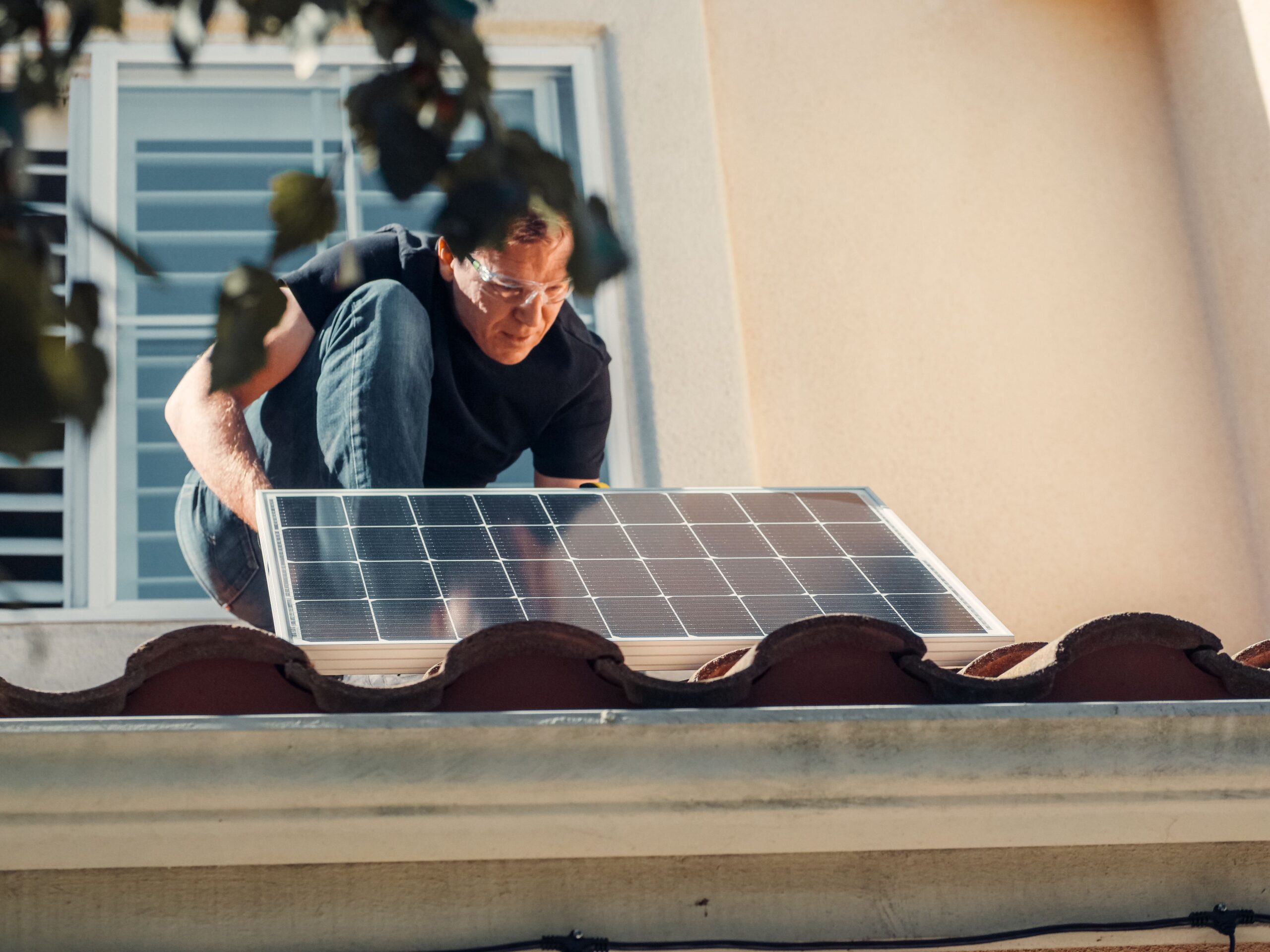
An old roof is always a pig in a poke. Even if visually slate, old metal tiles, or roofing felt look intact, the main threat hides inside. Solar panels create a significant additional load. One square meter of PV modules together with the mounting system weighs about 15–20 kg. But this is just static weight. When installing panels at an angle, a so-called “sailing effect” (aerodynamic lift) occurs, and in winter, “snow bags” form under and between the panels. In total, this can add over 100-150 kg of load per square meter of roofing during inclement weather. The main risks of installing an SPP on an unverified old roof:
- Rot and biological damage to wood. Old rafters and wall plates (mauerlats) are often affected by fungus or insect pests. Their load-bearing capacity can be reduced by 40-60%.
- Fatigue deformation of materials. Old asbestos-cement slate becomes extremely brittle. During panel installation, installers will inevitably walk on it, which will lead to microcracks and, consequently, large-scale leaks in the autumn.
- Non-compliance of beam cross-sections. Soviet or old summer houses were often built from materials that “could be obtained,” without adherence to building codes (DBN). Thin rafters simply will not support the weight of a modern 10-15 kW power plant.
How GBU Experts Check Old Roofs Before Installation
To avoid disaster, before purchasing equipment, it is necessary to order technical inspection services. You can get acquainted with the list of our engineering services in detail on the page. Our expertise on an old roof goes through several stages:
- Instrumental wood diagnostics. Using moisture meters and ultrasonic flaw detectors, we check the condition of rafter legs, uprights, braces, and the mauerlat (roof base).
- Thermal imaging control. Detection of hidden moisture accumulation zones under roofing material that destroy the structure from the inside.
- Load collection and CAD calculation. Engineers create a 3D model of your roof and simulate wind and snow loads, taking into account Ukraine’s climatic zone.
Based on the inspection results, we issue an official technical report. If the roof is too weak, we do not just state the fact, but develop a detailed project for structural reinforcement with metal ties or additional wooden purlins.
Frequently Asked Questions (FAQ)
Is it possible to put solar panels on an old slate roof?
Technically it is possible, but slate is very brittle and contains dangerous asbestos. During the installation of fasteners, slate often cracks. We strongly recommend replacing the slate covering with modern corrugated metal or metal tiles before installing the panels, while simultaneously reinforcing the truss system.
What to do if the expertise shows that the roof will not withstand the panels?
You will not have to completely disassemble the house. Our engineers will develop a project for local reinforcement. Usually, it is enough to install additional support posts, braces, or replace part of the lathing, which will cost significantly less than repairing the roof after it collapses.
How much time does it take to inspect a roof for an SPP?
An engineer’s site visit and instrumental measurements take from 2 to 4 hours. Desktop data processing, mathematical reliability calculations, and issuance of an official technical report take an average of 3-5 business days.