

How to put a gas station into operation
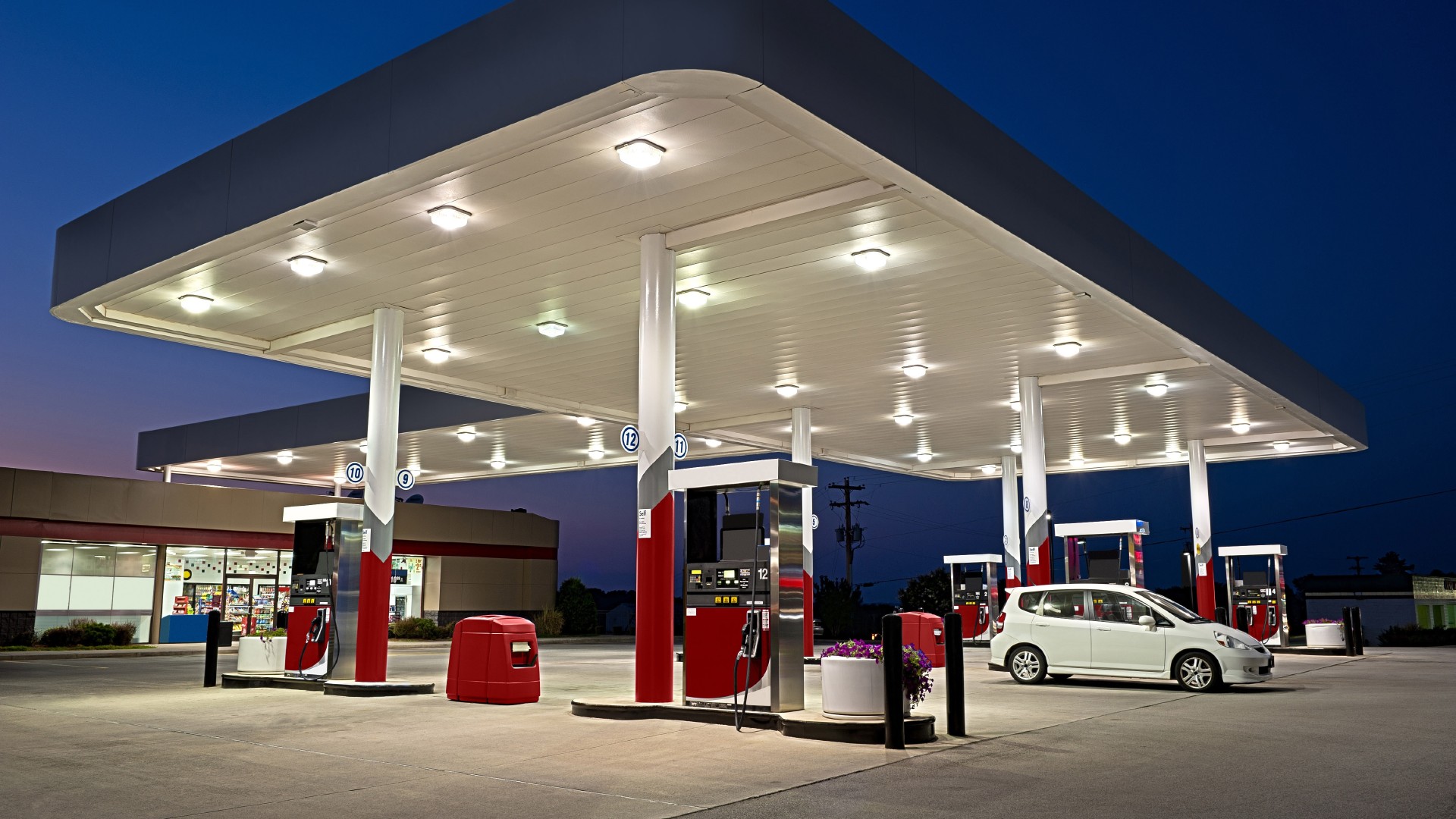
Commissioning a gas station in Ukraine is a complex process that involves many steps, as it is a high-risk facility and requires compliance with many regulations.
The main stages of commissioning a gas station
1. Obtaining permits for the construction of a gas station
Before starting the construction of a gas station, it is necessary to obtain the appropriate design and construction permits.
The main documents:
- Land plot – must be designated for commercial activities or specifically for a gas station.
- Urban planning conditions and restrictions – issued by local authorities after the site is assessed.
- Construction permit – issued by the State Inspectorate of Architecture and Urban Planning (SIAP) after approval of the project documentation.
2. Designing a gas station
A gas station project is developed by a specialized organization in compliance with fire, environmental and industrial safety requirements. The project includes:
- Planning of the territory and engineering systems.
- Designs of underground and above-ground fuel tanks.
- Environmental aspects (protection against soil, air, and water pollution).
- Fire safety (fire extinguishing systems, distances between objects, etc.).
3. Obtaining a permit from the SACI to start construction
After the project is approved and all permits are obtained, it is necessary to apply to the SACI for a construction permit.
Documents:
- Approved project documentation.
- Documents for the land plot.
- Permission from environmental services.
- Approval from the State Labor Service for labor protection at the gas station.
4. Construction of a gas station
After obtaining the permit, you can start construction in accordance with all requirements and standards. During the construction, safety and environmental standards must be observed.
5. Inspections and checks
After the construction is completed, the filling station must pass a number of inspections from various organizations, including
- Environmental inspection – from the State Environmental Inspectorate.
- Fire inspection – to check fire safety at the station.
- Labor Inspection – to check compliance with labor safety requirements.
6. Obtaining a certificate of readiness from the SNRIU
Upon completion of all construction works, it is necessary to apply to the SNRIU for a certificate of readiness for operation. To do this, you need to submit the following documents:
- Certificate of readiness of the facility for operation.
- Construction permits.
- Results of inspections and tests.
7. Obtaining licenses for the operation of a gas station
To start operating a gas station, you need to obtain a number of licenses:
- License to sell petroleum products – issued by the State Tax Service.
- Fuel storage license – issued by the state fuel control authorities.
- Approval from local authorities and the fire service regarding the safety of the facility.
8. Registration of ownership
After commissioning, it is necessary to register the ownership of the real estate in the State Register of Real Property Rights.
9. Opening a gas station and starting operations
After obtaining all the necessary permits and licenses, the filling station can start its commercial activities.
Basic documents for putting the filling station into operation:
- Construction permit from the State Architectural and Construction Inspection of Ukraine.
- Project documentation.
- Certificate of readiness of the facility for operation.
- Certificate of readiness from the State Inspection of Ukraine on Automobile and Motor Vehicles.
- Licenses for the sale and storage of fuel.
Important points:
- Environmental requirements. The gas station must comply with all environmental standards, in particular, those related to soil, water and air protection.
- Fire safety. Since a gas station is an object of increased fire hazard, it is subject to strict requirements for fire protection systems.
The procedure for putting a gas station into operation is complex, so it is important to comply with all legal requirements and get support from professional lawyers or companies specializing in the legalization of such facilities.