

Technical Audit of Damaged Property
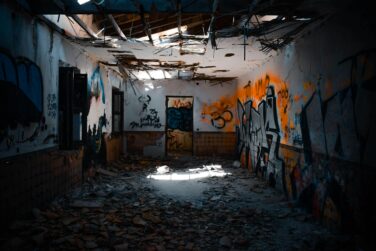
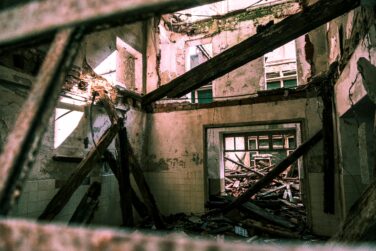
A technical audit of damaged property is a set of engineering measures aimed at assessing the technical condition of a building or structure after mechanical, industrial/technogenic, or wartime damage. The main purpose is to determine the extent of destruction, evaluate the load-bearing capacity of structures, and establish whether further use is possible or whether major repairs or reconstruction are required.
Given today’s challenges in Ukraine, a technical inspection of damaged real estate is critically important for:
-
obtaining compensation for damages;
-
preparing a recovery/restoration project;
-
carrying out reconstruction or demolition;
-
updating technical documentation;
-
legalizing restoration works.
Regulatory Framework
A technical audit is governed by the effective laws and regulations of Ukraine, including:
-
the Law of Ukraine “On Regulation of Urban Planning Activities”;
-
the Law of Ukraine “On Architectural Activity”;
-
State Building Codes (DBN);
-
sector-specific standards for inspection and assessment of the technical condition of buildings and structures.
Under Ukrainian law, the inspection must be performed by a certified engineer with the appropriate qualifications. The result is a technical report (conclusion) that has legal force and may be used with public authorities, in court proceedings, and for compensation claims.
When is a technical audit of a damaged building needed?
A technical audit of real estate is carried out in the following cases:
-
Damage caused by hostilities, explosions, or fire.
-
Deformation of foundations or load-bearing structures.
-
Soil settlement or an emergency/unsafe condition of the building.
-
Before reconstruction or major repairs.
-
To participate in governmental or international compensation programs.
A technical inspection is especially relevant for commercial real estate, apartment buildings, and industrial and warehouse facilities.
Stages of a technical audit
1. Preparatory stage
-
Review of title/ownership documents.
-
Study of technical documentation (design documents, technical passport).
-
Forming the scope of work / inspection assignment.
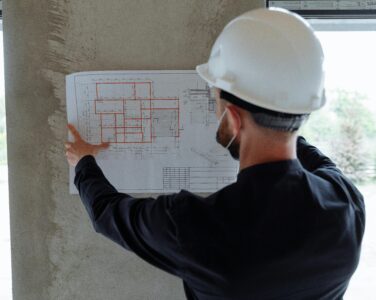
2. Engineering inspection of the site
-
Visual recording of damage.
-
Instrumental measurements.
-
Assessment of foundations, floor slabs, columns, and walls.
-
Photo and video documentation of defects.
3. Engineering/calculation analysis
-
Verification of the load-bearing capacity of structural elements.
-
Analysis of the feasibility of further operation/use.
-
Determination of the technical condition category.
4. Preparation of the technical report
The report includes:
-
a description of the damage;
-
the technical condition of the facility;
-
recommendations for restoration or demolition;
-
a conclusion regarding safe operation.
What does the technical conclusion include?
A technical conclusion is an official document that includes:
-
general characteristics of the facility;
-
inspection results;
-
a defect list/defect register;
-
photographic materials;
-
engineering calculations;
-
expert recommendations.
This document is used for:
-
submitting a compensation claim;
-
approving reconstruction works;
-
preparing design documentation;
-
court disputes.
Common mistakes owners make without an audit
-
Assessing the level of damage independently without involving an engineer.
-
Carrying out repair works without a technical conclusion.
-
Ignoring hidden structural defects.
-
Lack of proper photo documentation for damage compensation.
These mistakes can lead to refusal of compensation payments or to emergency situations in the future.
Technical audit and turnkey property restoration
After a technical audit, the next step often includes:
-
development of a reconstruction project;
-
expert review of the design (project expertise);
-
obtaining permits/authorizations;
-
architectural and technical supervision;
-
commissioning of the facility.
We also recommend reviewing the following services:
-
Technical condition inspection of buildings
-
Design documentation development
-
Obtaining a permit for construction works
-
Commissioning of the facility
A comprehensive approach helps minimize risks and shorten the timeline for restoring the facility.
Case example
A warehouse owner approached GlobalBud Ukraine after partial destruction of the roof and walls. During the technical audit, it was established that the load-bearing steel trusses had lost part of their load-bearing capacity, while the foundation remained in satisfactory condition.
Thanks to the performed engineering calculations, it was possible to avoid full demolition of the structure and to develop a reconstruction design with structural strengthening, which saved more than 30% of the restoration budget.
Conclusions
A technical audit of damaged property is not a formality—it is a key step for safe and legal restoration. A professional inspection makes it possible to:
-
assess the actual technical condition;
-
obtain a legally valid conclusion;
-
minimize financial risks;
-
create a basis for reconstruction or compensation.
Contact GlobalBud Ukraine experts
GlobalBud Ukraine provides turnkey technical audit services for damaged property—from on-site inspection to support of restoration works and commissioning of the facility.
Our team includes certified engineers and lawyers with many years of experience in construction and urban development. We work with individuals and businesses, including Ukrainian and international companies.
Contact us to receive a professional technical conclusion and a reliable partner for restoring your property.