

Instrumental Inspection of Building Structures
Instrumental inspection of building structures is a set of technical examinations performed using specialized equipment to determine the actual technical condition of the building elements. This approach provides objective data on material condition, load-bearing capacity, and the degree of wear — which is critically important during reconstruction, major repairs, post-damage restoration, or operational diagnostics.
When is an instrumental inspection required?
Structural inspection using instruments and equipment is performed in the following cases:
-
Before reconstruction, extension, or change of functional purpose of the facility;
-
As part of a technical inspection of an emergency or old building;
-
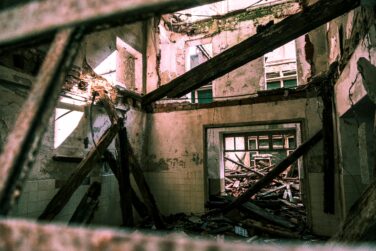
After structural damage caused by emergencies (shelling, fires, collapses);
-
To assess the remaining load-bearing capacity of buildings and structures;
-
When preparing design documentation or performing a condition assessment;
-
During inspection prior to the purchase or lease of commercial property.
What is examined during instrumental inspection?
-
Reinforced concrete structures (slabs, beams, columns)
-
Steel structures (trusses, girders, floor systems)
-
Masonry walls (brick, blocks)
-
Timber floors and roof elements
-
Foundations (visible signs of settlement, cracks)
-
Connections and joints of structural elements
Would you like to know the service cost
for your specific case?
Call our consultant
Instrumental Inspection Methods
-
Measurement of geometric parameters
— checking deviations from design dimensions, deformations, curvature. -
Non-destructive testing
-
Ultrasonic testing (assessment of concrete homogeneity, detection of voids);
-
Schmidt hammer test (determining concrete strength by rebound);
-
Rebar locator (determining diameter and position of reinforcement);
-
Crack monitors (tracking damage progression over time);
-
Moisture meters, thermography (identifying areas of high moisture and heat loss).
-
-
Sampling of material cores
— for laboratory analysis of concrete, mortar, and metal properties. -
Corrosion analysis of metal components
— visual and instrumental assessment of remaining cross-section thickness. -
Ground-penetrating radar (GPR) scanning
— identifying thickness, voids, and structural anomalies.
Stages of Instrumental Inspection
-
Site inspection and data collection
Analysis of technical documents, drawings, and structure passports (if available). -
Development of the inspection program
Defining methods, scope, and list of elements to be examined. -
Performing measurements and tests
Conducted by certified engineers with inspection clearance. -
Analysis of results
Data processing, load-bearing capacity calculations, compliance with standards. -
Preparation of the technical report
Including diagrams, photos, result tables, and conclusions.
Inspection Results
-
Objective assessment of the technical condition of structures
-
Calculation of remaining service life
-
Determination of repair or strengthening needs
-
Basis for engineering and management decisions
-
A technical report that can be used in government agencies, insurance companies, courts
Why Choose GlobalBud Ukraine?
GlobalBud Ukraine has its own technical base and a team of experienced engineers who perform instrumental inspections of structures from residential buildings to industrial facilities. We provide:
-
State-of-the-art measuring equipment (GE, Proceq, Hilti, Bosch)
-
Comprehensive technical and legal expertise
-
Fast and accurate results
-
Preparation of documents for further design, reconstruction, or legal proceedings
Contact GlobalBud Ukraine
Planning reconstruction, suspect structural problems, or received a prescription to perform an inspection?
Order an instrumental inspection from certified GlobalBud Ukraine specialists.
We guarantee accuracy, completeness of research, and legally valid results. We operate throughout Ukraine and work with objects of any complexity.